

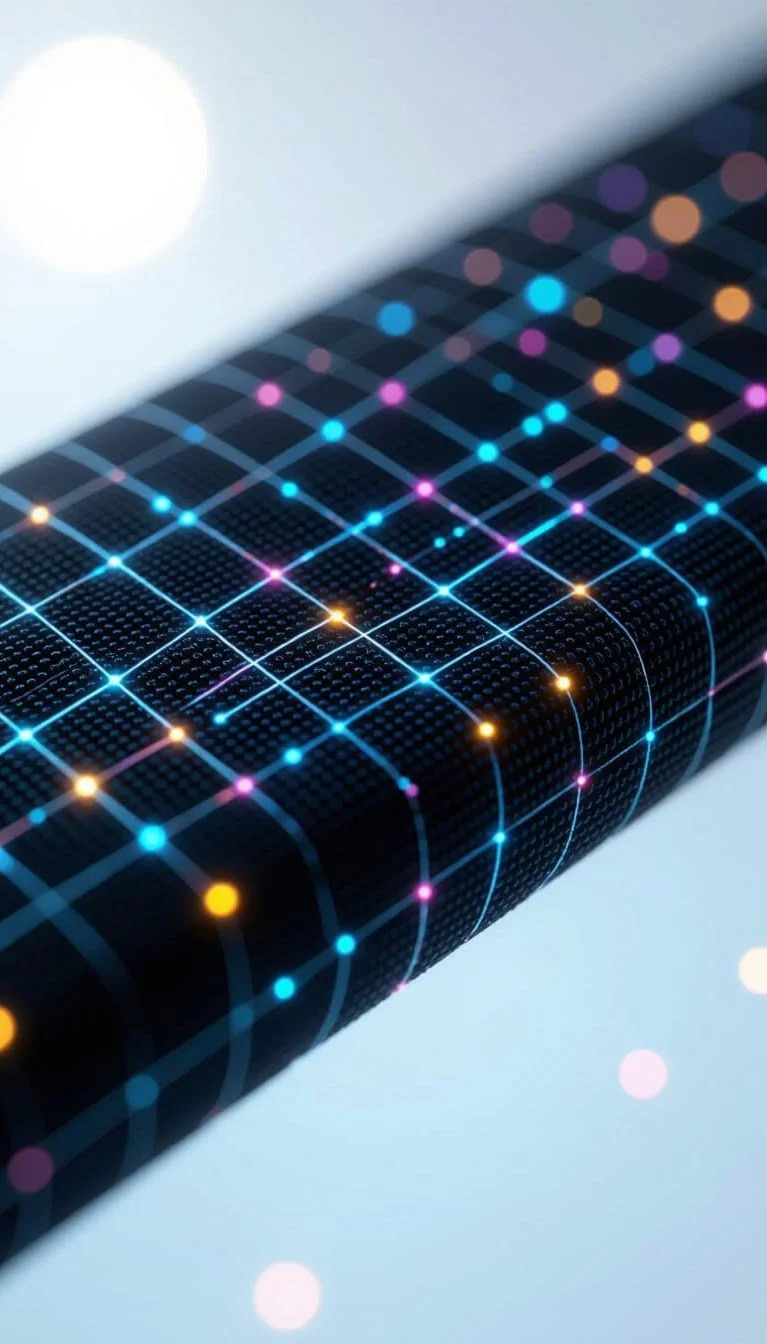
Smart Fabrics – Weaving the Future, One Thread at a Time
For centuries, fabrics have been woven to provide warmth, comfort, and protection. Today, a revolution is underway as textiles are being infused with advanced functionalities to create smart fabrics. These are not simply garments with attached gadgets; they are materials with embedded sensors, conductive pathways, and interactive properties woven directly into the fibers. This new class of materials can sense and respond to stimuli from the environment or the wearer. Applications are incredibly diverse, from shirts that track heart rate and respiration for athletes and patients, to uniforms that change color or communicate for safety in industrial settings, and even to interactive textiles for consumer electronics and gaming. This seamless integration of technology into the very fibers we wear promises to enhance our lives in ways once thought impossible.

PFOS in Firefighting Foam – The Legacy of a "Forever Chemical"
For decades, Perfluorooctane Sulfonate (PFOS) was a key ingredient in aqueous film-forming foams (AFFF), a class of firefighting agents used to extinguish high-energy liquid fuel fires. The incredible effectiveness of these foams stemmed from their ability to spread rapidly and form a vapor-sealing film over a fire, suffocating the flames. This life-saving technology was widely adopted by militaries, airports, and industrial facilities. The remarkable performance of AFFF, largely attributed to the low surface tension provided by the PFOS, made it the go-to solution for critical fire suppression, saving countless lives and protecting vital infrastructure from devastating blazes.

Self-Assembling Nanomaterials – Building for the Future, One Molecule at a Time
For centuries, manufacturing has been a "top-down" process, shaping and cutting materials into desired forms. Self-assembling nanomaterials represent a revolutionary shift to a "bottom-up" approach. These are tiny molecular components designed with specific properties that allow them to spontaneously organize into larger, complex, and highly ordered structures. This phenomenon, inspired by biological systems like DNA and proteins, enables scientists to program materials at the molecular level, creating intricate patterns and functional devices without external manipulation. The precision offered by this approach is unparalleled, promising to revolutionize fields such as medicine (for smart drug delivery and tissue engineering), electronics (for next-generation circuits), and advanced optics (for new types of lenses and sensors).