Step One: How Do You Assess a Contaminated Site?
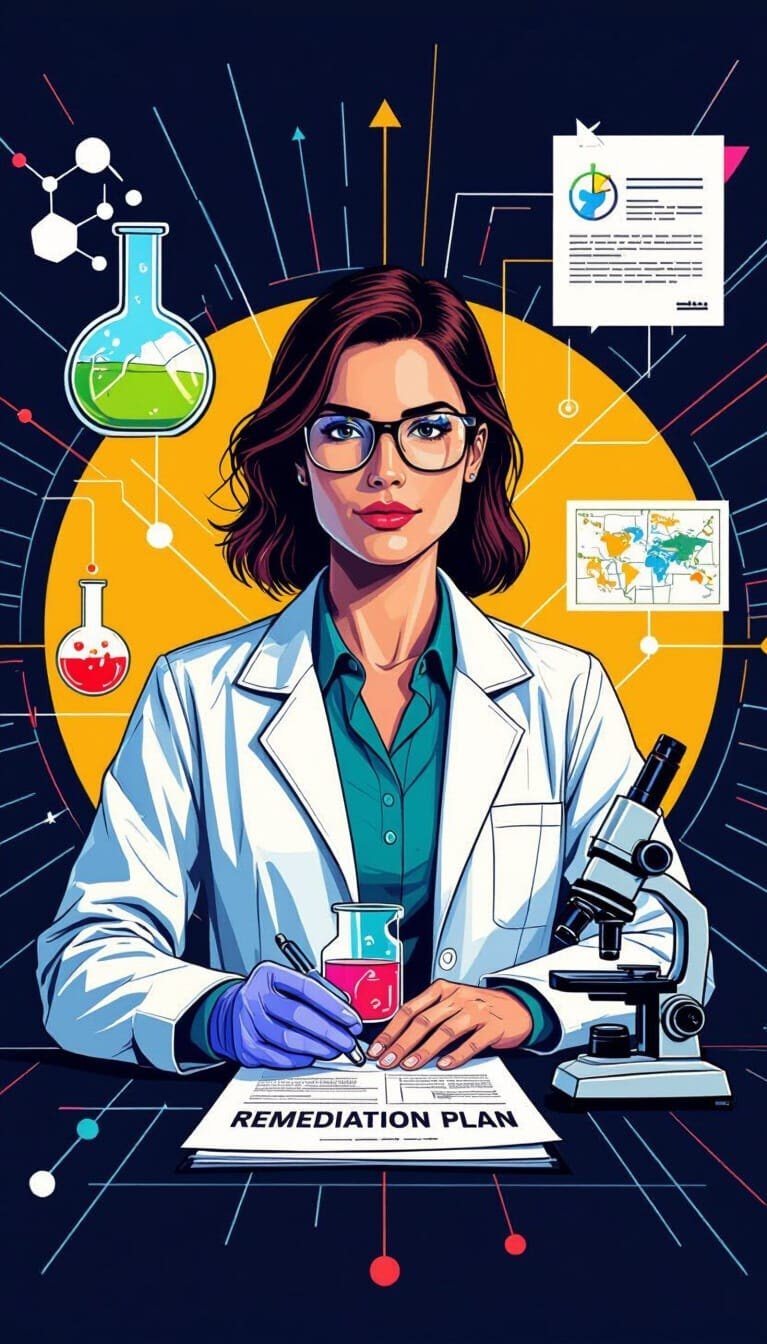
Before a single microbe is cultured or a single seed is planted, every successful bioremediation project begins with a crucial first step: Site Assessment. This is the detective work—the process of understanding the "crime scene" of the contamination. Rushing this phase is the surest way to guarantee failure, while a thorough assessment paves the way for a successful cleanup. (08/22/2025)
The "What": Identifying the Culprit
The first question is always, "What are we dealing with?" Scientists take meticulous samples of soil, water, and sometimes air. These samples are sent to a lab for chemical characterization. The goal is to identify the specific pollutants and, just as importantly, their concentration. Is it a petroleum spill rich in PAHs (polycyclic aromatic hydrocarbons)? Is it a plume of chlorinated solvents like TCE (trichloroethylene)? Is the soil contaminated with heavy metals like lead? The answer determines which bioremediation tools are even possible.
The "Where": Mapping the Crime Scene
Next, investigators map the extent of the contamination. It’s not enough to know a site is polluted; you have to know how deep and how wide the problem is. This involves extensive sampling at various depths and locations to create a 3D map of the contaminant plume. They also study the site hydrogeology—how groundwater flows through the area. This is critical because water is the primary vehicle that spreads contaminants, and it's also the delivery system for any nutrients or microbes you might add later.
The "Who": Surveying the Native Microbial Community
Finally, a crucial step for bioremediation is understanding who is already living there. Scientists use modern genetic sequencing techniques to conduct a microbial census. Are there native bacteria that are already trying to eat the pollution? Are the essential hero microbes, like Dehalococcoides for TCE, present but dormant? This tells you if you can stimulate the existing population (biostimulation) or if you need to bring in outside specialists (bioaugmentation).
This detailed assessment phase creates a complete playbook for the cleanup, transforming a polluted mystery into a solvable scientific problem.