

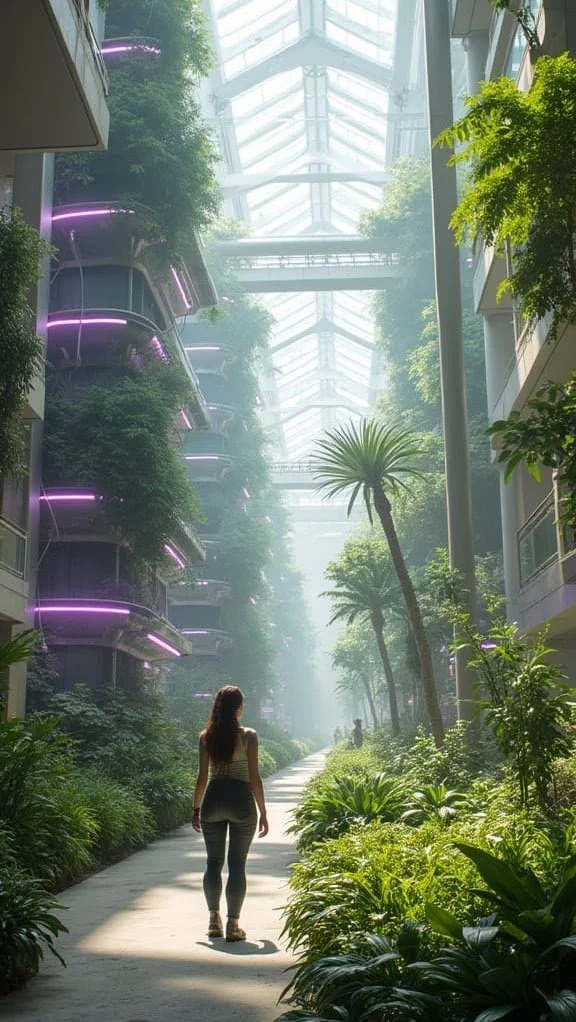
The Urban Harvest: Food, Freedom, and Automation in the Closed-Loop City
Welcome back to our journey. We have followed the flow of water and materials through our city, witnessing how "waste" is transformed into wealth—clean water, fresh soil, and recovered nutrients. Today, we use those building blocks to address the most vital function of any society: providing nourishment. This is the story of the Urban Harvest.
As we design this system, we face a new, crucial challenge: balancing the cold efficiency of automation, which guarantees survival, with the warmth of human autonomy, which makes survival worthwhile. A city that feeds its people from a perfectly efficient, sterile food factory might keep them alive, but it would starve the soul. Our food system, therefore, is designed in layers, creating a hybrid of machine precision and human touch.
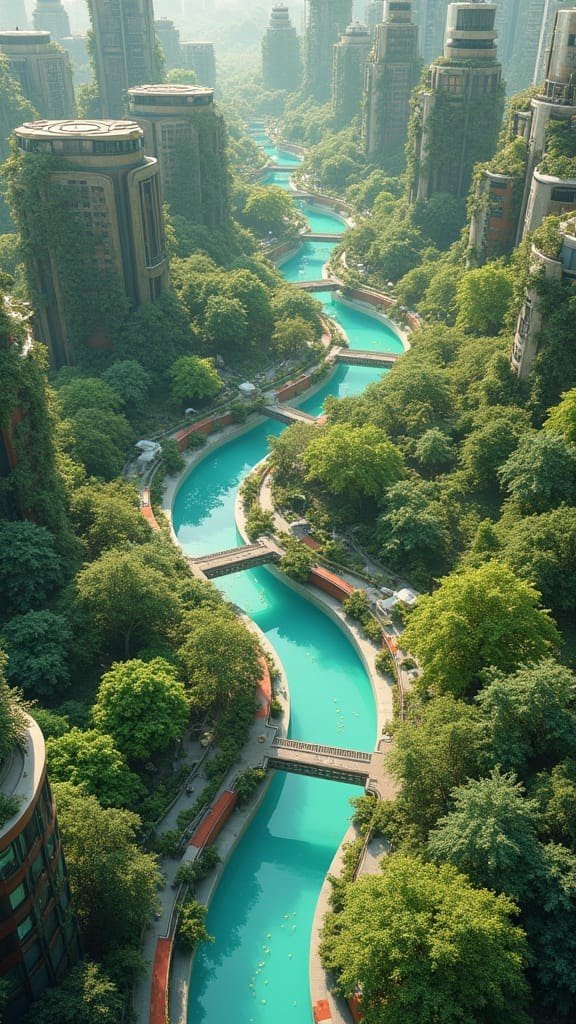
The End of the Landfill: Turning Waste into Wealth in the Closed-Loop City
Welcome back. Last week, we explored how a closed-loop city purifies and reuses every drop of water, reclaiming vital nutrients in the process. Those reclaimed resources are the perfect entry point for our topic this week: the city's comprehensive approach to what we currently call "waste."
In a modern city, we are defined by what we throw away. Garbage trucks, overflowing bins, and sprawling landfills are landmarks of our linear economy. But in a closed-loop city, the concept of "trash" doesn't exist. Every discarded object, from a food scrap to a broken machine, is simply a resource awaiting its next life. This isn't just recycling; it's a form of urban alchemy.
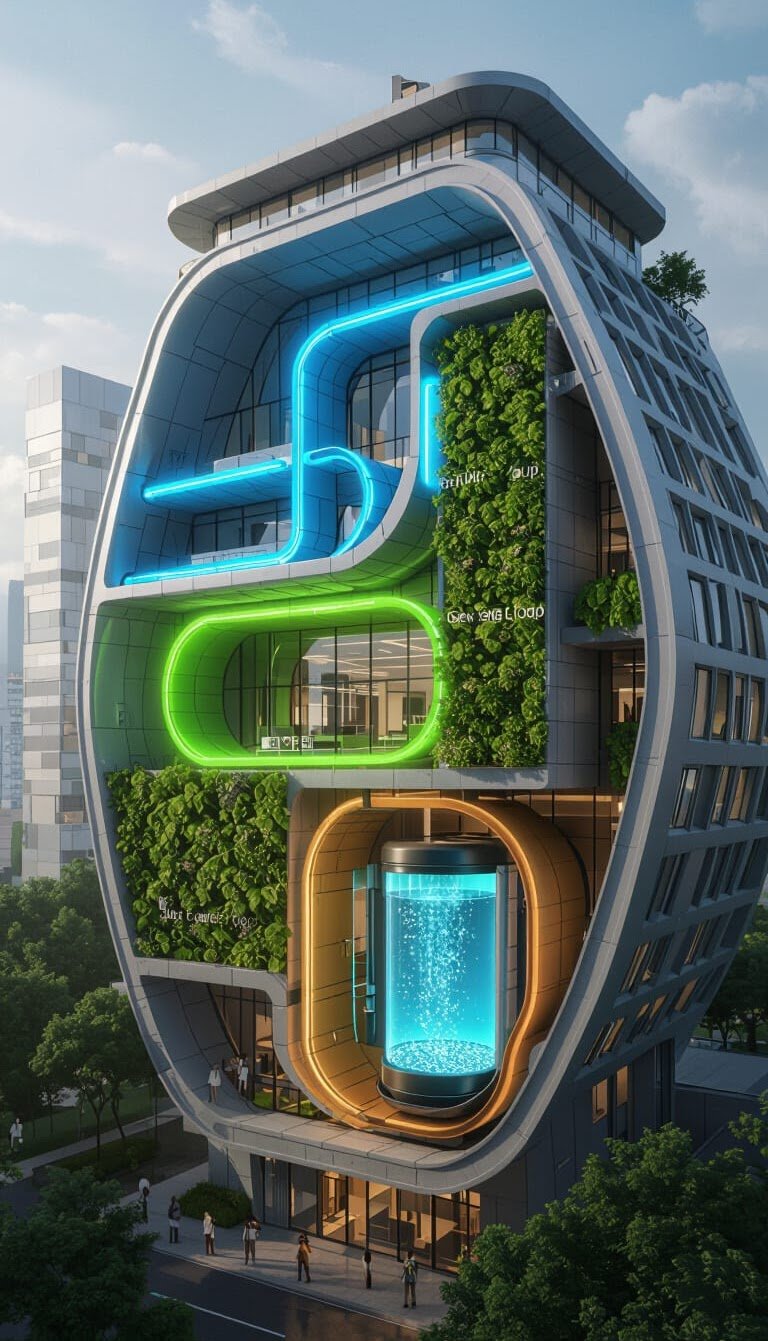
Every Drop Counts: Designing the Living Water System of a Closed-Loop City
Welcome back to our ongoing series on designing the ultimate closed-loop city. In our introduction, we laid out the vision for a self-sustaining urban environment where waste is a myth and resources are endlessly regenerated. Today, we dive into the first and most critical of these systems: Water.
Water is the lifeblood of any community. Yet, our current approach is fundamentally linear and wasteful: we source clean water from rivers and aquifers, use it once, and discharge it as "wastewater." A closed-loop city reimagines this flow entirely, creating a living, circular system where every single drop is valued, purified, and reused indefinitely.