

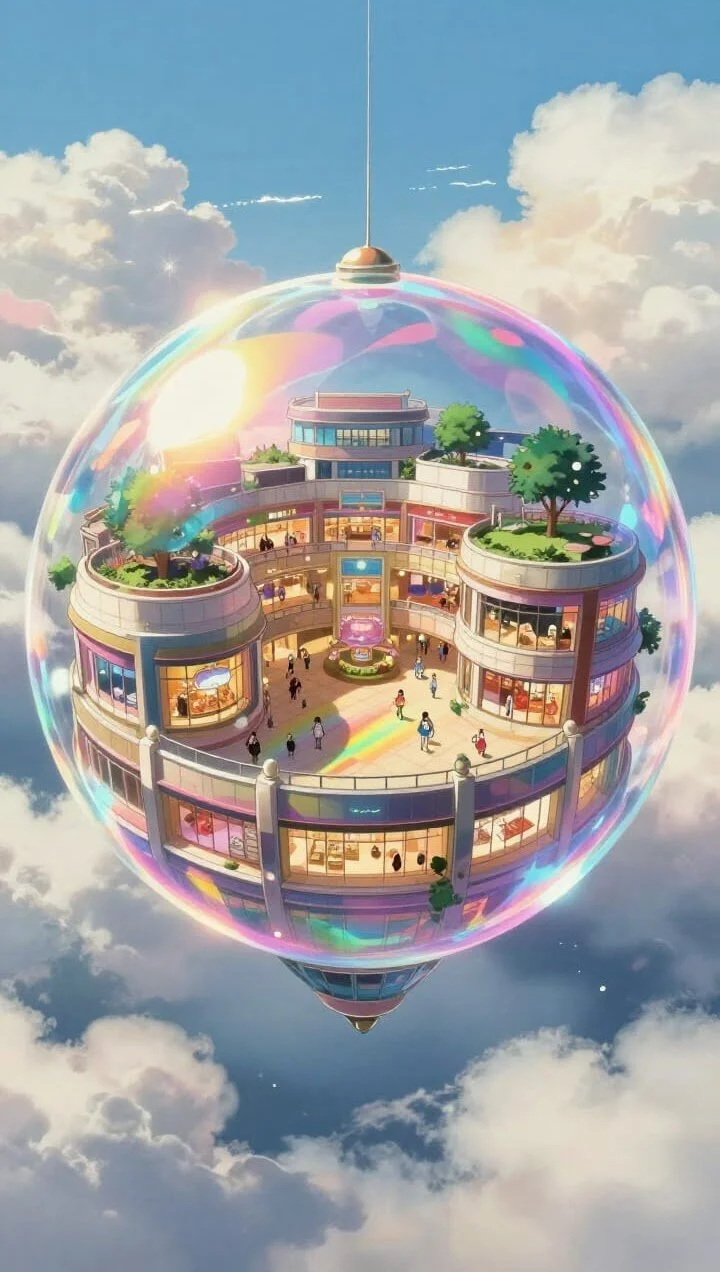
Loops in the Wild: Case Study 2 - The Modern Shopping Mall
The Subject: The Classic Enclosed Shopping Mall (Circa 1980-2005). The Analog: A resource incinerator disguised as a village.
The mall was an attempt to create a "perfect" city—climate-controlled, safe, and clean. But unlike a real city (or our Project Clean Up model), it was designed with a linear "extract-and-dump" architecture. It imports vast amounts of energy and goods, and exports vast amounts of waste and heat, with zero recirculation.
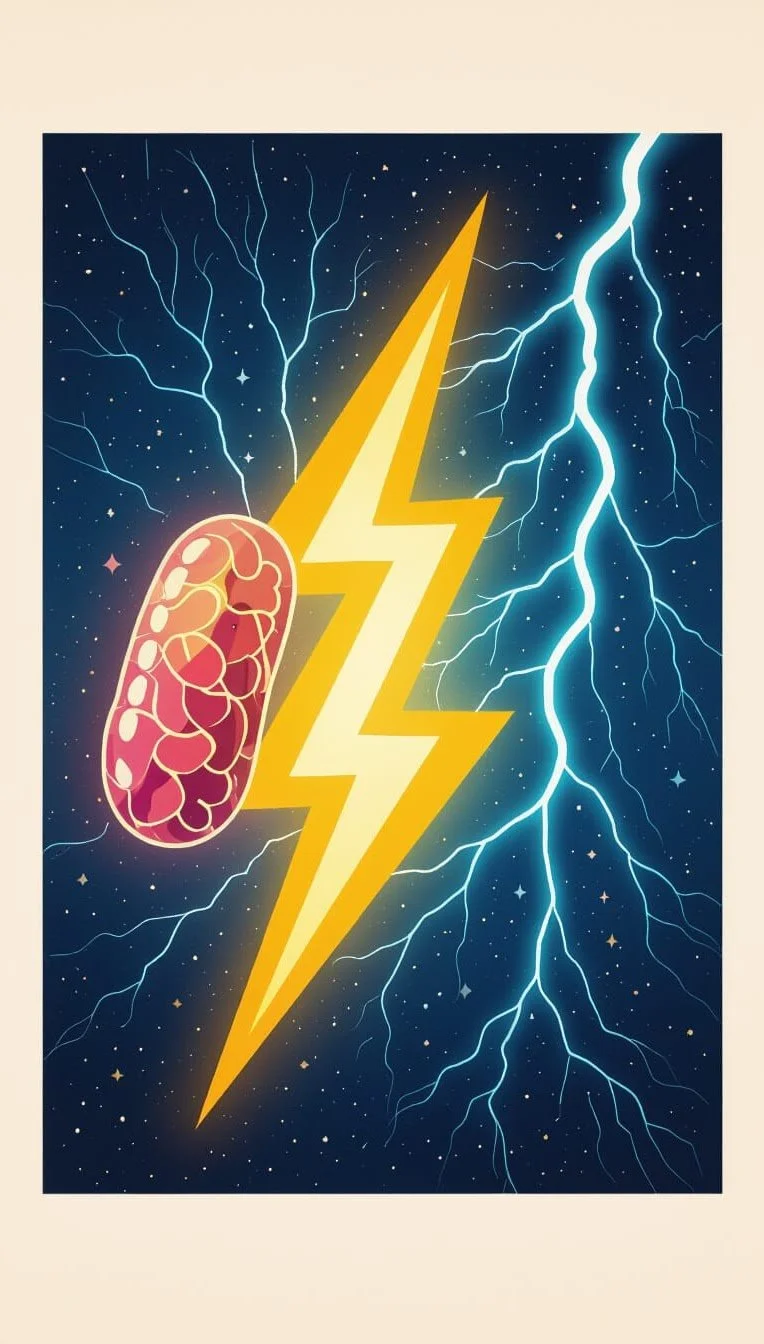
Loops in the Wild: Case Study 1 - The Cell & The Mitochondria
The Subject: The Eukaryotic Cell (specifically the energy and waste cycle). The Analog: A self-contained, fortified city-state.
To a systems engineer, a cell is not a blob of jelly. It is a highly fortified facility (Membrane) containing a central government (Nucleus), a logistics network (Cytoskeleton), specialized factories (Ribosomes), and, most importantly, power plants (Mitochondria) and recycling centers (Lysosomes).

A Day in the Life: Part 4 - The Night Shift and The Dreaming City
Time: 02:00 City Standard Time Location: The Infrastructure Sub-Level (Sector 4) & The Nexus Core Citizen: Unit V-402 (Maintenance Drone) & The City AI
The lights in the residential atrium have dimmed to a soft, lunar blue. Elias and his neighbors are asleep. But the city itself never sleeps; it merely shifts its metabolism.
The Energy Handoff For the last hour, the Perovskite Solar Skins on the building exteriors have been dormant. The city has seamlessly switched its heartbeat.