

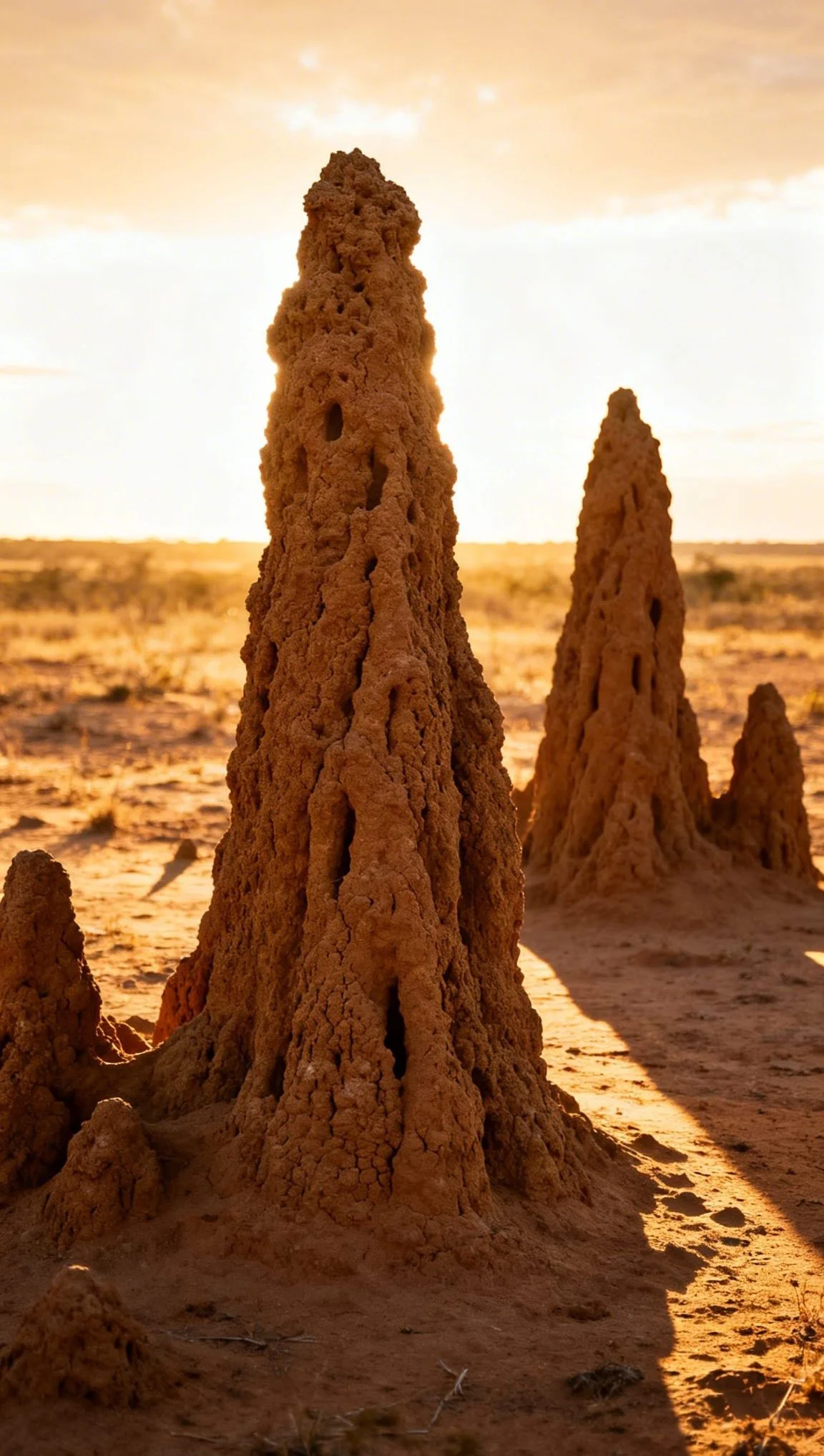
Loops in the Wild: Case Study 4 - The Termite Mound
The Subject: The mounds of the Macrotermes termite species in sub-Saharan Africa. The Analog: Biomimetic architecture and closed-loop agriculture.
To a casual observer, a termite mound is just a pile of dirt. To a structural engineer, it is a highly sophisticated, self-regulating lung and agricultural facility. The termites do not actually live in the towering spire; they live in the subterranean nest below it. The mound is an industrial organ designed to manage heat, humidity, and gas exchange for a population of millions.
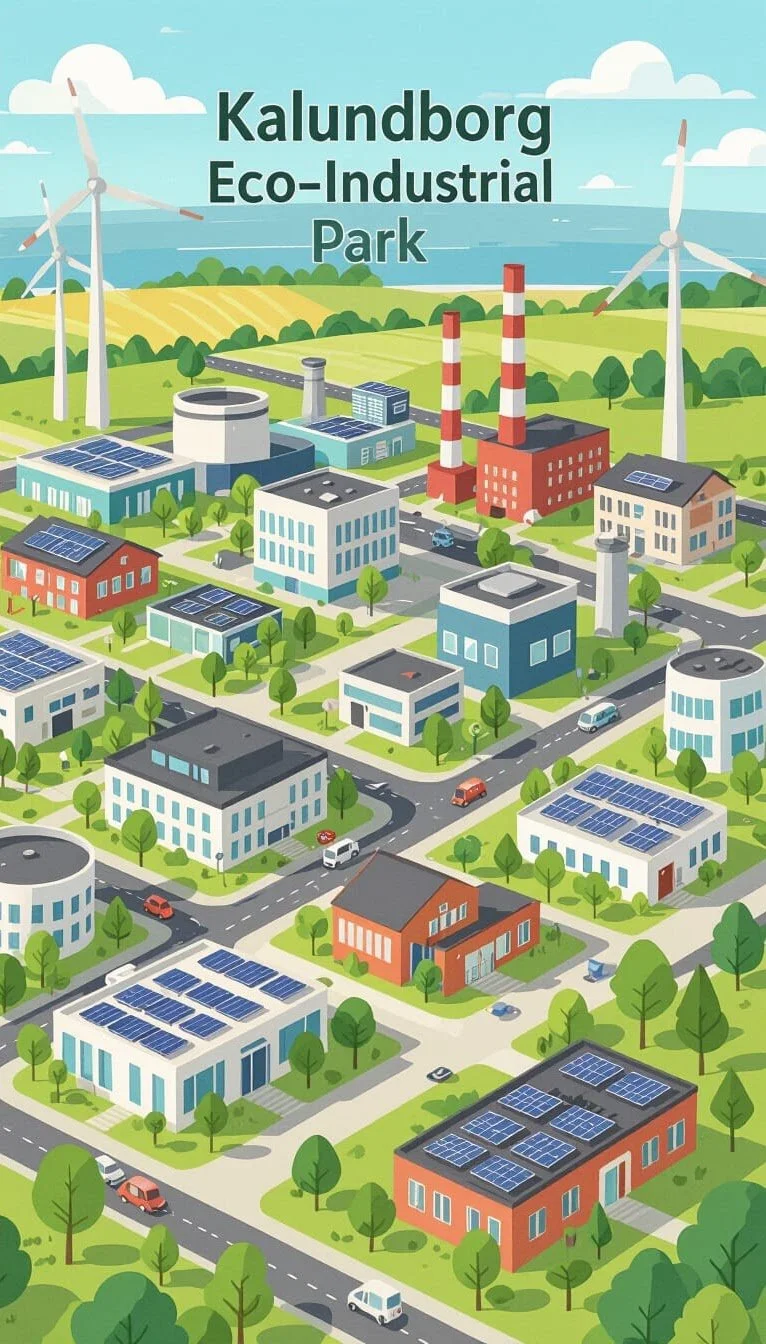
Loops in the Wild: Case Study 3 - Kalundborg Symbiosis
The Subject: Kalundborg Eco-Industrial Park, Denmark. The Analog: The "Industrial Ecology" blueprint.
Kalundborg is the world's most famous and successful example of industrial symbiosis. It is a network of separate companies—a power station, an oil refinery, a pharmaceutical plant, a plasterboard manufacturer, and the local municipality—that act like organs in a single body. They trade water, energy, and solid materials. One facility's exhaust is another facility's raw material.

Loops in the Wild: Case Study 2 - The Modern Shopping Mall
The Subject: The Classic Enclosed Shopping Mall (Circa 1980-2005). The Analog: A resource incinerator disguised as a village.
The mall was an attempt to create a "perfect" city—climate-controlled, safe, and clean. But unlike a real city (or our Project Clean Up model), it was designed with a linear "extract-and-dump" architecture. It imports vast amounts of energy and goods, and exports vast amounts of waste and heat, with zero recirculation.