Enzymes, nature's catalysts
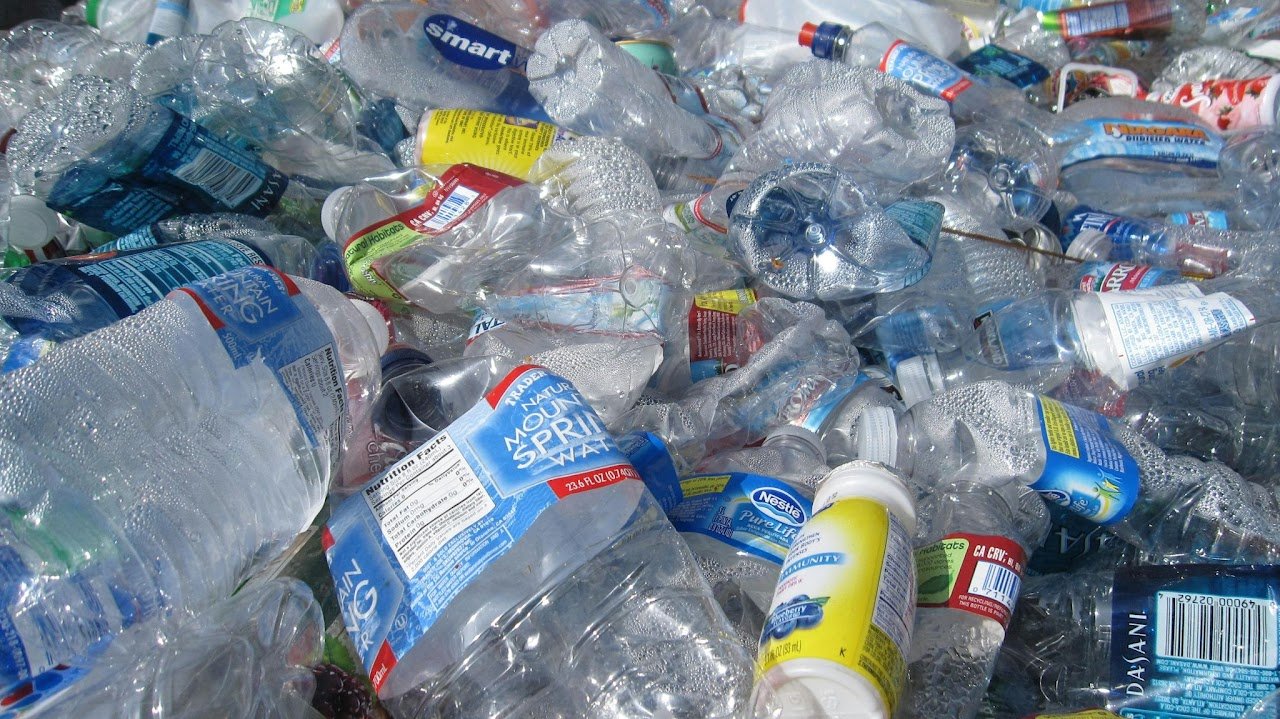
Enzymes, nature's catalysts, are being harnessed to manage various types of human waste, including plastics, microplastics, biomass waste, and wastewater. Engineered enzymes like PETase can break down plastics into basic components, reducing environmental pollution. Other enzymes are being developed to degrade microplastics in sewage and wastewater, while some facilitate the conversion of biomass waste into useful products like biofuels and bioplastics. Enzymes also play a crucial role in wastewater treatment, breaking down fats, oils, proteins, and cellulose. As biocompatible and biodegradable catalysts, enzymes offer a sustainable and environmentally friendly approach to waste management, contributing to a circular economy. However, more research is needed for their large-scale application.
The Future of Waste Management: Harnessing Enzymes to Combat Plastic Pollution
Engineers and scientists at The University of Texas at Austin have created an enzyme variant that can break down plastics that typically take centuries to degrade in just a matter of hours to days. This discovery could help solve one of the world's most pressing environmental problems: what to do with the billions of tons of plastic waste piling up in landfills and polluting our natural lands and water. (05/23/2025)