Lignocellulose & Silk – The "Green" Boards of 2026
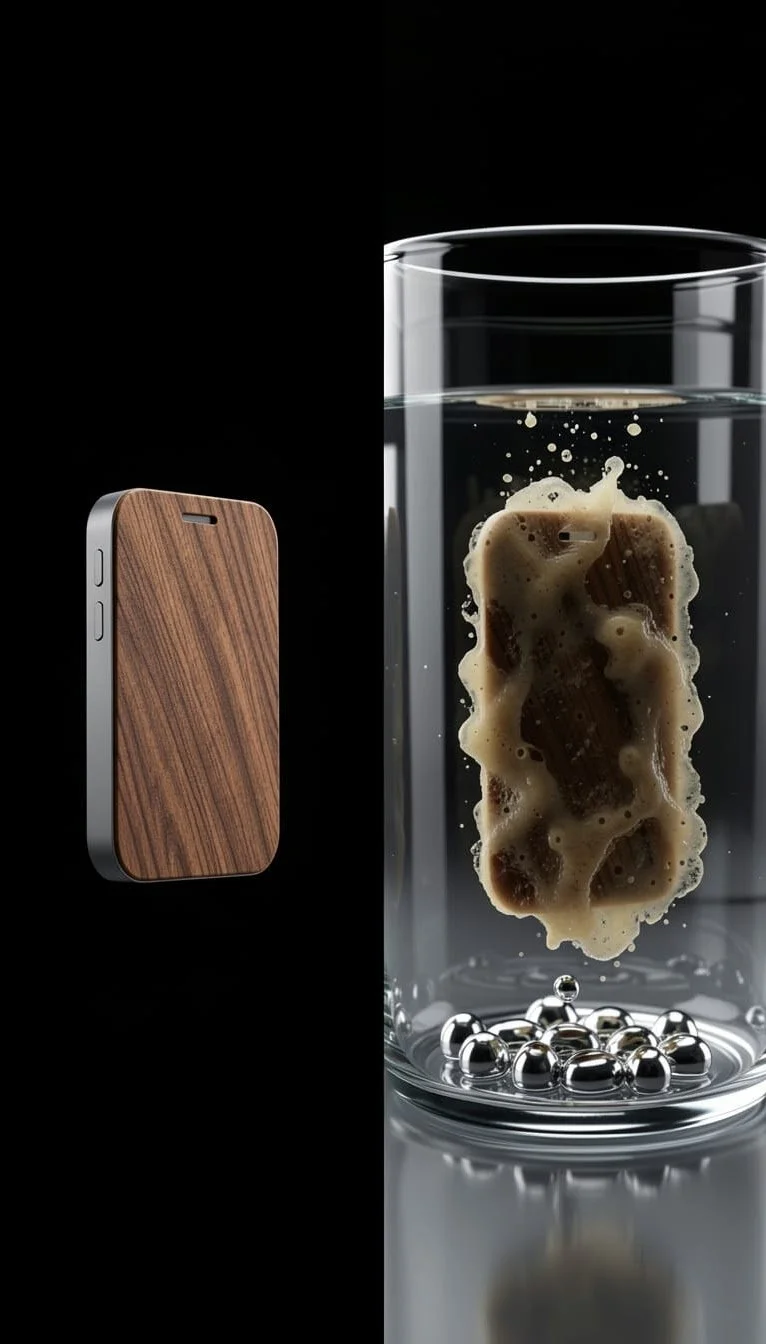
From the Laboratories of Project Clean Up (02/20/2026)
As we move into the spring of 2026, the EU project HyPELignum and researchers at the University of Glasgow have moved the needle on sustainable hardware. It is critical to note: while wood-based and silk-based PCBs are currently being integrated into low-power devices like computer mice and RFID tags, they are not yet robust enough for high-heat servers or smartphone processors.
Why Biopolymers? Strength from Waste
The most promising "Green" board is made from Lignocellulose—a natural mixture of cellulose and lignin that is often a waste product of the paper industry. By grinding these fibers into fibrils and pressing them under high pressure, scientists create a board as resistant as epoxy but with a vastly lower carbon footprint. Similarly, Silk Fibroin is being used for ultra-thin, flexible electronics that are biocompatible and can dissolve inside the human body after a medical monitor's task is complete.
The Lifecycle Standard: The Hydraulic Reset
Under the PCU Lifecycle Standard, we've verified the "Dissolve-to-Recover" pathway for these materials:
The Challenge: Traditional boards require "shred and smelt" techniques which lose 40-60% of the precious materials and create toxic fumes.
The PCU Solution: The Aqueous Bath. Because these biopolymer substrates are engineered with "transient" chemical bonds (like ester or amide bonds), they remain stable in ambient humidity but "unlock" when immersed in a specific water-based solution.
As the board dissolves, the Gallium-based liquid metal we discussed last week is physically released. Since Gallium doesn't mix with water, it pools at the bottom of the tank for easy collection. The MXene shielding is then captured via a simple fine-mesh filter. The board itself turns into a nutrient-rich organic sediment.
The 2026 Vision: The 24-Hour Disappearing Act
At Project Clean Up (PCU), we are proving that high-tech performance and environmental responsibility are not mutually exclusive. A 2026 "Smart Label" using these technologies can function perfectly for two years on a shelf, but once placed in a composting environment, it can stop functioning in 24 hours and fully degrade in weeks. We have finally moved from "Forever Chemicals" to "Purposeful Persistence." Learn more about our Aqueous Harvest research at projectcleanup.com.