Gallium Alloys – The Solder of the Fusion Age
From the Laboratories of Project Clean Up (02/13/2026)
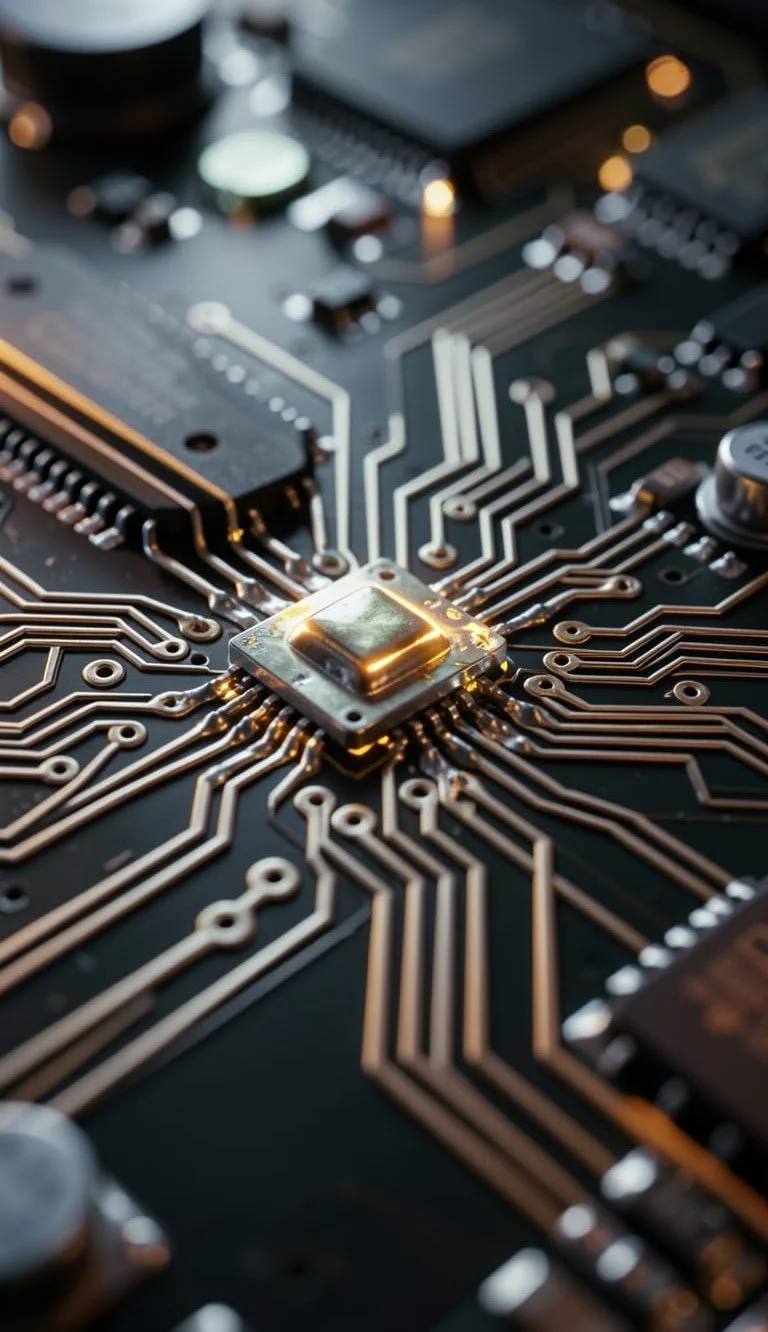
The move toward Liquid Metal Alloys (LMAs)—specifically Eutectic Gallium-Indium (EGaIn) and Gallium-Indium-Tin (Galinstan)—is the latest "Post-Metal" concept being floated for high-end manufacturing. It is vital to note: while these alloys are used in high-end lab applications and specialized cooling systems, they are not yet available on the shelf for consumer electronics manufacturers.
Why Gallium? The Self-Healing Connection
Traditional metals like copper or gold traces fail when they crack. Liquid metals don't crack; they flow. In a microchip or a fusion reactor sensor exposed to high vibration, a Gallium-based link maintains its conductivity even when the substrate is stretched or bent. This makes it the leading candidate for the "soft" electronics revolution. Furthermore, Gallium's thermal conductivity is significantly higher than that of thermal pastes, making it the premier choice for cooling the high-heat components of the 2026 fusion-grid prototypes.
The Lifecycle Standard: Physical Recovery vs. Chemical Destruction
Under the PCU Lifecycle Standard, we evaluate the "End-of-Life" before we endorse the "Beginning-of-Life."
The Challenge: Gallium is "corrosive" to other metals like aluminum. If liquid metal electronics are disposed of in standard waste streams, they can weaken structural metals in recycling facilities, leading to equipment failure.
The PCU Solution: We have developed the Ultrasonic Decoupling Protocol. Because Gallium-based alloys remain liquid, we don't need to destroy the molecule. By applying a specific frequency of ultrasonic energy, we can break the surface tension that holds the Gallium to the circuit traces. The liquid metal simply "rolls off" the board into a collection tray.
The 2026 Vision: The "Erasable" Circuit
At Project Clean Up (PCU), we are working toward a future where a smartphone or a sensor is not a permanent monument of waste, but a temporary assembly of high-value components. By using Gallium-based links and the MXene shielding we discussed last week, we are creating "Erasable Circuits." When the device is obsolete, we recover the Gallium, reset the MXenes, and harvest the carbon. We are moving from the era of "Forever Chemicals" to the era of Reusable Elements. Learn more about our liquid metal recovery research at projectcleanup.com.