Self-Healing Electronic Circuits – A Solution for the E-Waste Crisis
From the Laboratories of Project Clean Up (11/14/2025)
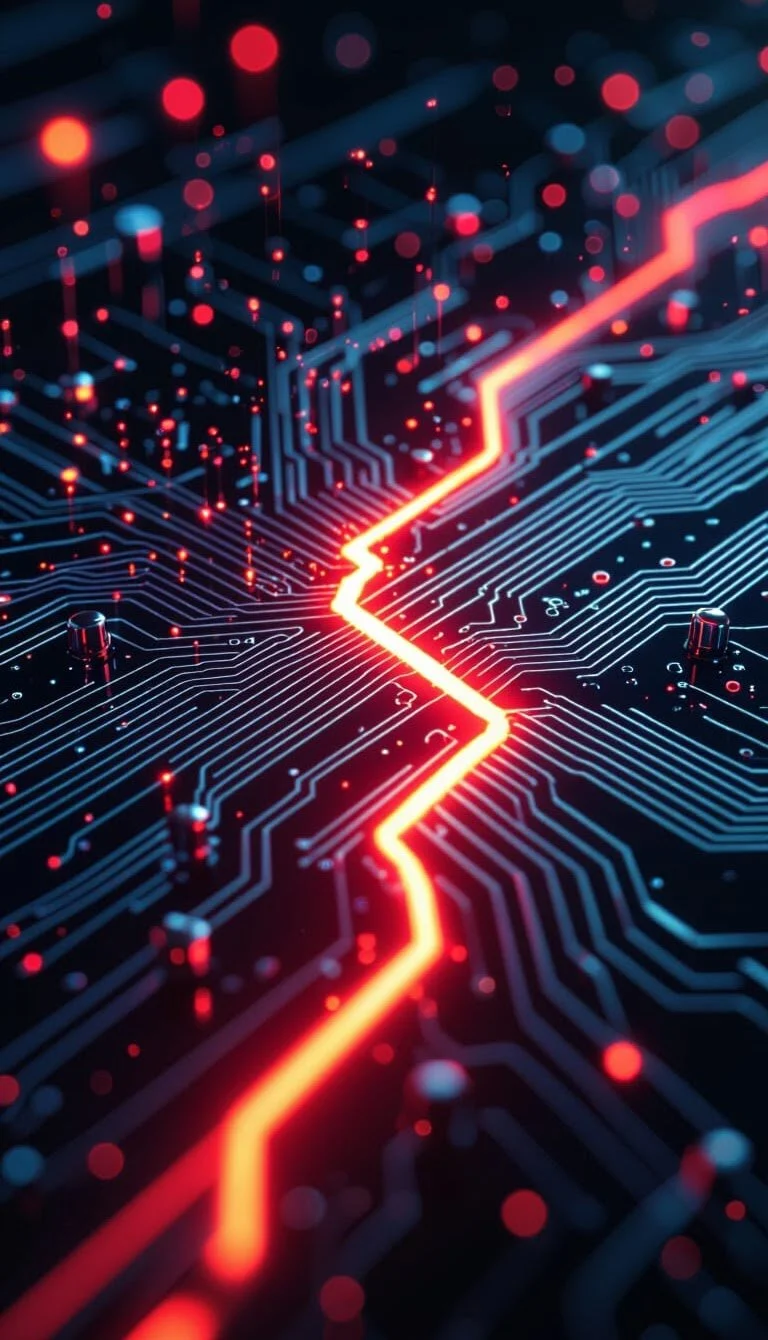
The rapid obsolescence of electronic devices contributes to a massive global waste problem. Once a small circuit cracks or a component fails, the entire device often becomes e-waste. Self-Healing Electronic Circuits offer a revolutionary solution by imbuing electronic materials with the ability to autonomously repair physical damage. This technology typically involves embedding microcapsules of a liquid conductor within a polymer matrix. When a crack severs a circuit line, the capsules break open, releasing the liquid to fill the gap and restore the electrical conductivity. This ingenious mechanism is poised to extend the life of everything from flexible wearables and medical implants to powerful microprocessors.
The Self-Healing Promise: Reducing the Global E-Waste Burden
The environmental implications of self-healing electronics are profound. E-waste is a major source of hazardous materials (like heavy metals) and a massive waste of valuable resources (like gold, palladium, and copper). By preventing the failure of a device due to a simple fracture, self-healing circuits can drastically reduce the amount of functional material being prematurely discarded. This shift from disposable to resilient design aligns perfectly with the principles of a circular economy. Products last longer, material consumption is lowered, and the overall environmental footprint of consumer electronics is reduced. This proactive approach to sustainability is a major focus for Project Clean Up (PCU).
Beyond Repair: Designing for the Final End-of-Life
While self-healing circuits solve the problem of premature failure, the complex materials they use still require careful management at their final end-of-life. The polymers, microcapsules, and various healing agents introduced to the circuit—while functional—must not complicate the ultimate recycling and resource recovery process. Traditional e-waste recycling methods rely on mechanical separation and smelting, which can be inefficient when dealing with composite materials. This is where the core expertise of PCU Laboratories becomes vital. Our research into breaking down complex polymer architectures and separating intricate material mixtures is directly applicable. We are committed to developing methods that not only allow circuits to heal but also ensure that their final deconstruction is safe, efficient, and maximizes the recovery of every valuable element, preventing any hazardous material from becoming an environmental burden. Learn more about our vision for a sustainable future and how you can contribute at projectcleanup.com.