Self-Healing Polymers – Materials That Mend Themselves
From the Laboratories of Project Clean Up (06/27/2025)
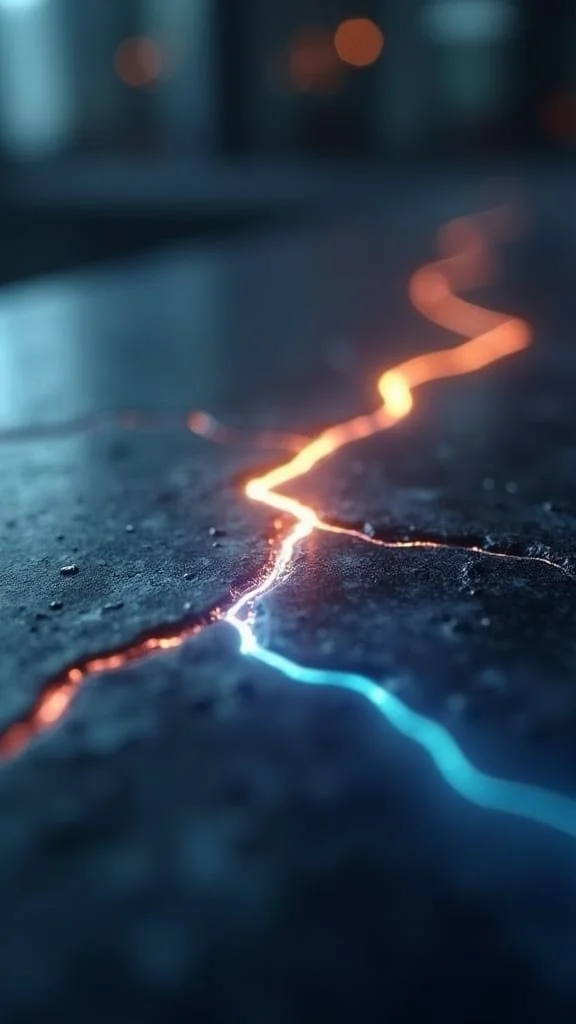
Imagine a material that can automatically repair itself after being scratched, cracked, or punctured, significantly extending its lifespan and reducing waste. This isn't science fiction; it's the groundbreaking reality of self-healing polymers. These "smart" materials are revolutionizing industries from aerospace and automotive to consumer electronics and biomedicine. By embedding microscopic capsules of healing agents or utilizing dynamic chemical bonds that can reform, these polymers can mend minor damage without human intervention, leading to products that last longer, perform more reliably, and consume fewer resources in manufacturing and replacement. This inherent ability to self-repair represents a significant leap towards more resilient and sustainable material design, drastically reducing the amount of waste generated from material fatigue and accidental damage.
The Self-Healing Promise: Extending Life, Reducing Waste
The environmental impact of materials often stems from their finite lifespan. When a conventional material breaks, it typically becomes waste. Self-healing polymers fundamentally alter this paradigm. By extending the functional life of products and infrastructure, they directly reduce the demand for new materials and the energy associated with their production. For instance, self-healing coatings can protect bridges from corrosion for decades longer, while self-healing plastics could mean fewer electronic devices ending up in landfills. At Project Clean Up (PCU), while our core mission focuses on the ultimate degradation of persistent chemicals, we recognize the profound environmental benefits of materials designed for longevity. Self-healing properties represent a crucial step in the circular economy by promoting repair and reuse, thereby minimizing the volume of materials that ever reach the "end-of-life" stage, making subsequent recycling or degradation processes far more efficient and less resource-intensive.
Ensuring a Truly Circular Future: Beyond Self-Healing
While self-healing polymers are a remarkable step forward, a truly circular economy also demands solutions for when even these materials eventually reach their final end-of-life. The complex chemical structures that enable self-healing might still pose challenges for traditional recycling or safe degradation. This is where the core expertise of PCU Laboratories becomes vital. Our research into breaking down complex polymer structures complements the self-healing revolution by ensuring that, when a self-healing material truly reaches the end of its useful life, we have the scientific pathways to break it down responsibly. Our dedication extends to the full spectrum of material challenges: from creating new materials that last longer, to developing the chemistry that ensures every material can ultimately be managed sustainably. As always, the critical first step in any material's journey towards a clean end-of-life is proper disposal. Learn more about our vision for a sustainable materials future at projectcleanup.com.