

Biodegradable Metals – Disappearing Acts for a Sustainable Future
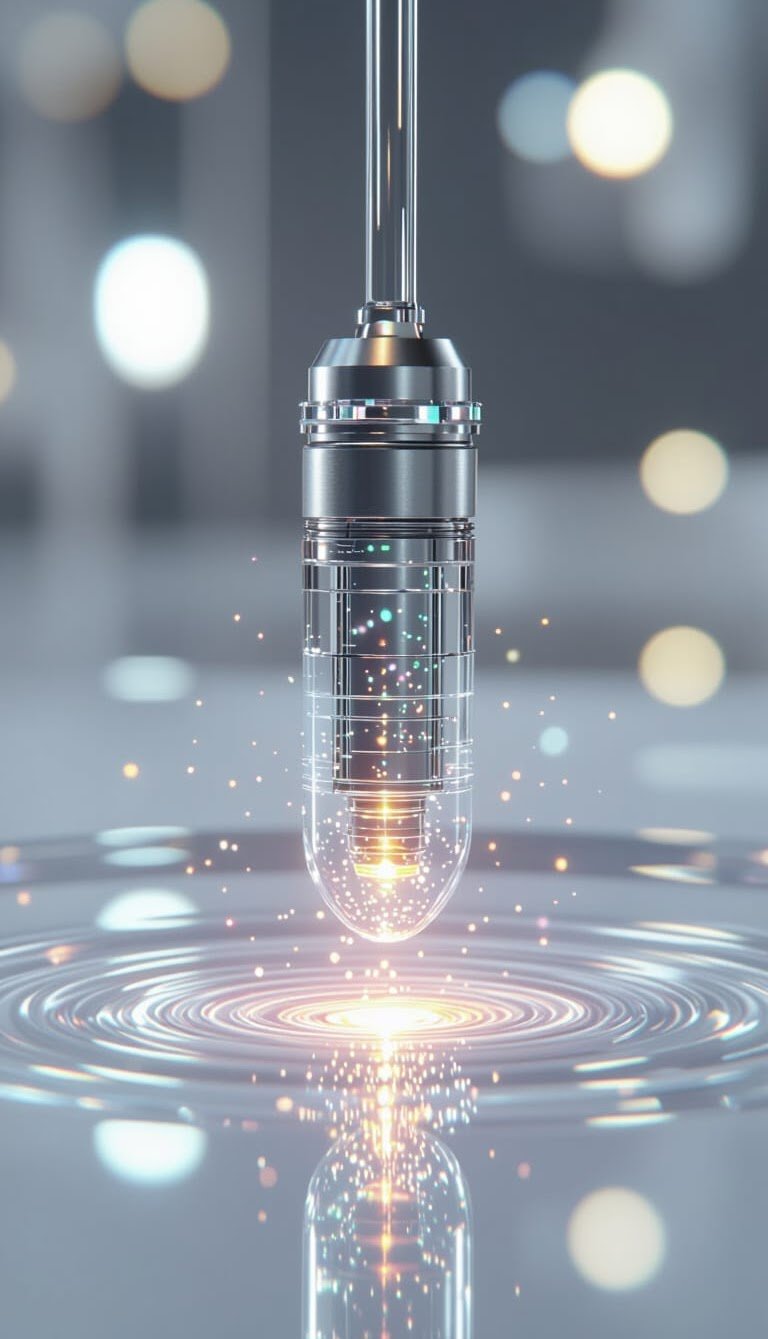
For centuries, metals have been prized for their strength and durability. However, this persistence can become a liability, especially in applications where only temporary structural support is needed, or where material accumulation poses an environmental burden. Enter biodegradable metals – a revolutionary class of advanced materials engineered to perform a specific function and then safely degrade within a controlled environment, such as the human body or specific natural settings. Typically composed of elements like magnesium, iron, or zinc and their alloys, these metals are designed to gradually corrode over time, releasing ions that can be safely metabolized or absorbed by biological systems, or integrated back into the natural environment. This innovation is transforming fields like biomedical engineering, offering a paradigm shift for implants like orthopedic screws, stents, and bone plates that eliminate the need for secondary removal surgeries, reducing patient burden and healthcare costs.

Fluorotelomer Alcohols (FTOHs) – The Invisible Path to "Forever Chemicals"
For decades, Fluorotelomer Alcohols (FTOHs) played a ubiquitous, if often invisible, role in enhancing the performance of countless consumer and industrial products. These semi-volatile compounds were widely used as intermediates in the production of various fluorinated polymers and as surface treatment agents to impart water, oil, and stain repellency. From the waterproofing in outdoor gear and carpets to the grease resistance in food packaging and even in some firefighting foams, FTOHs provided essential functionality. Their popularity stemmed from their ability to deliver desired material properties, often perceived as a safer alternative to direct applications of fully fluorinated compounds, due to their structural differences.
Metal-Organic Frameworks (MOFs) – Precision Engineering for a Cleaner World
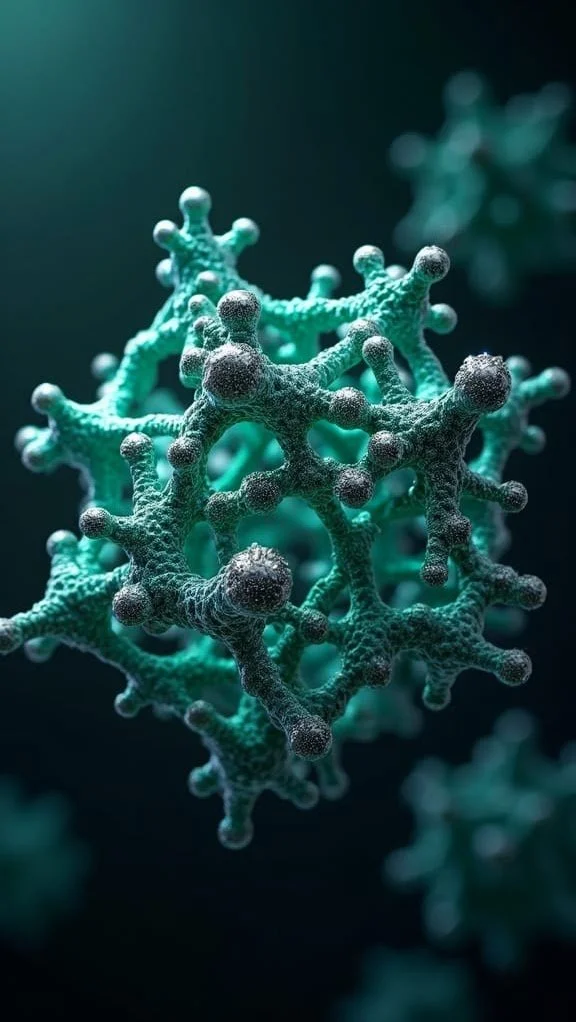
Imagine materials so intricately designed at the molecular level that a mere gram possesses a surface area the size of a football field. This seemingly impossible feat is the reality of Metal-Organic Frameworks (MOFs). These captivating, crystalline compounds are created by linking metal ions (or clusters) with organic molecules (ligands) to form highly ordered, porous, three-dimensional structures. The magic of MOFs lies in their tunable pore sizes, vast internal surface areas, and customizable chemical functionality, making them incredibly versatile. They are at the forefront of groundbreaking research in diverse fields, from efficient gas storage (e.g., hydrogen, methane), and precise chemical separations, to highly selective catalysis and targeted drug delivery, promising a new era of molecular engineering.