


PFBS – The Persistent Presence of a "Safer" Alternative
As the environmental and health concerns surrounding long-chain PFAS like PFOA and PFOS mounted, the chemical industry sought alternatives that could deliver similar performance with a reduced risk profile. One such compound that emerged as a replacement was Perfluorobutane Sulfonic Acid (PFBS). This shorter-chain PFAS, typically found as an ammonium salt, offers excellent water, oil, and stain repellency, leading to its widespread use in consumer products such as food packaging, textiles, carpets, firefighting foams, and even cleaning products. Its design was intended to be a safer step forward, believed to be less bioaccumulative due to its faster excretion from the human body.

Self-Healing Polymers – Materials That Mend Themselves
Imagine a material that can automatically repair itself after being scratched, cracked, or punctured, significantly extending its lifespan and reducing waste. This isn't science fiction; it's the groundbreaking reality of self-healing polymers. These "smart" materials are revolutionizing industries from aerospace and automotive to consumer electronics and biomedicine. By embedding microscopic capsules of healing agents or utilizing dynamic chemical bonds that can reform, these polymers can mend minor damage without human intervention, leading to products that last longer, perform more reliably, and consume fewer resources in manufacturing and replacement. This inherent ability to self-repair represents a significant leap towards more resilient and sustainable material design, drastically reducing the amount of waste generated from material fatigue and accidental damage.
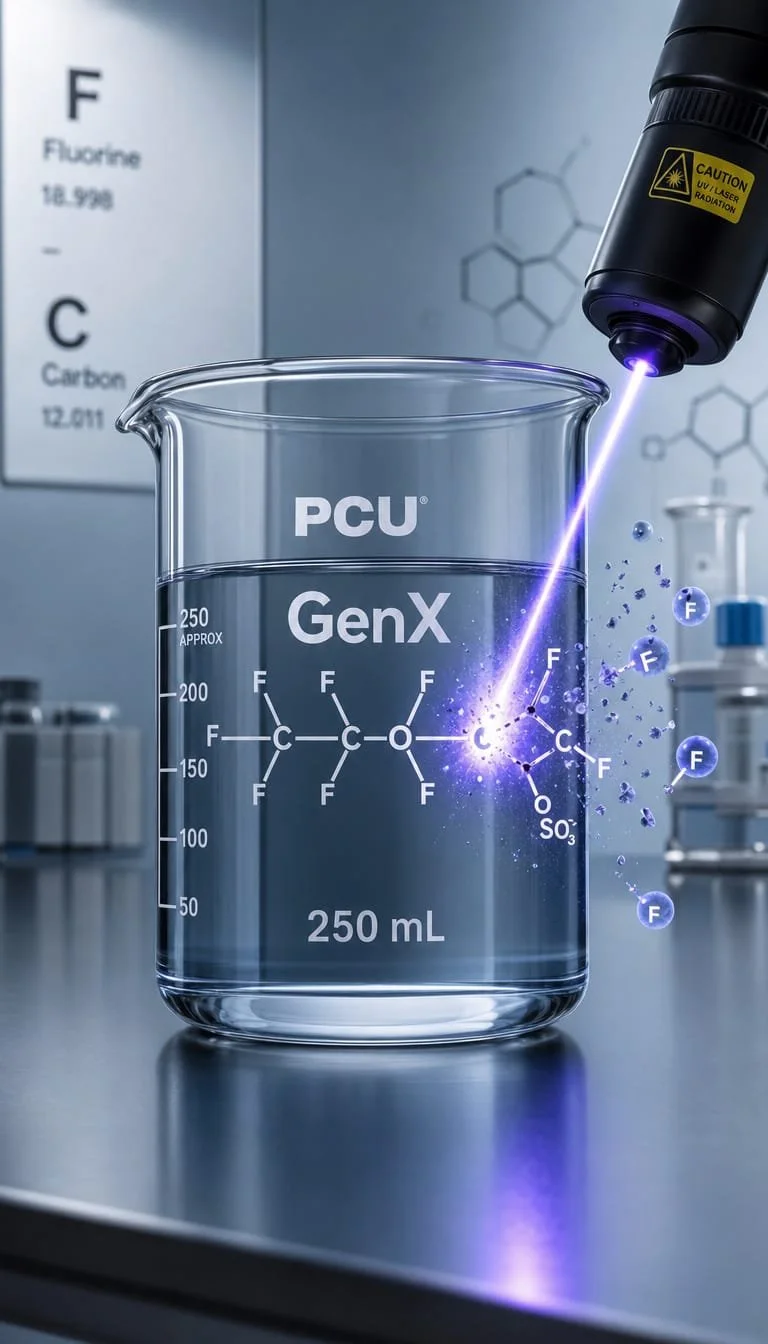
GenX – The Next Generation of Persistent Challenge
When concerns about legacy "forever chemicals" like PFOA emerged, the chemical industry sought alternatives. One prominent example developed to replace PFOA in fluoropolymer manufacturing is GenX. This compound, specifically the ammonium salt of hexafluoropropylene oxide dimer acid (HFPO-DA), was engineered to be a shorter-chain PFAS, theoretically leading to less bioaccumulation in organisms and faster elimination from the body. It can be used as a processing aid in creating high-performance fluoropolymers for products ranging from non-stick coatings and specialized cables to semiconductors, delivering the same valuable properties of durability and repellency that consumers and industries relied upon.