


Perfluorobutane Sulfonamide (PBSA) – The Shorter-Chain Precursor Challenge
The chemical industry has historically sought to replace long-chain "forever chemicals" with shorter-chain alternatives, aiming for reduced bioaccumulation. Perfluorobutane Sulfonamide (PBSA) is one such compound. Defined by its four-carbon perfluorinated chain and a sulfonamide end group, PBSA is used as a foundational precursor in the manufacture of various fluorinated materials and polymers. It provides essential high-performance properties for industrial processing and product efficacy, often serving as a replacement for longer-chain compounds like PFOSA.

Synthetic Spider Silk – Nature's Super Material, Engineered for Sustainability
Natural spider silk has fascinated scientists for decades. It is arguably the most remarkable fiber on the planet, possessing a combination of lightness, strength, and elasticity that far exceeds most synthetic materials. However, farming spiders is impractical. Synthetic Spider Silk solves this by leveraging biotechnology. Researchers use genetically modified organisms (like E. coli bacteria or yeast) as mini-factories to produce the silk proteins. These proteins are then purified and spun into fibers that rival the properties of natural silk, offering a material that is both a high-performance breakthrough and a model of sustainability.
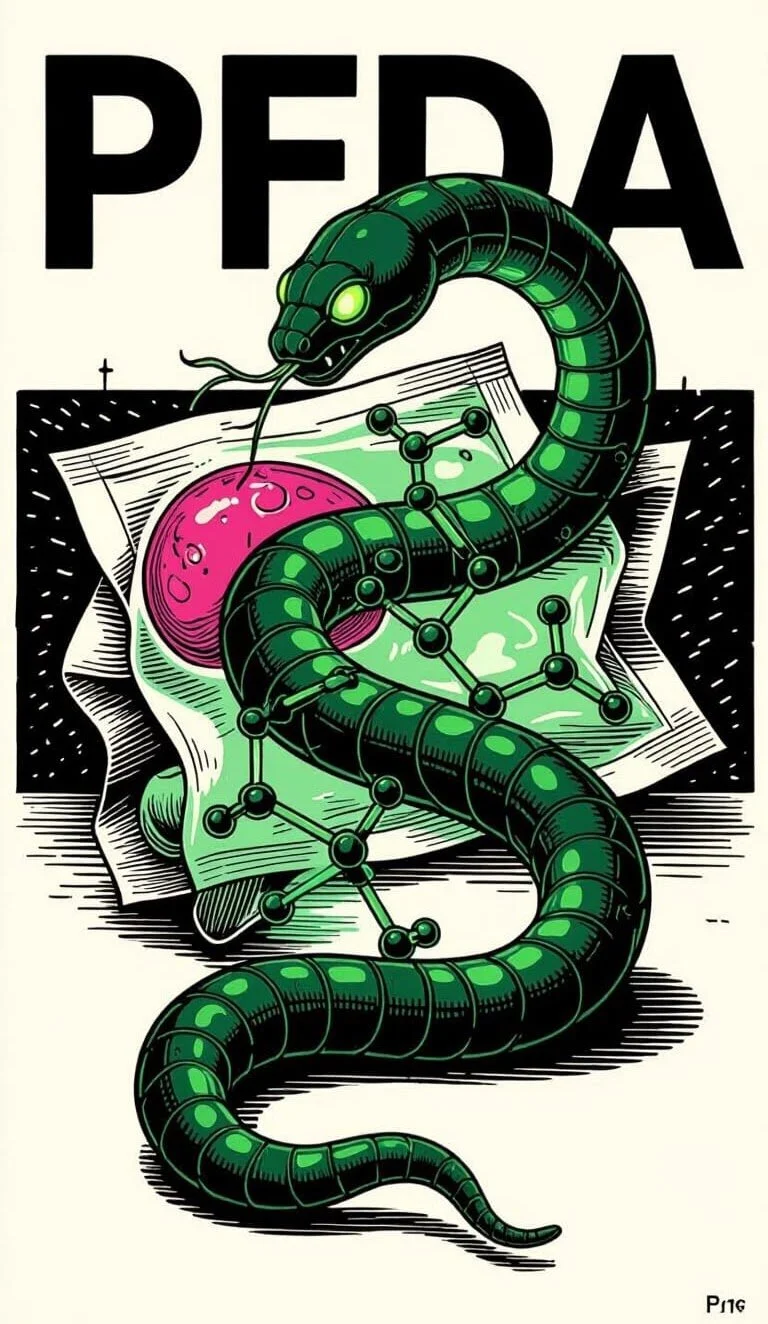
Perfluorodecanoic Acid (PFDA) – The Bioaccumulative Threat of C10
Perfluorodecanoic Acid (PFDA) is a significant member of the PFAS family, notable for its long carbon chain (C10) terminating in a carboxylic acid group. Its unique chemical structure provides exceptional resistance to heat, oil, and water, cementing its use as a fluorosurfactant in specialized applications such as stain and greaseproof coatings for carpets, furniture, and paper-based food containers. PFDA's high performance and chemical inertness made it a desirable compound in high-end industrial and consumer products for decades. However, its long carbon chain ensures that its legacy is far more complicated than its utility suggests.