Level 4: The Driveway Defense – Building a Rain Garden
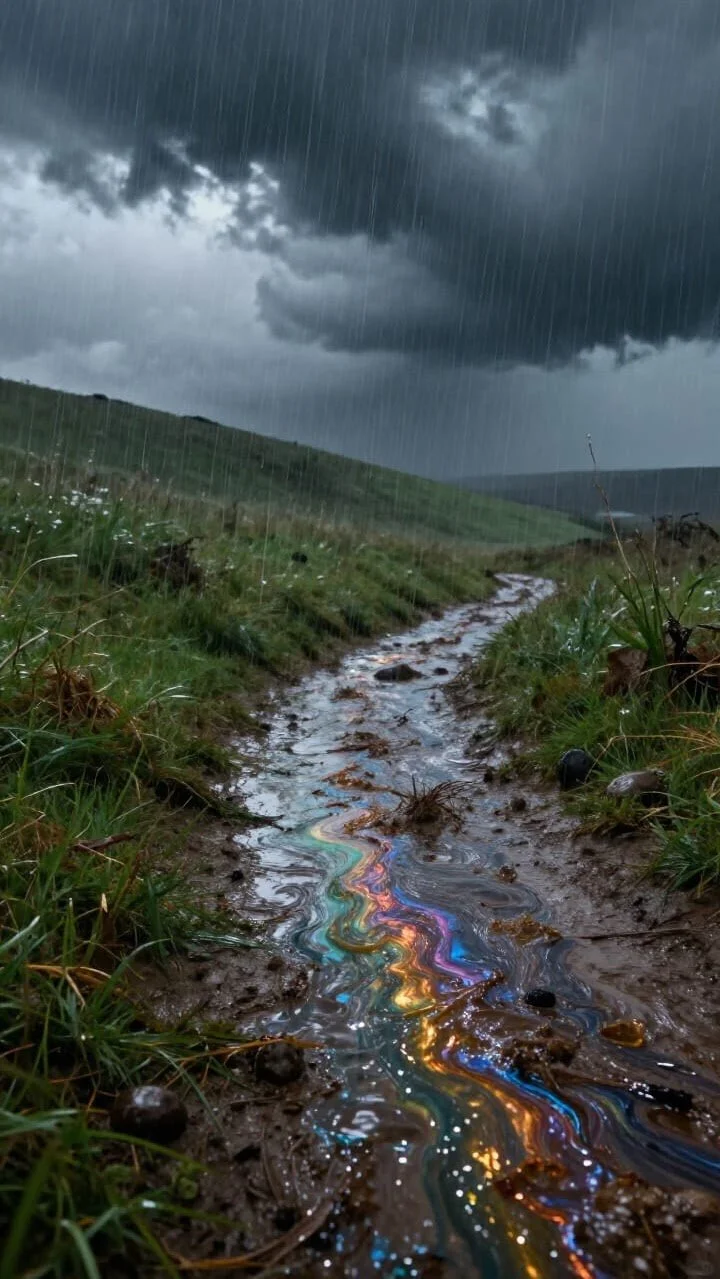
The Mission: Every time a storm hits, water washes over your roof, driveway, and street. It picks up a toxic cocktail of motor oil, brake dust (heavy metals), fertilizers, and dog waste. Usually, this "stormwater runoff" flows straight into a storm drain and dumps directly into the local creek, untreated. Your mission is to intercept this flow and filter it before it leaves your yard. (02/06/2026)
The Science: Bioretention We are building a Rain Garden, but in engineering terms, this is a Bioretention Cell. It combines three powerful remediation mechanisms we have studied:
Physical Filtration: The soil acts as a sieve, trapping sediment and particles.
Chemical Adsorption: As we learned in "Myth-Busting," we can't destroy metals. However, the clay and organic matter in the garden bind (adsorb) heavy metals like zinc and copper, locking them in place so they don't reach the groundwater.
Biological Degradation: The root zones of the plants are teeming with microbes that feast on the petroleum hydrocarbons (oil and grease) washing off your driveway.
The Protocol: The "Soak and Filter" Method You aren't just digging a hole; you are creating a living sponge.
Location: Find a low spot at least 10 feet from your house foundation, where water naturally flows (or direct a downspout toward it).
Excavation: Dig a shallow, saucer-shaped depression, about 6–12 inches deep. It shouldn't be a pond; it should be a flat basin that fills up during a storm and drains within 24 hours.
The Sponge: If you have heavy clay, amend the soil with sand and compost (your Level 1 product!). This ensures water infiltrates rather than pools.
The Plants: This is critical. Plant deep-rooted native perennials (like Coneflowers, Sedges, or Joe-Pye Weed). Native plants have massive root systems that keep the soil open and porous. They are also adapted to the "feast or famine" cycle of being flooded one day and dry the next.
The Result: Instead of a toxic surge of water hitting the creek, the runoff is captured in your garden. The water slowly sinks into the ground. The oil is eaten by microbes, the metals are trapped in the soil, and the clean, filtered water recharges the aquifer below. You have turned a pollution source into a wildflower sanctuary.