Precision Cleanup: The Rise of Genetically Engineered Microbes
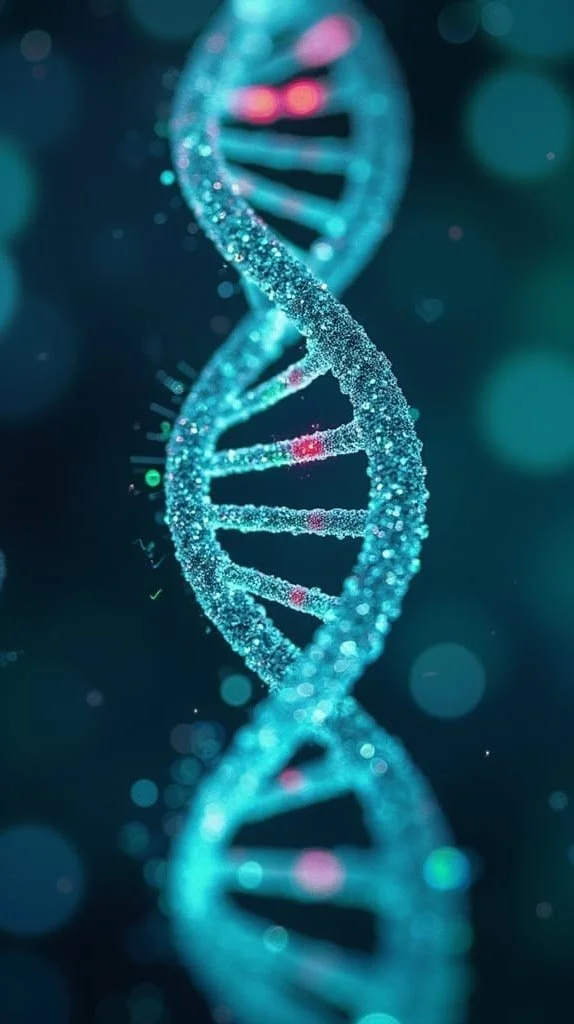
So far in our series, we've explored how to enhance nature's existing cleanup crews. But what happens when we face pollutants so complex and unnatural that no organism on Earth has evolved to handle them? The answer may lie in one of the most advanced and powerful scientific fields today: genetic engineering. Welcome to the world of designed solutions, where we can equip microbes with new abilities to tackle our toughest contamination challenges. (06/20/2025)
The Problem: "Alien" Pollutants
Our industrial world has created thousands of chemical compounds that have no equivalent in nature. These are called xenobiotics (from the Greek xenos, meaning 'foreign'). Think of certain persistent pesticides, industrial solvents, or the notoriously resilient "forever chemicals" like PFAS. Because they are alien to the natural environment, microbes lack the biochemical tools—the specific enzymes—to break them down. These pollutants can persist for generations, bioaccumulating in the food web and posing long-term risks.
The "Designed" Heroes: Customizing a Microbe's Menu
A Genetically Engineered Microorganism (GEM) is a microbe, typically a harmless and well-understood species of bacterium like Pseudomonas putida, whose genetic code has been precisely altered in a laboratory. The goal isn't to create something entirely new, but to give an existing organism a new skill. It's like giving a master locksmith (the bacterium) a brand-new key (a gene) to unlock a specific, previously uncrackable lock (the pollutant).
The Advanced Technique: Genetic Programming for a Purpose
Using revolutionary gene-editing tools like CRISPR, scientists can perform molecular surgery on a microbe's DNA. The process looks something like this:
Identify the Target: Scientists first study the chemical structure of a target pollutant, like a specific type of plastic or a component of crude oil.
Find the "Key": They identify the specific gene (often found in another organism) that produces the enzyme capable of breaking a key chemical bond in that pollutant.
Insert the Code: Using CRISPR, they precisely insert this new gene into the DNA of a host bacterium. This new piece of code acts as a blueprint, instructing the bacterium to start producing the desired pollutant-degrading enzyme.
The result is a specialist. A bacterium that once ignored a toxic chemical can now actively seek it out and use it as a food source, breaking it down into harmless components like water, carbon dioxide, and salt.
The Big Picture: Immense Potential and Critical Responsibility
The potential of GEMs is immense. We could design microbes to specifically target oil spills, break down microplastics in water treatment plants, or decontaminate soil laced with industrial chemicals. This offers a level of precision and efficiency that is hard to achieve with naturally occurring microbes alone.
However, this great power comes with great responsibility. The prospect of releasing a "designed" organism into the wild requires careful thought and robust safety measures. Scientists are developing multiple safeguards, such as:
"Kill Switches": Programming the microbe to self-destruct after its food source (the pollutant) is gone.
Nutrient Dependencies: Engineering the microbe so it can only survive with a specific "unnatural" nutrient supplied at the cleanup site, preventing it from spreading.
Containment: Initially, GEMs are used exclusively in contained environments, like bioreactors, where they can treat contaminated water or soil without any risk of release.
The field of synthetic biology for bioremediation is governed by strict regulations and a strong ethical framework. While we are still in the early stages, the careful, controlled development of these microscopic specialists represents one of the most exciting frontiers in our mission to create a cleaner planet.