The Waiting Game: Bioremediation Is Not a Quick Fix
In our fast-paced world, we want solutions now. If a property is contaminated, the owner wants it clean so it can be sold. If a spill happens, the public wants it gone. This is where we hit one of the most significant practical hurdles of bioremediation: it is often very slow. (11/14/2025)
The Pace of Nature vs. The Speed of Industry
Bioremediation is fundamentally limited by the pace of biology. We are asking living organisms to grow, multiply, and slowly "eat" or metabolize pollutants. This process is not a rapid chemical reaction; it's a gradual biological one.
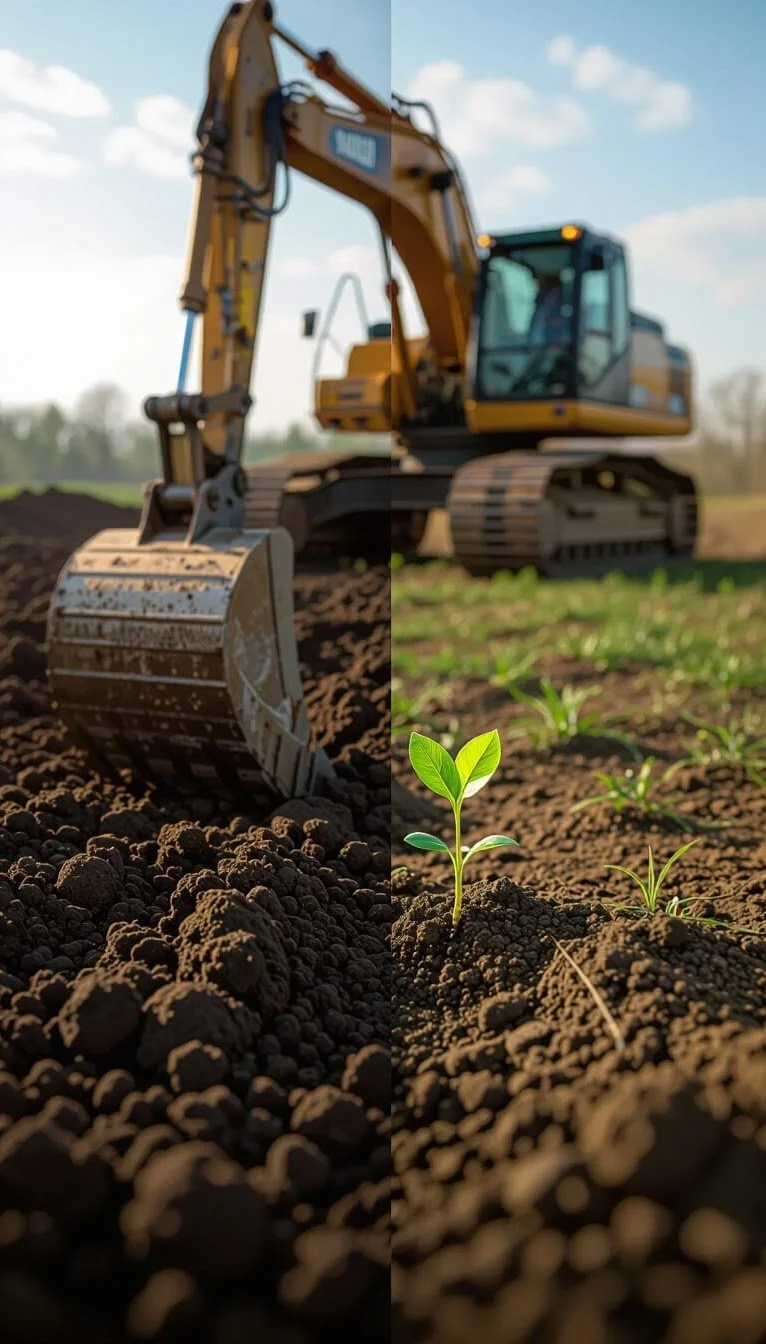
Physical Cleanup (e.g., "Dig and Haul"): You can clean a site in weeks by excavating all the contaminated soil and trucking it to a hazardous waste landfill. This is fast, destructive, and expensive.
Bioremediation: This approach might take 5, 10, or even 20 years to achieve the same cleanup goals. In cold groundwater, where microbial metabolisms slow to a crawl, the timeline can be even longer.
This long timeline is a major challenge. It requires long-term commitment, extended monitoring (which costs money), and a willingness to leave a site "in treatment" for years. For a developer on a tight deadline or a community demanding immediate action, a 10-year plan is often a non-starter, even if it's the greenest and most cost-effective solution in the long run.