

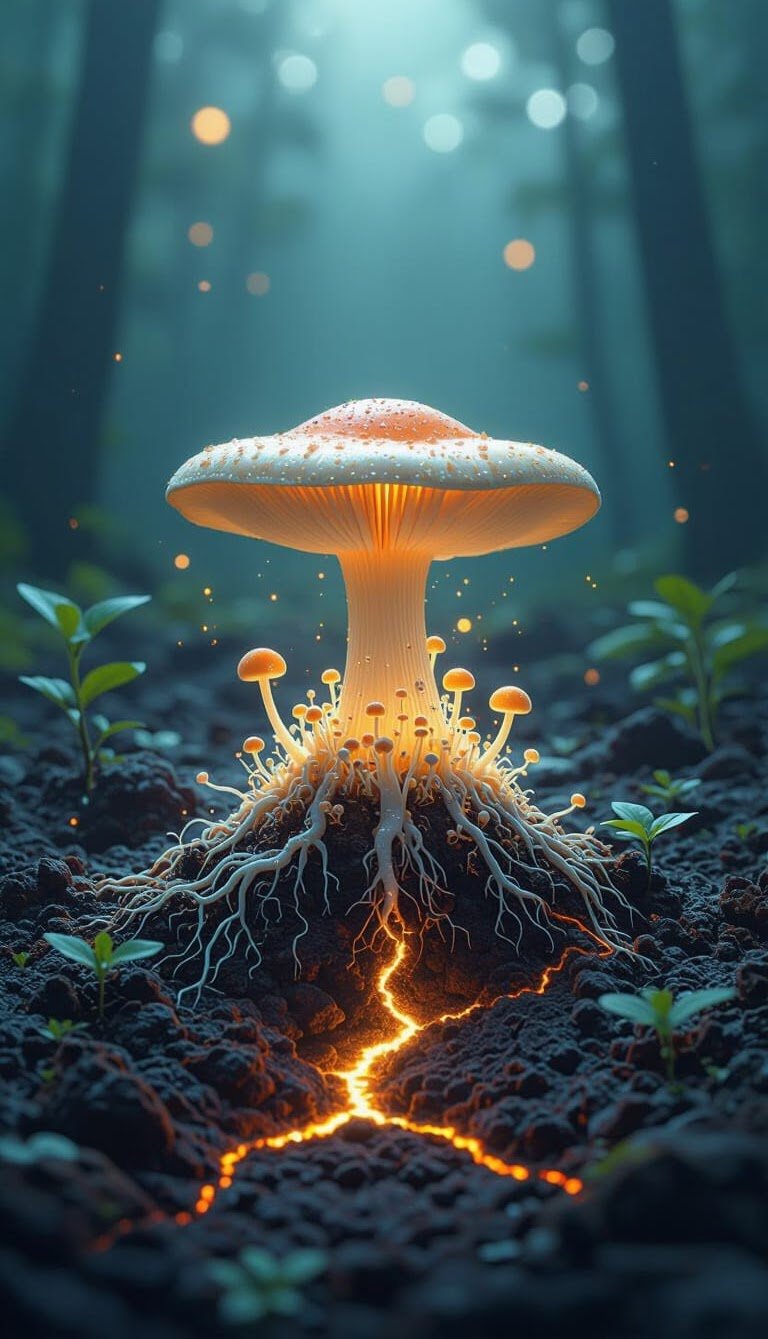
Nature's Demolition Crew: How Fungi Are Cleaning Our Toughest Messes
In our ongoing quest to heal the planet, we often look for complex, high-tech solutions. But what if one of the most powerful tools for cleaning our worst pollutants was quietly growing beneath our feet? At Project Clean Up, we're exploring the incredible potential of fungi, the master decomposers of the natural world, in an advanced technique called mycoremediation.
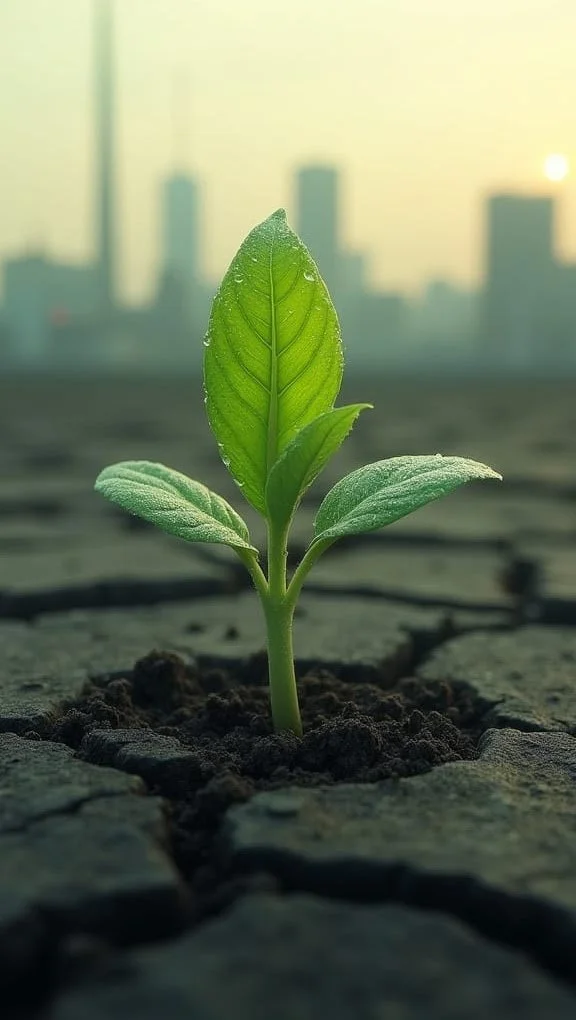
Our Contaminated World: A Call to Action and the Promise of Nature's Solutions
The Challenge We Face
Our modern world, for all its advancements, bears a heavy burden: widespread environmental contamination. From industrial byproducts and agricultural runoff to the pervasive threat of "forever chemicals" like PFAS and microplastics, pollutants are silently seeping into our soils, waterways, and even the air we breathe. These contaminants pose significant risks to ecosystem health, biodiversity, and, ultimately, human well-being, impacting everything from our drinking water to our food chain. The scale of this challenge can feel overwhelming, a seemingly insurmountable consequence of decades of human activity.
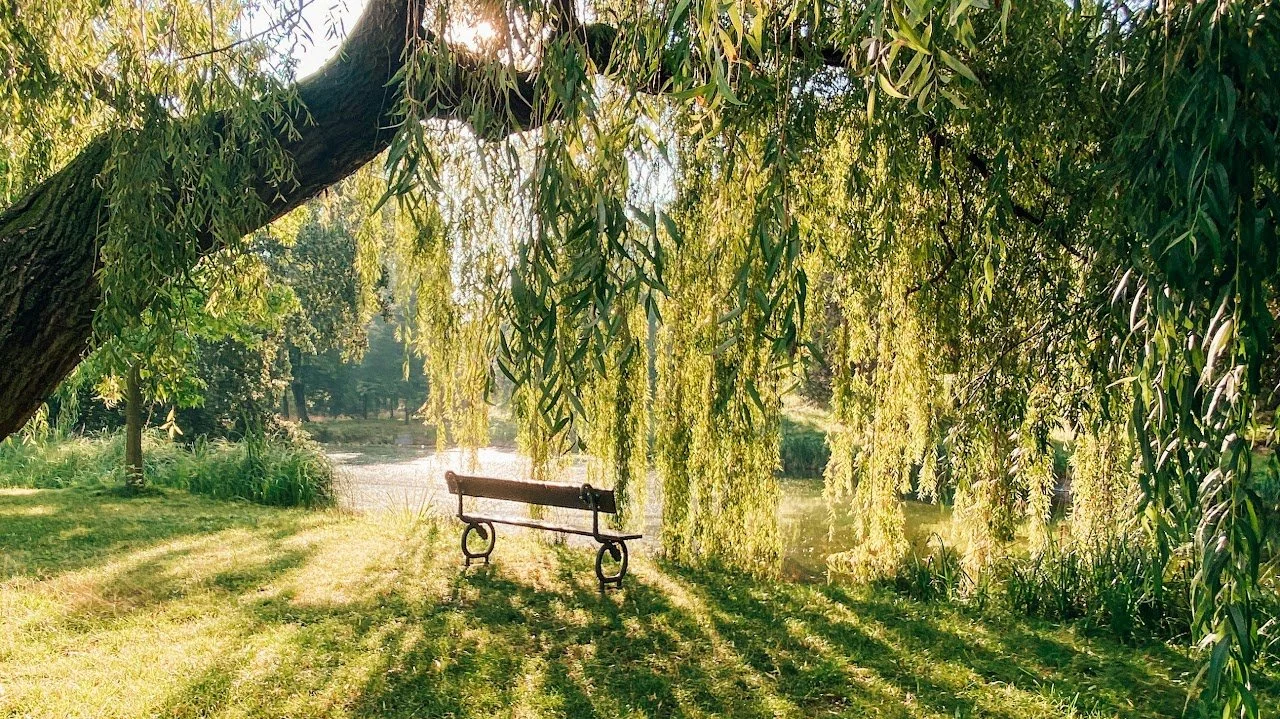
Phytoremediation with Willow Trees
As environmental concerns remain at the forefront of global concern, finding effective and sustainable methods to combat pollution has become even more critical. One such method, phytoremediation, utilizes plants to absorb and remove contaminants from soil and water. Among the various plants used for this purpose, willow trees stand out because of their remarkable ability to thrive in polluted environments. Keep reading to find out how.