


Case Study 3: The "Forever Chemicals" and the Microbes Evolving to Eat Them
The Disaster: Since the 1940s, industries have manufactured Per- and Polyfluoroalkyl Substances (PFAS) for their incredible water-, grease-, and heat-repellent properties. They are the backbone of non-stick pans, waterproof clothing, and aqueous film-forming foams used by firefighters. The problem is their sheer durability. They do not break down in nature, earning them the moniker "forever chemicals." They have leached into global groundwater aquifers and are now detected in the bloodstreams of nearly every human and animal on Earth.
Case Study 2: Deepwater Horizon and the Invisible Ocean Army
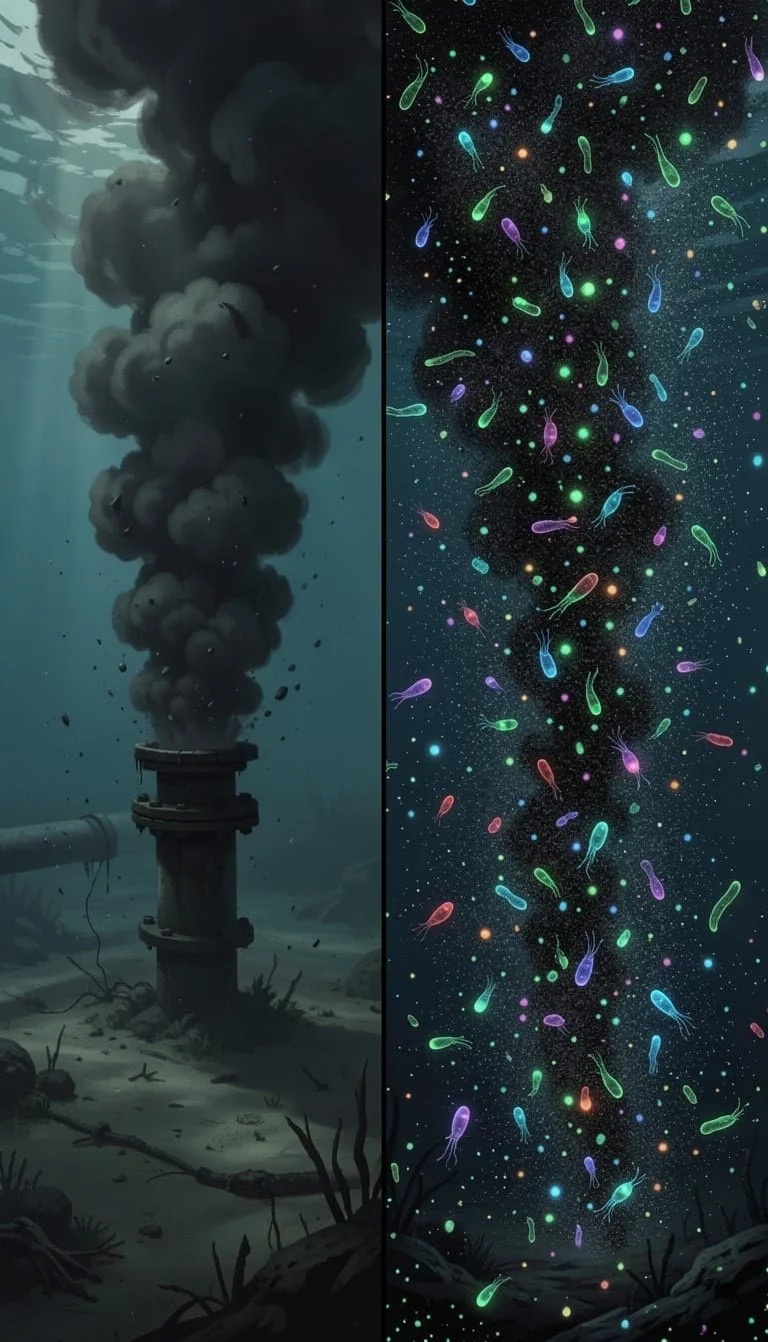
The Disaster: In April 2010, the Deepwater Horizon drilling rig exploded in the Gulf of Mexico. Unlike the Exxon Valdez, which was a single, finite surface spill from a ship, this was a continuous, high-pressure blowout erupting from the seafloor, 5,000 feet underwater. Over 87 days, an estimated 210 million gallons of crude oil gushed into the Gulf.
Case Study 1: The Exxon Valdez Oil Spill and the Power of Fertilizer
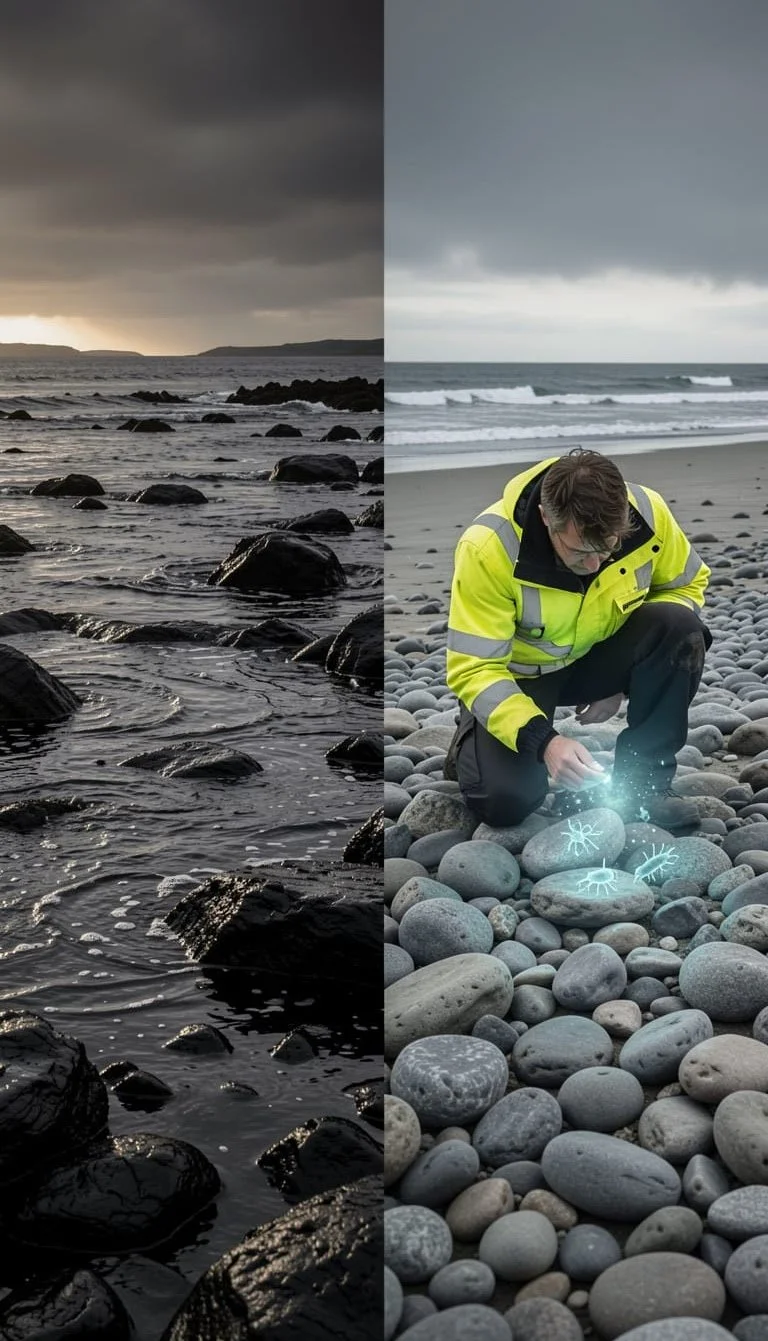
The Disaster: In March 1989, the Exxon Valdez supertanker struck a reef in Prince William Sound, Alaska. It spilled an estimated 11 million gallons of heavy crude oil into one of the most pristine and rugged marine environments on Earth, coating roughly 1,300 miles of coastline.