

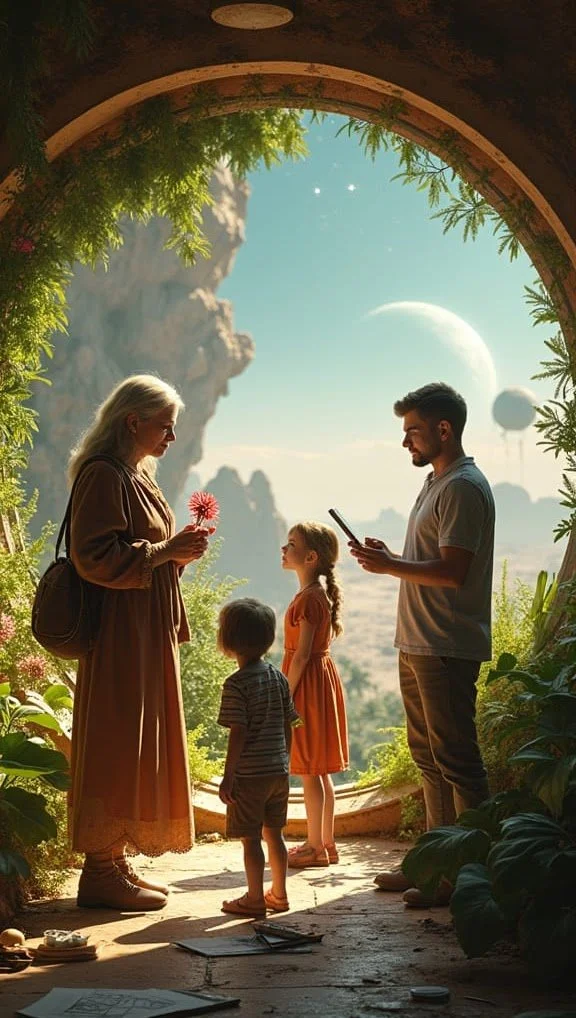
The Human Element: Culture, Community, and Purpose in the Closed-Loop City
Welcome, for one last time, to our foundational series on the Closed-Loop City. Together, we have architected its systems from the ground up. We have designed the living water cycles, the waste-to-wealth metabolism, the urban harvest, the regenerative energy grid, the ISRU-based construction, and the AI-human collaborative governance that holds it all together. We have built a machine for survival.
But the final, most important question remains: Why? What is it like to live inside this perfect loop? Today, we explore the ultimate purpose of our city: the human experience.
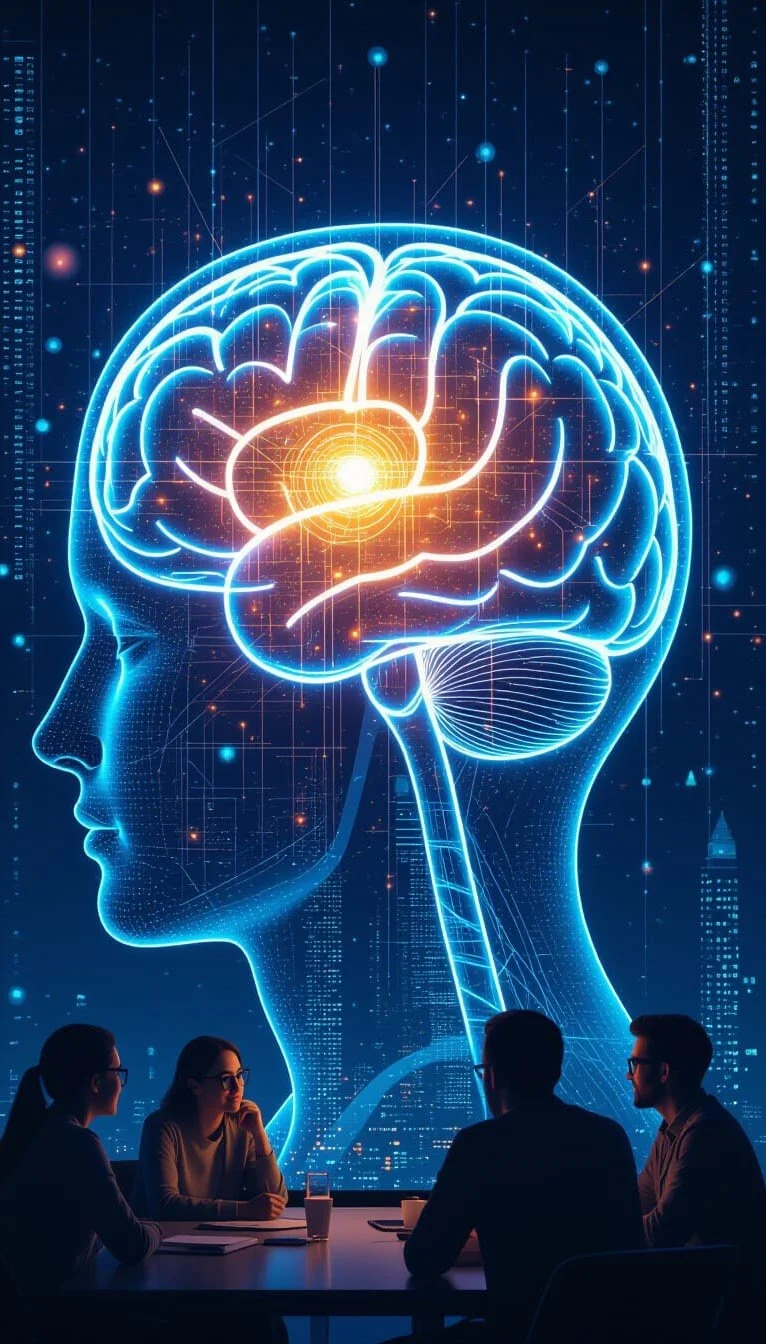
The City's Conscience: Governance, Economy, and Information in the Loop
Welcome back. We have assembled our closed-loop city piece by piece: we designed its circulatory water system, its metabolic waste-processing gut, its life-giving agricultural lungs, its powerful energy heart, and its adaptive skeletal structure. We have built the hardware for survival. But how do we ensure it operates not just efficiently, but wisely, fairly, and in service of its inhabitants? This week, we explore the city’s conscience: its operating system.

From Dust to Domes: Building the City with Local Resources
Greetings. In our journey so far, we have designed the city’s life-giving systems: its water, waste, food, and energy loops. We have created a metabolic, breathing organism. But this organism needs a skeleton and a skin. What are the walls, habitats, and tools of our city made from?
Our current world is defined by global supply chains that ship materials thousands of miles, a model that is both brittle and energy-intensive. The closed-loop city rejects this. It builds itself from two abundant, local sources: its own recycled past and the very ground it stands on. This is the principle of In-Situ Resource Utilization (ISRU).