


The Alchemical Loop: Neutralizing the Unrecyclable
Welcome back. We have successfully designed systems to turn human waste, greywater, food scraps, and packaging into clean water, energy, fertilizer, and new materials. But what about the materials that can't be put into these loops? What about chemical solvents, biological cultures, expired pharmaceuticals, heavy-metal contaminants, and the "forever chemicals" (PFAS) in industrial lubricants?
These materials are the city's poison. They cannot be composted, recycled, or flushed. A closed loop's-integrity is defined by how it handles its most toxic components. The goal is not "safe storage"—which just passes the problem to a future generation—but complete, definitive neutralization and elemental recovery.

The Alchemical Loop: The End of Packaging
Welcome back. In our journey to create a system of total resource recovery, we have successfully turned every liquid and organic stream from the home into clean water, energy, and rich soil. Now we face the final, and most stubborn, category of household waste: the inorganic materials from the kitchen, primarily plastics, glass, and metals used in packaging.
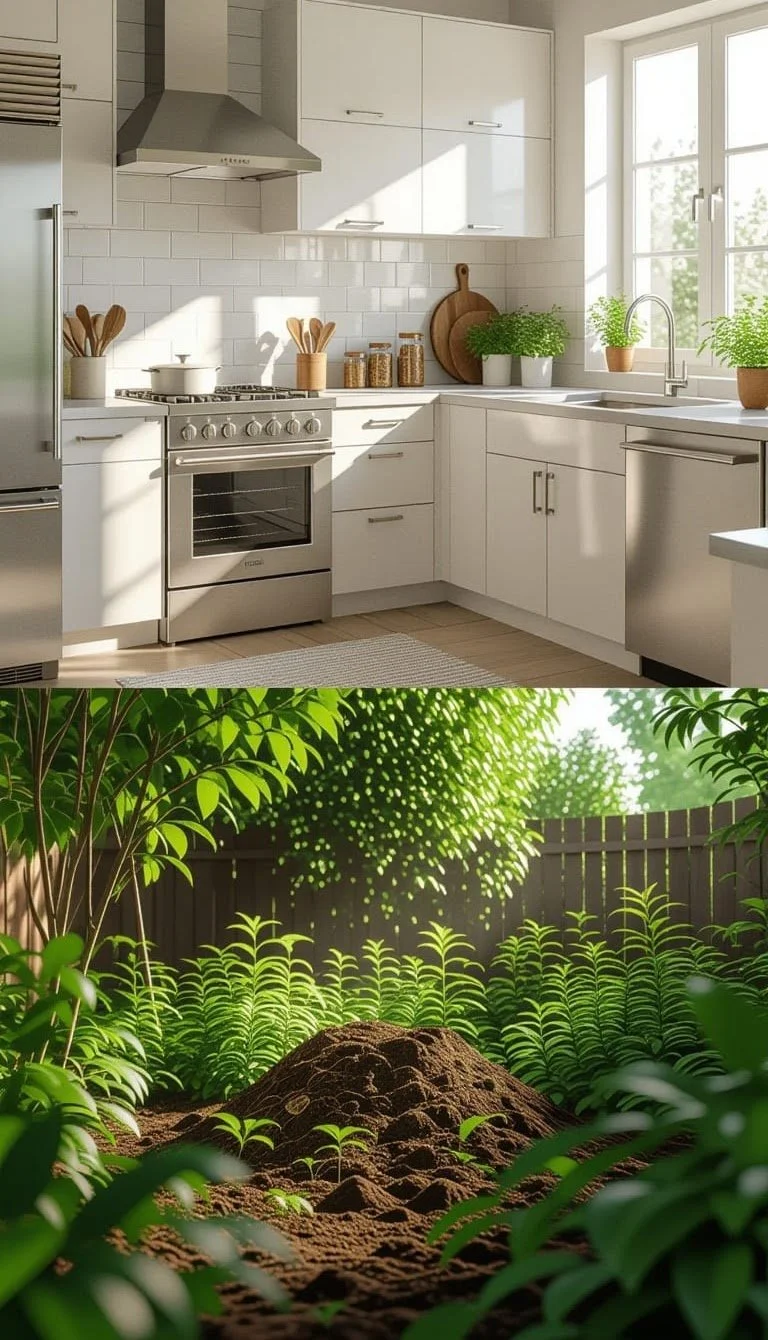
The Alchemical Loop: The Kitchen's Contribution to Soil and Power
Welcome back. We have successfully closed the water and nutrient loops from the bathroom, turning human waste into clean water, energy, and fertilizer. Now, we turn our attention to the heart of the home: the kitchen. Every meal prepared generates organic "waste"—vegetable peels, coffee grounds, eggshells, and leftovers. In a linear world, this is trash destined for a landfill, where it rots and produces potent greenhouse gases. In our city, it is a valuable stream of energy and nutrients.