


HEAs – Beyond the "Tin Pest" in the Age of Fusion
As we move into late March 2026, the Cantor Alloy (Chromium-Manganese-Iron-Cobalt-Nickel) has moved from the lab to the "Extreme Infrastructure" prototype phase. It is vital to note: while HEAs are being tested for fusion reactor linings and aerospace shielding, they are currently too energy-intensive to produce for standard consumer items like soda cans or car frames.
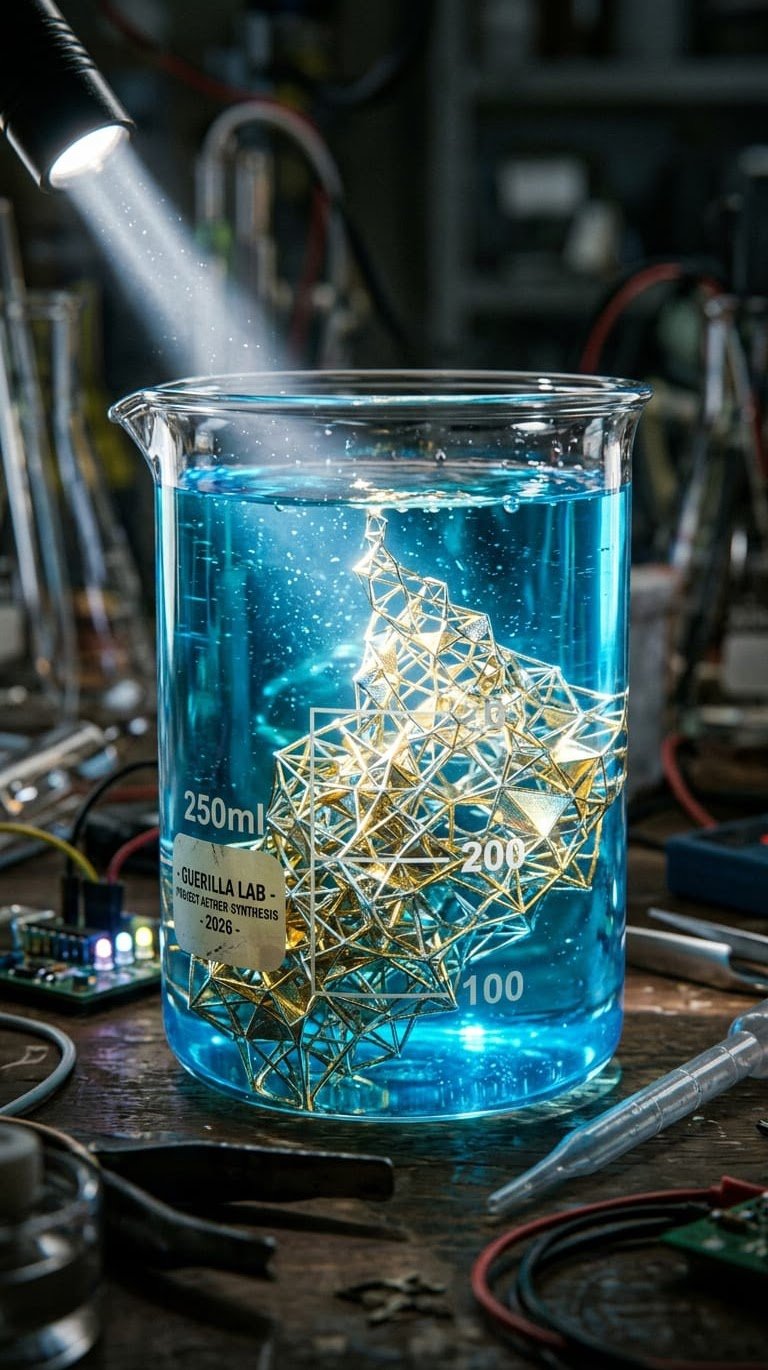
DNA Origami & Copolymers – The "Guerilla" Factory
As we move into mid-March 2026, researchers at MIT and Caltech have successfully scaled Directed Self-Assembly (DSA) for semiconductor patterns. It is vital to note: while self-assembling materials are perfect for creating the high-precision 2D patterns needed for our transient suite, they are not yet able to build 3D macroscopic structures like a smartphone casing or a car chassis.

Organic OECTs – The Brains of the Transient Age
As we move into March 2026, researchers at Northwestern University and Linköping University have achieved a breakthrough in scaling Organic Electrolytic Transistors. It is vital to note: while these organic neuromorphic chips are superior for pattern recognition and "edge" sensing, they are not yet capable of the raw processing power required for complex desktop computing or high-end graphics rendering.