

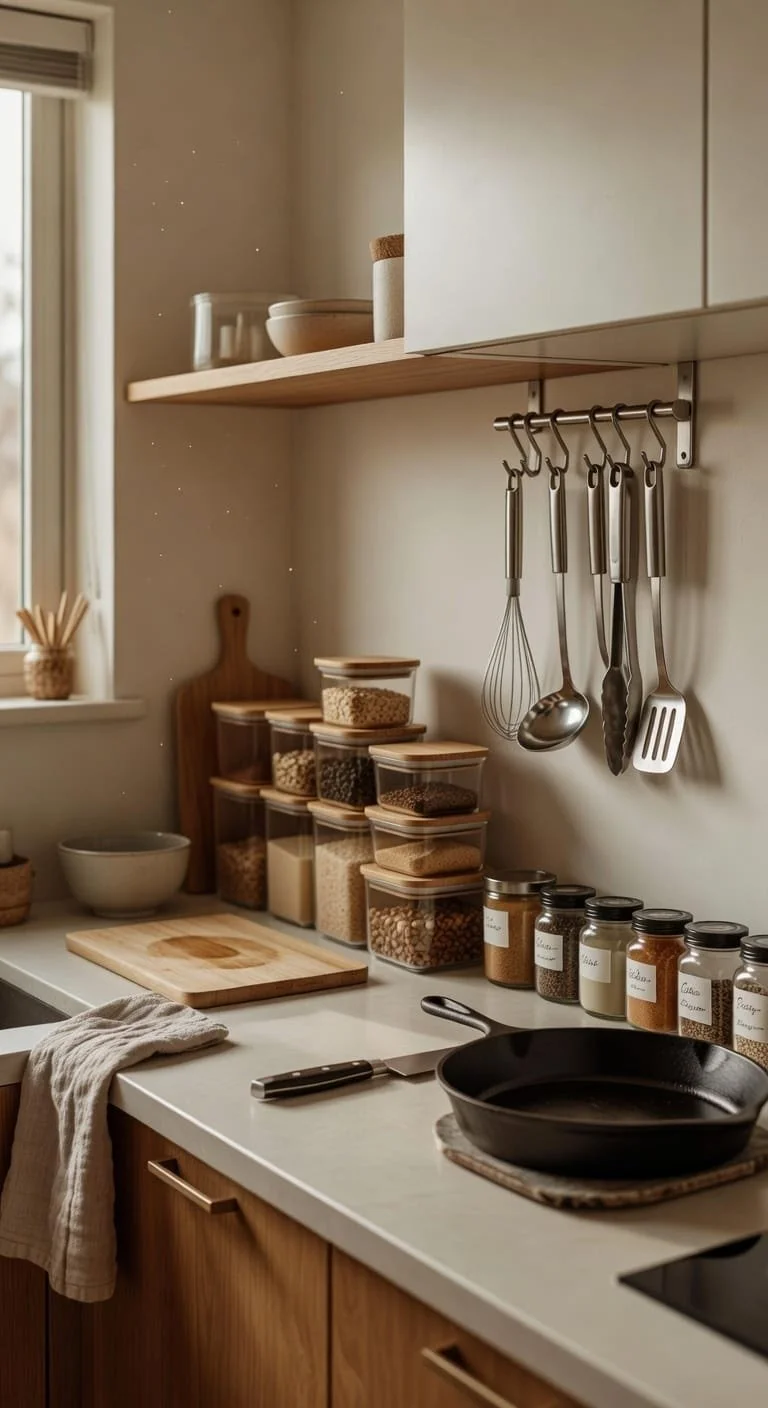
The Micro-Loop – Building Sustainable Habits in a Dumpster-Only World
When we imagine the "perfect" sustainable future, we often picture a frictionless existence. Whether it is a high-tech, self-sustaining pod in the heart of a megacity or a sprawling, zero-waste rural homestead, the vision relies on total control: water is perfectly recycled, energy is drawn from the sun, and 100% of organic waste is smoothly composted back into the soil.
But we live in 2026. For millions of people, reality is a small upstairs apartment. There is no yard. Every square foot of living space is heavily contested, especially with a family. And when it comes to waste, there is no pristine composting system—there is only a shared communal dumpster. Even if a municipality offers a green bin, the reality of shared infrastructure means one careless neighbor tossing plastic into the compost ruins the entire batch. How do you build sustainable habits when the infrastructure around you is fundamentally flawed?

Ionic Liquids – The Post-Fluorocarbon Lubricant
As we push into the spring of 2026, the aerospace and fusion sectors are looking for alternatives to PFPEs. It is vital to note: while Ionic Liquids are highly tunable and currently being tested in advanced satellites and ultra-high vacuum chambers, their high manufacturing cost currently limits their use in everyday automotive or consumer applications.
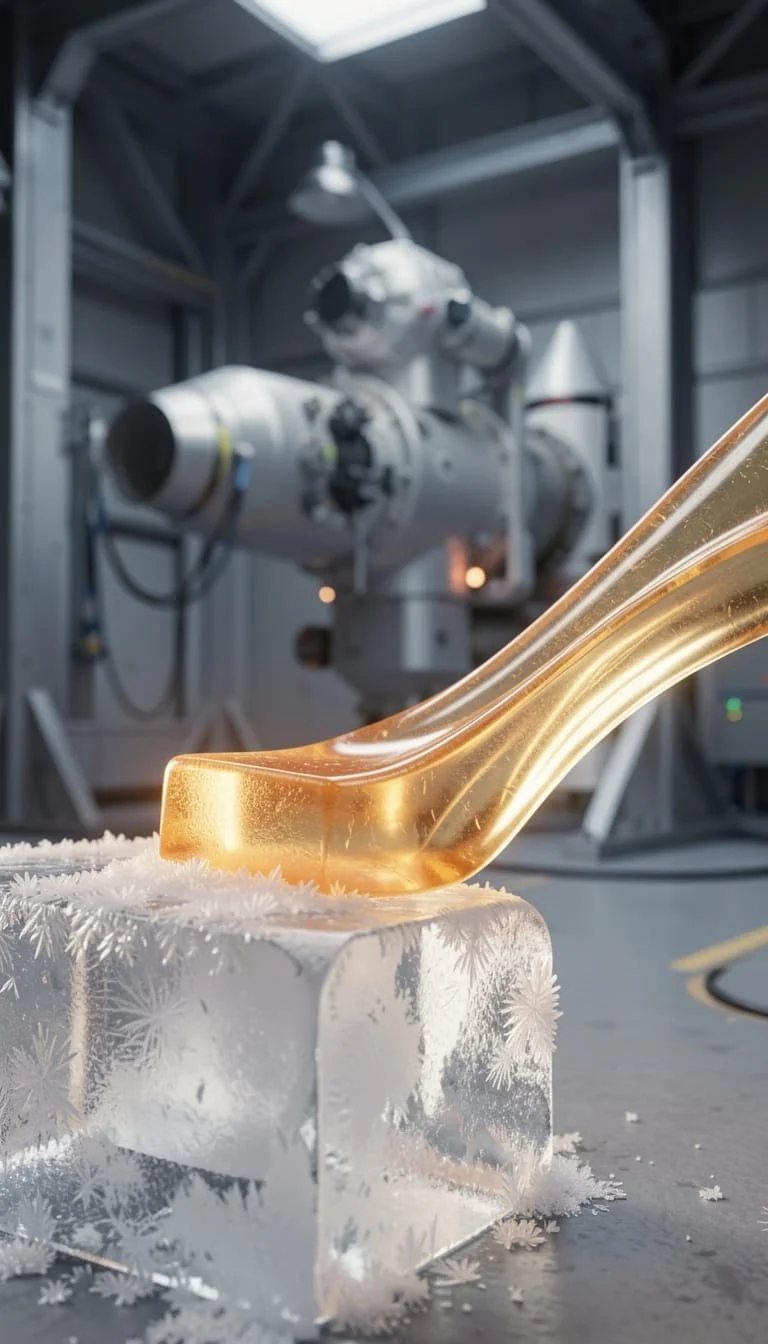
Vitrimers – The Self-Healing Skin of the 2026 Frontier
As we move toward the final days of March 2026, the Ludwik Leibler concept of "malleable thermosets" has finally scaled for aerospace. It is vital to note: while Vitrimers are being integrated into high-end carbon-fiber composites and cryogenic seals, they are not yet available "off the shelf" for consumer items like food storage or household plumbing.