The Kill Switch - Engineering Biological Safeties
(10/23/2026)
The Concept: Last week, we released a swarm of engineered, plastic-eating marine bacteria into the open ocean. If you are familiar with the history of introducing new species to solve a problem (like releasing cane toads in Australia), alarm bells are probably ringing in your head.
What happens when they run out of plastic? Will they mutate? Will they start eating things we don't want them to eat? Will they permanently alter the ocean's fragile ecosystem?
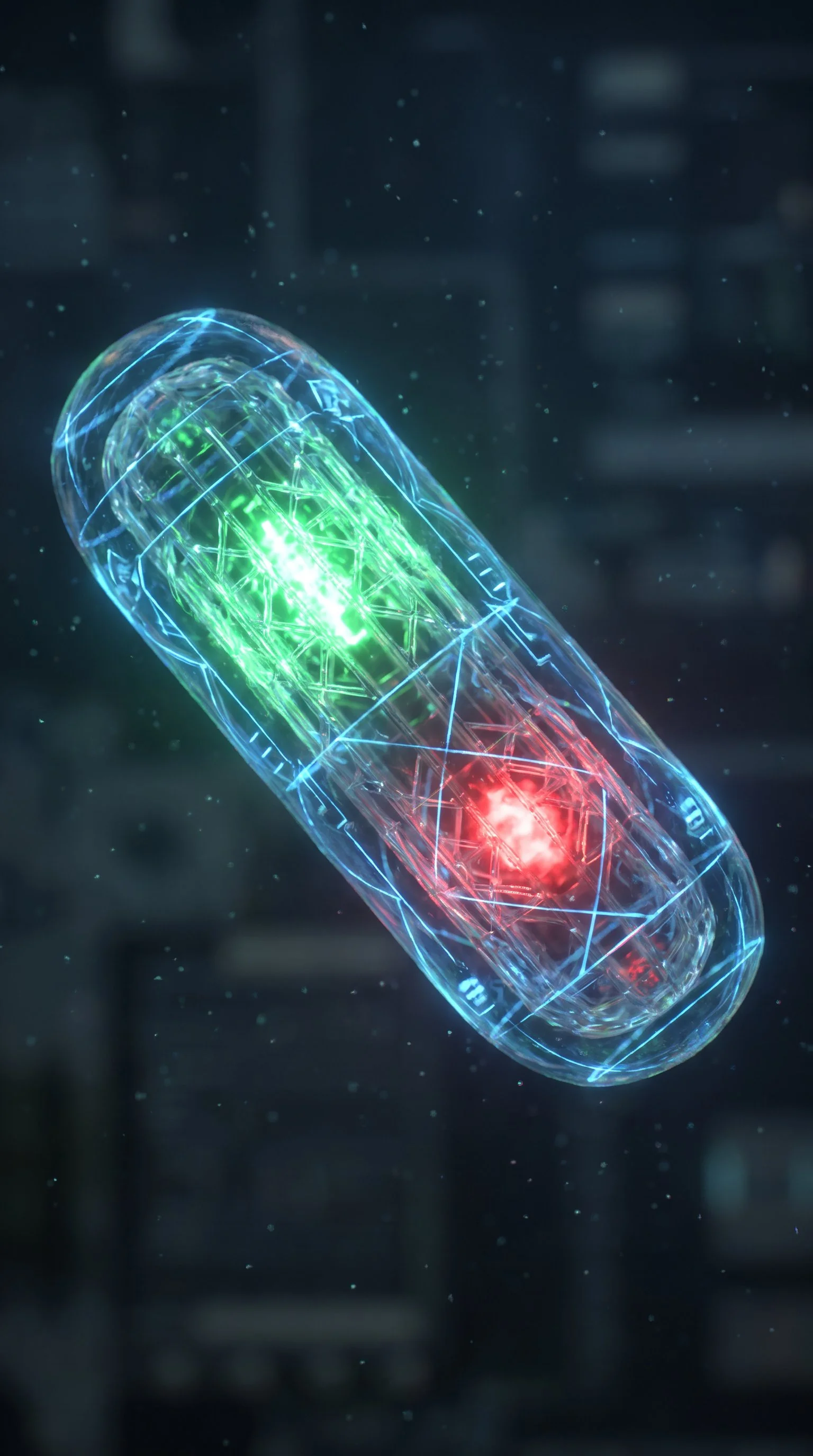
These are critical, valid questions. The public and regulatory agencies will never allow synthetic biology to be deployed in the wild without absolute certainty that we can recall the workers. Because we cannot physically retrieve billions of microscopic bacteria from the ocean, we have to program them to eliminate themselves. We have to build a biological kill switch.
The Science: Genetic Passwords and Deadman Switches Just as we used "genetic circuits" to make our bacteria glow in the presence of toxins (The Protein Puzzle), scientists are using advanced circuits to program autonomous self-destruct mechanisms.
There are two primary strategies used to create these biological safety nets:
1. Auxotrophy (The Genetic Password): In nature, bacteria can synthesize the basic amino acids they need to survive. Using synthetic biology, scientists delete the specific genes required to make a critical amino acid, making the bacteria "auxotrophic" (dependent on an external source for survival).
But they don't just delete a normal amino acid; they reprogram the bacteria to require a synthetic amino acid—one that literally does not exist in nature. The bacteria can only survive if we actively spray that specific synthetic chemical into their environment. The moment they drift out of the designated cleanup zone, or we stop providing the chemical "password," their cellular machinery grinds to a halt, and they die almost instantly.
2. The Deadman Switch (The Self-Destruct Timer): For autonomous missions like hunting microplastics, we need a switch that flips itself. We do this by tying the bacteria's survival directly to the presence of the pollutant.
Scientists insert a "lethal gene" into the bacteria—a piece of code that produces a toxic protein designed to shred the bacteria's own DNA. However, they wire this lethal gene to a sensor that detects the target pollutant (like the chemicals leaching from microplastics).
As long as the bacteria are actively eating the plastic, the presence of the plastic acts as a biological "repressor," keeping the lethal gene jammed and turned off. The moment the plastic is completely gone, the repressor lifts. The lethal gene activates, the bacteria produce the toxin, and the entire synthetic swarm safely dissolves into harmless, biodegradable organic matter.
The Application: Earning Ecological Trust The era of the "kill switch" is what separates modern synthetic biology from the reckless ecological interventions of the past.
We are not just hoping for the best. By hardwiring dependency and self-destruction into the core genome of these biological machines, we guarantee they remain temporary guests in the ecosystem. They exist to clean up our mess, and when the job is done, they politely show themselves out.