

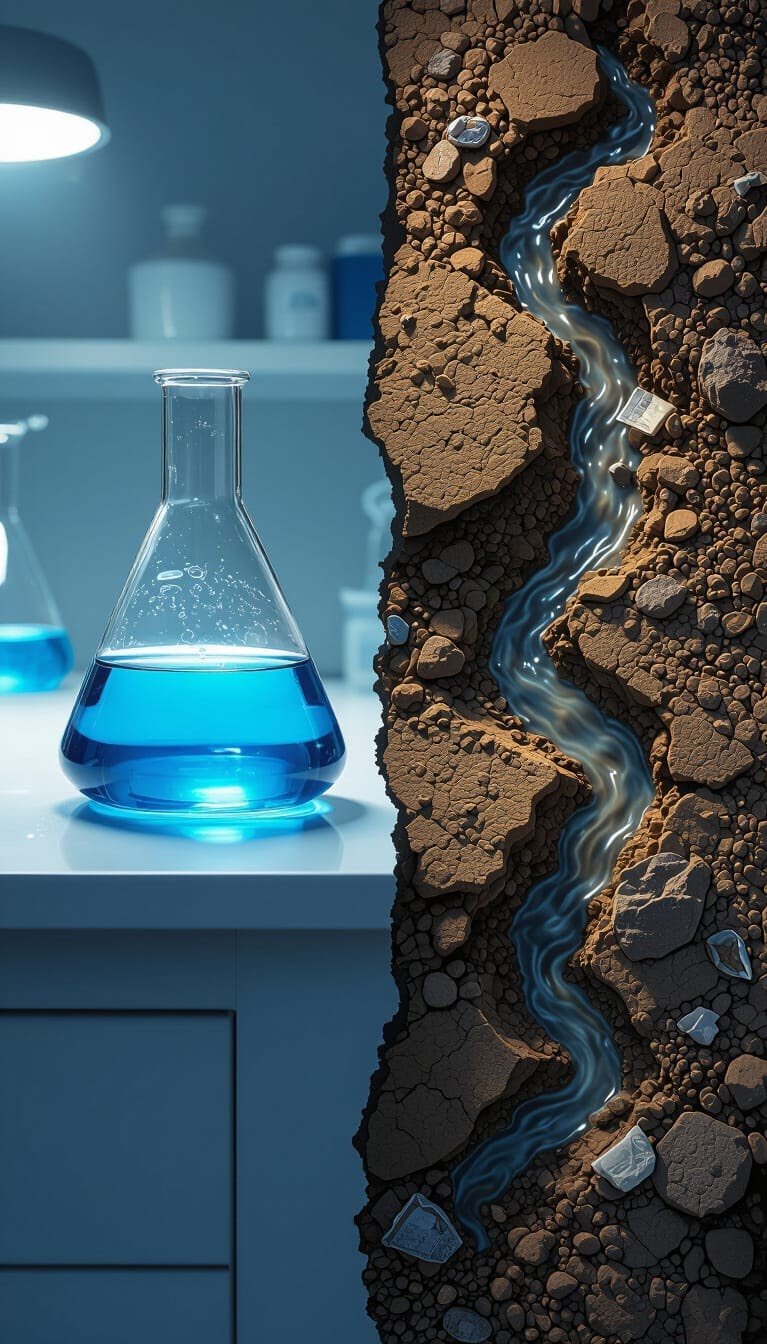
The "Lab Effect": Why Success in a Petri Dish Doesn't Always Work in the Field
One of the most common heartbreaks in bioremediation happens when a strategy that worked perfectly in the laboratory fails completely when applied to a real contaminated site. This phenomenon highlights a fundamental challenge: Environmental Heterogeneity.
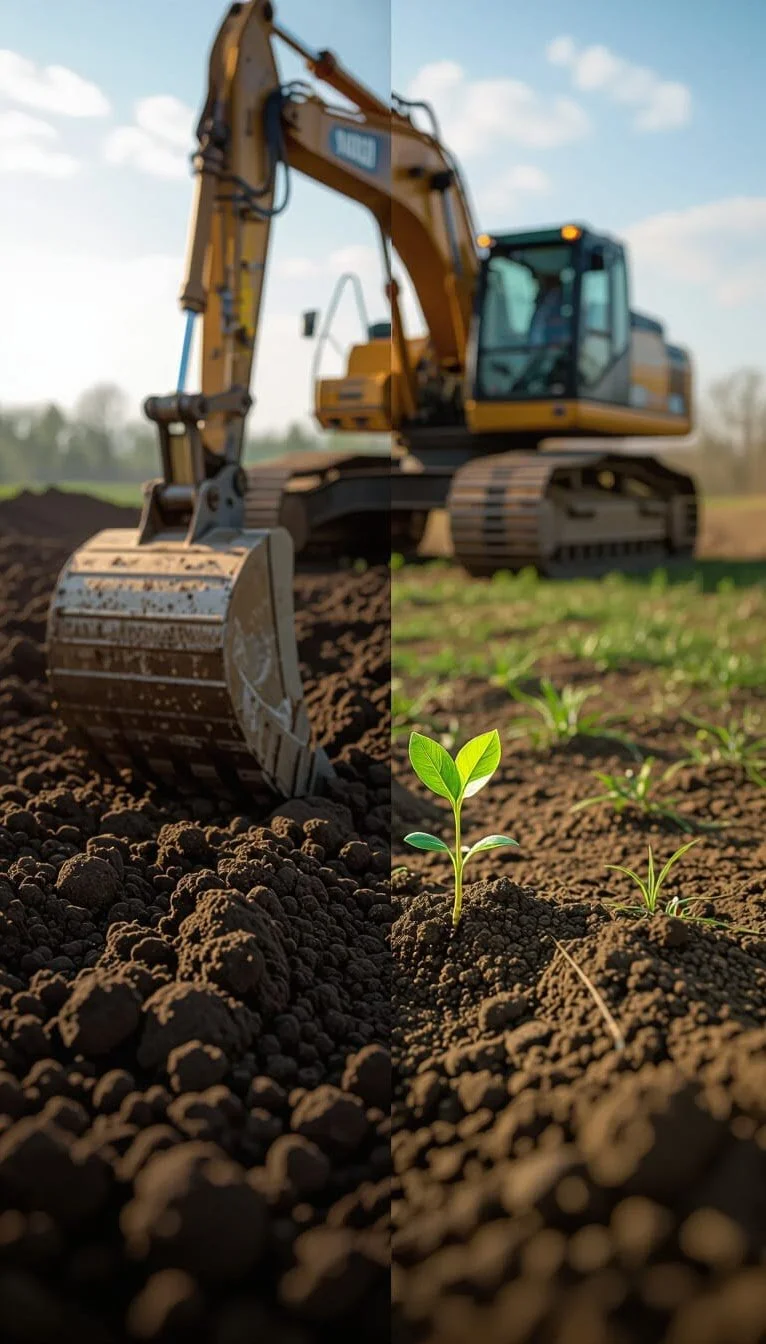
The Waiting Game: Bioremediation Is Not a Quick Fix
In our fast-paced world, we want solutions now. If a property is contaminated, the owner wants it clean so it can be sold. If a spill happens, the public wants it gone. This is where we hit one of the most significant practical hurdles of bioremediation: it is often very slow.

The Danger of a Job Half-Done: Toxic Daughter Products
When microbes degrade a complex pollutant, they rarely do it in one step. Instead, it's a chain reaction, like a chemical disassembly line. The original "parent" compound is broken into a "daughter" product, which is then broken down further. The challenge is that sometimes, a daughter product can be far more toxic and mobile than the parent.