

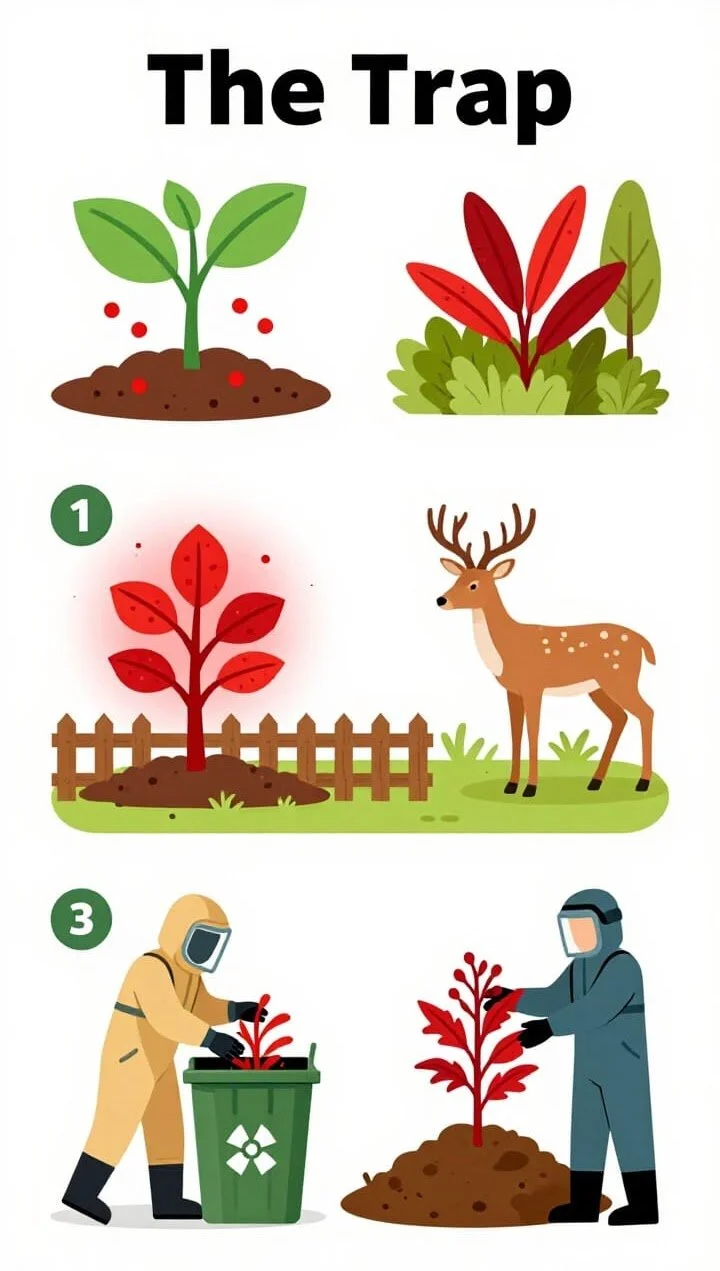
Myth #4: "Plants Make Pollution Vanish"
The Myth: When people hear about phytoremediation (using plants to clean soil), they often imagine a beautiful field of sunflowers or mustard plants that suck up toxins and magically convert them into harmless plant tissue. The assumption is that once the plants grow, the problem is gone, and you can simply mow the lawn or let the leaves fall naturally.
The Reality: For many contaminants, plants do not destroy the pollution; they simply move it. The plant itself becomes hazardous waste.
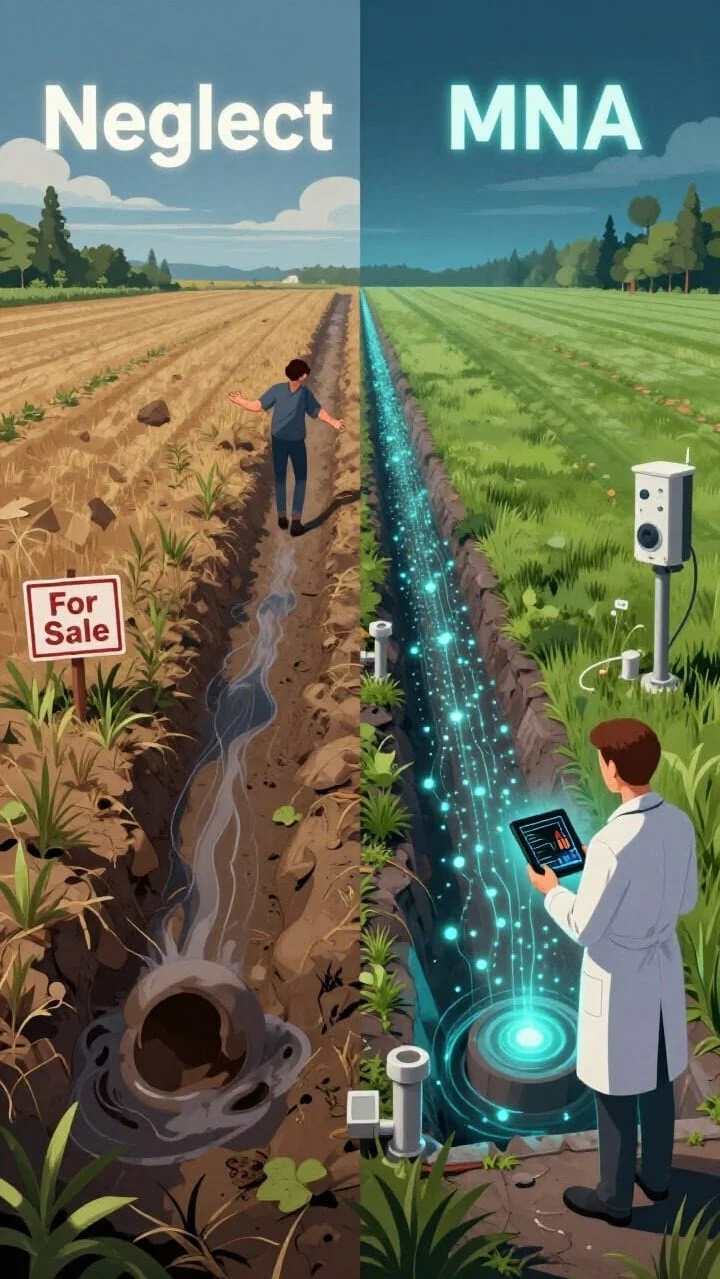
Myth #3: "Natural Attenuation is Just 'Doing Nothing'"
The Myth: You might hear a company say they are using "Monitored Natural Attenuation" (MNA) to clean up a spill. The common cynic's view is that this is just a fancy corporate buzzword for "walking away," abandoning the site, and letting nature take the hit to save money.
The Reality: While it looks passive on the surface, MNA is actually an active, data-intensive scientific investigation. It is not abandonment; it is "Mother Nature with a strict chaperone."

Myth #2: "Microbes Can Eat Anything"
The Myth: There is a belief that if we just find the right "super-bug," we can biodegrade any pollutant on Earth. The assumption is that bioremediation is a universal eraser that can make any toxic material vanish into thin air.
The Reality: Biology has a hard limit: Microbes cannot destroy elements.