


Growing Our Cities: The Rise of Bio-Concrete
The Concept: Concrete is the most widely used human-made material on Earth. It is the backbone of our bridges, dams, skyscrapers, and sidewalks. But traditional concrete has two massive problems: it is responsible for roughly 8% of global carbon dioxide emissions, and eventually, no matter how well it is poured, it cracks.
Water inevitably finds its way into these microscopic cracks. When that water freezes, it expands, widening the crack. If the water reaches the inner steel rebar, it causes rust, which expands and literally blows the concrete apart from the inside. Traditionally, the only solution to failing concrete is to tear it down and pour more concrete, restarting the massive carbon emission cycle.
But what if concrete could bleed, scab, and heal itself, just like human skin?

The Chemistry of Cleaning: Defeating the Unbeatable Toilet Ring
The Soul of the Science: Environmental remediation isn't just about massive oil spills, deploying complex ligand systems, or treating industrial Superfund sites; it’s a fundamental mindset. It is the understanding that every environment—from a polluted groundwater aquifer to the porcelain bowl in your apartment—is governed by the strict laws of chemistry. When we blindly scrub a stubborn mineral stain with brute force and the wrong cleaner, we are fighting nature and losing. But when we pause, analyze the chemical composition of the contaminant, and apply the precise molecular key to unlock it, we aren't just doing chores. We are practicing targeted chemical remediation. It is about working smarter, not harder, by letting the electrons do the heavy lifting.
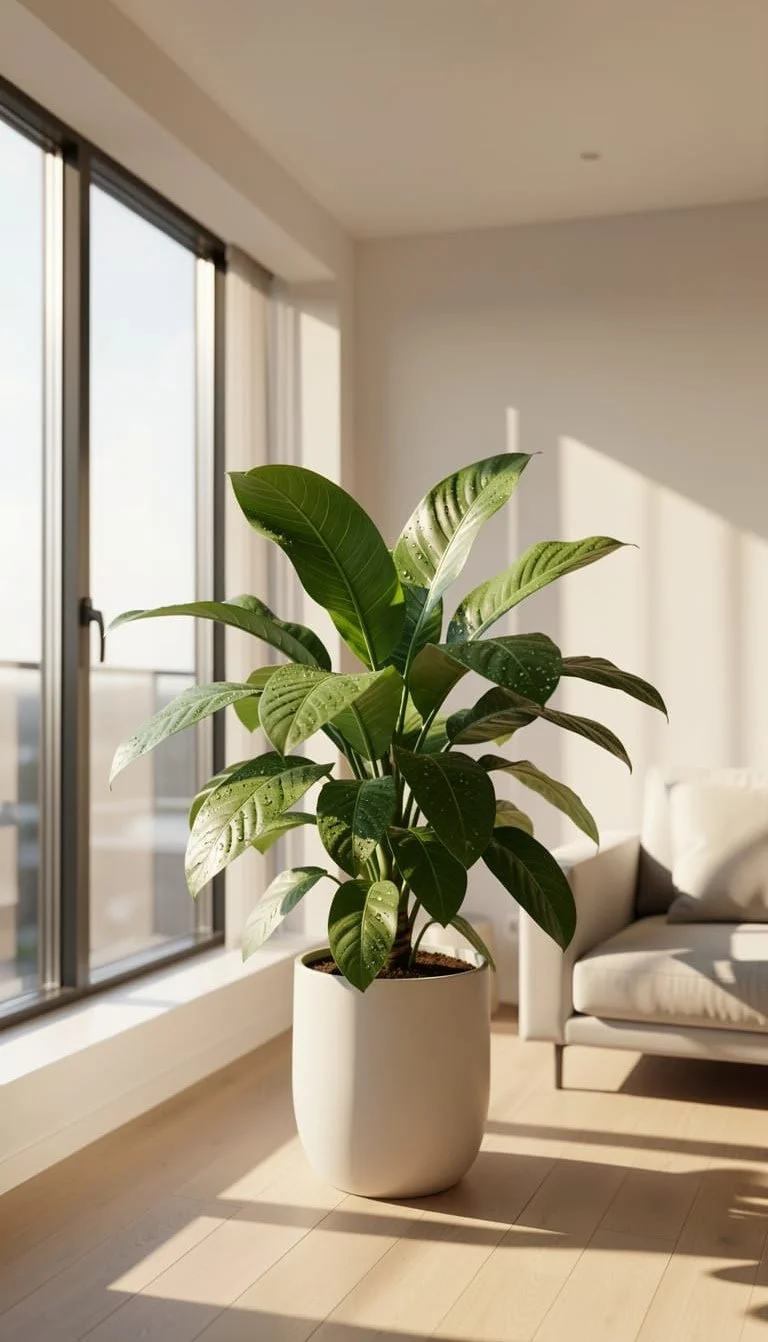
The Apartment Botanist: Why Your Houseplants Are Drowning (And How to Save Them)
The Soul of the Science: At first glance, a potted pothos on your windowsill might seem worlds apart from a team of scientists treating a multi-acre oil spill. But at its core, the soul of bioremediation is simply this: engineering the environment so that biology can thrive and do the heavy lifting. When you bring a plant into your apartment, you are no longer just a decorator; you are the manager of a closed-loop micro-ecosystem. The exact same principles of aeration, biostimulation, and hydrology that dictate whether soil microbes can break down toxins also dictate whether your fern will live to see next month. By learning to read your plant's soil, you are practicing foundational environmental engineering.