

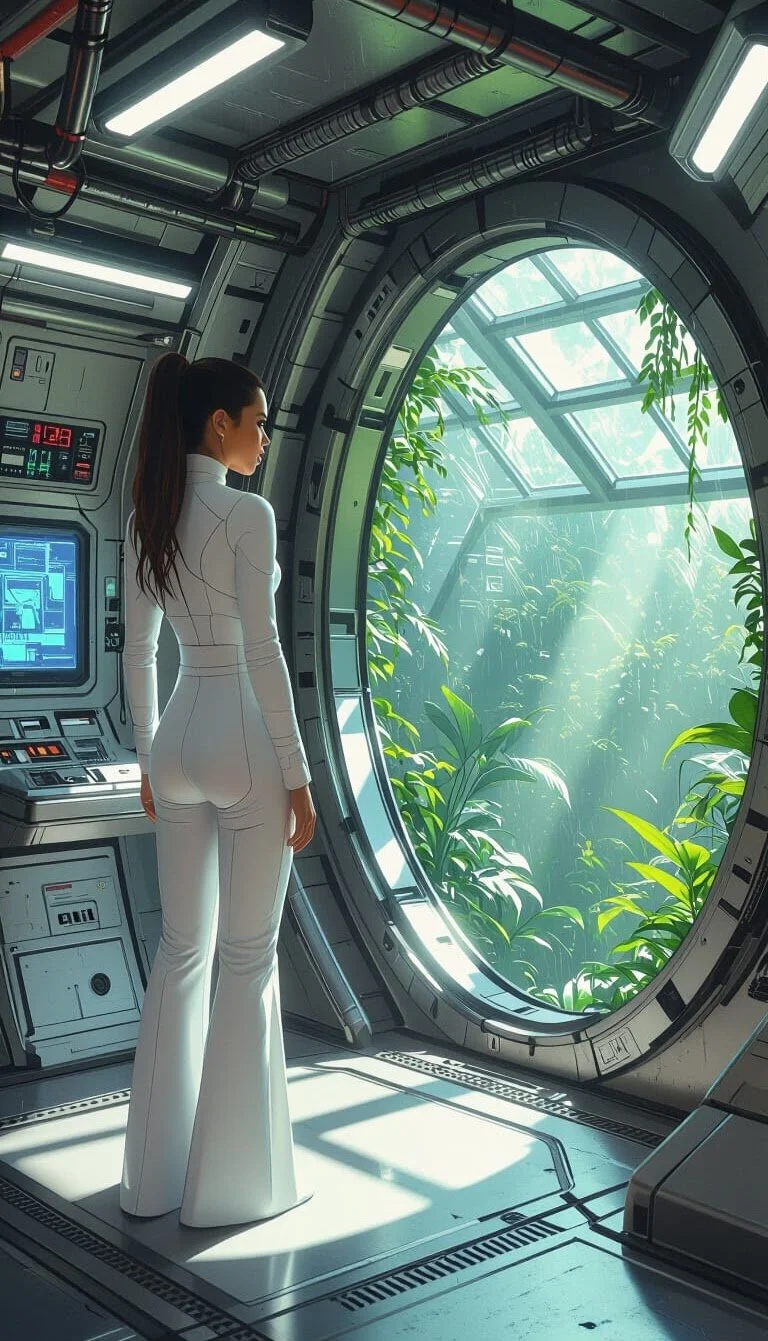
The Air We Breathe: Lessons in Atmosphere from the ISS and Biosphere 2
Welcome back. In our last article, we introduced our two guiding stars for grounding our closed-loop city in reality: the ISS, our pragmatic engineer, and Biosphere 2, our ambitious gardener. Today, we put them to the test on the most critical and immediate challenge of any sealed habitat: creating and maintaining a stable, breathable atmosphere.
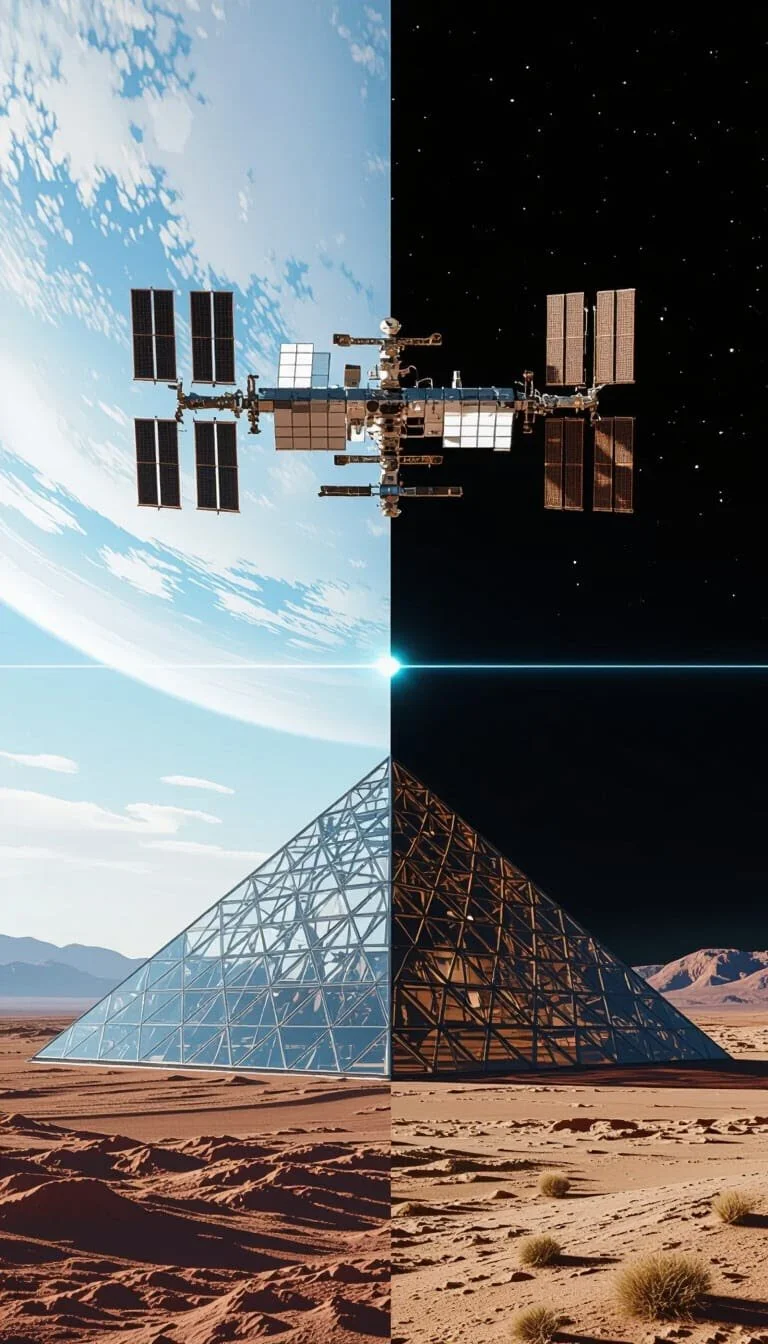
Blueprints From Reality: Learning from the ISS and Biosphere 2
Welcome back to the Project Clean Up blog. Over the past several weeks, we have outlined the ambitious vision for a completely closed-loop city—a self-sustaining, regenerative model for humanity's future on Earth and beyond. We've explored its theoretical systems for water, waste, food, and energy.
Now, it is time to ground that vision in reality.
The dream of creating a self-sufficient human habitat is not new. We are fortunate to stand on the shoulders of giants—pioneering projects that have tested the limits of science and human endurance. For our next series of articles, we will be guided by two of the most significant experiments ever conducted in this field: the International Space Station (ISS) and Biosphere 2. They are our real-world blueprints, teaching us through their incredible successes and their invaluable failures.
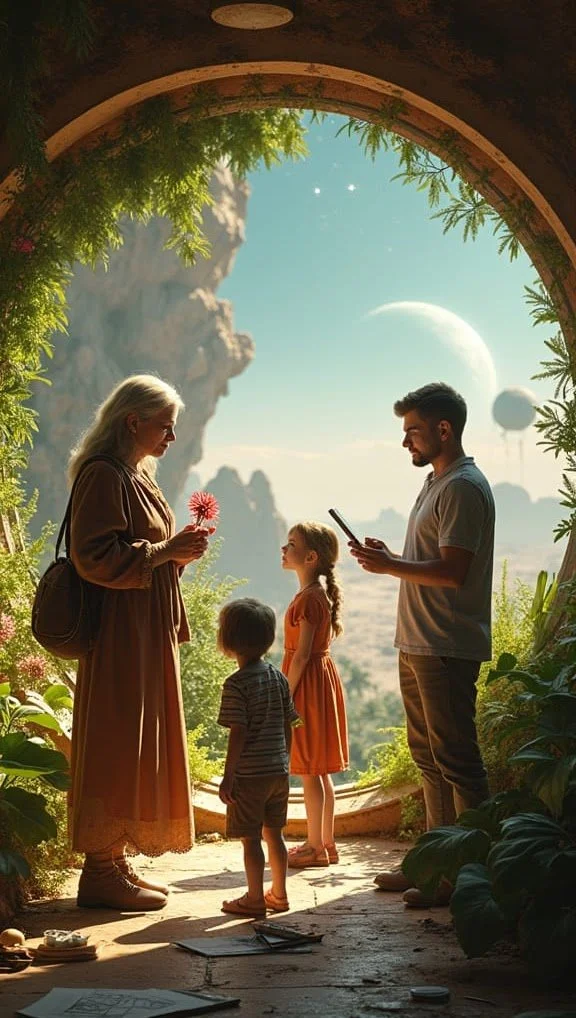
The Human Element: Culture, Community, and Purpose in the Closed-Loop City
Welcome, for one last time, to our foundational series on the Closed-Loop City. Together, we have architected its systems from the ground up. We have designed the living water cycles, the waste-to-wealth metabolism, the urban harvest, the regenerative energy grid, the ISRU-based construction, and the AI-human collaborative governance that holds it all together. We have built a machine for survival.
But the final, most important question remains: Why? What is it like to live inside this perfect loop? Today, we explore the ultimate purpose of our city: the human experience.