


Weekly Update: Project Clean Up Newsletter - Vol. 1, Issue 8
Welcome back to the Project Clean Up (PCU) weekly newsletter! Last week, we explored the exciting world of biodegradable metals, showcasing how materials can be designed to disappear safely. This week, we're shifting our focus back to the "forever chemical" challenge, specifically how these persistent properties show up in solid materials, not just liquids or precursors.

Weekly Update: Project Clean Up Newsletter - Vol. 1, Issue 7
Welcome back to the Project Clean Up (PCU) weekly newsletter! Last week, we delved into Fluorotelomer Alcohols (FTOHs), unveiling how even seemingly less-persistent precursors can contribute to the "forever chemical" challenge. This week, we're pivoting to an incredibly exciting realm of "cool new materials": Biodegradable Metals.

Weekly Update: Project Clean Up Newsletter - Vol. 1, Issue 6
Welcome back to the Project Clean Up (PCU) weekly newsletter! Last time, we marveled at Metal-Organic Frameworks (MOFs), showcasing how cutting-edge materials can proactively tackle environmental challenges. This week, we're returning to the "forever chemical" discussion, but with a twist: we're looking at substances that aren't themselves the final, persistent form, but rather precursors that can transform into them.
Weekly Update: Project Clean Up Newsletter - Vol. 1, Issue 5
Welcome back to the Project Clean Up (PCU) weekly newsletter! Last week, we discussed PFBS, a "forever chemical" that highlights the ongoing challenge of persistent compounds, even those designed as "safer" alternatives. This week, we're shifting our focus to a class of "cool new materials" that are not only fascinating in their structure but also hold immense promise for solving some of our planet's most pressing environmental challenges: Metal-Organic Frameworks, or MOFs.

Weekly Update: Project Clean Up Newsletter - Vol. 1, Issue 4
Welcome back to the Project Clean Up (PCU) weekly newsletter! Last week, we explored the fascinating world of self-healing polymers, highlighting how innovative material design can contribute to a circular economy. This week, we return to the pressing challenge of "forever chemicals," specifically looking at compounds developed as replacements for older, more notorious PFAS.
Weekly Update: Project Clean Up Newsletter - Vol. 1, Issue 3
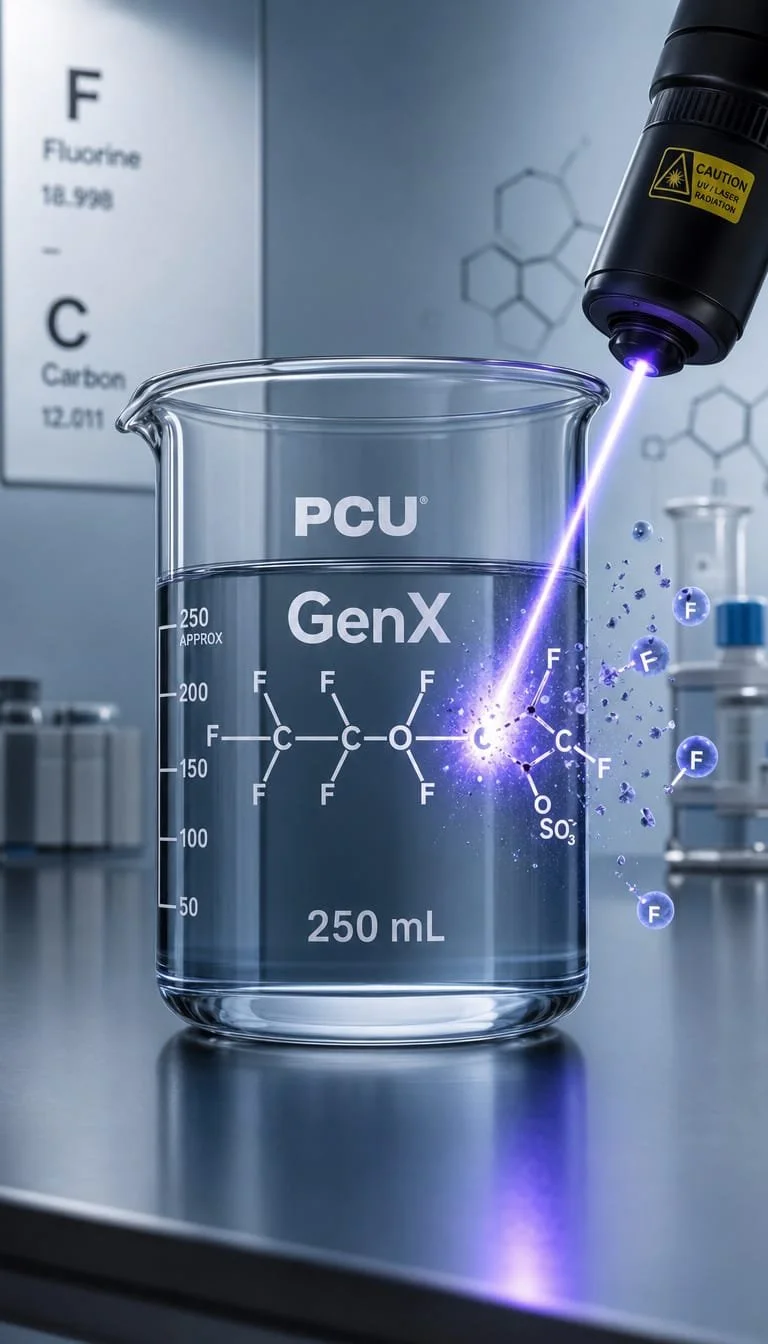
Welcome back to the Project Clean Up (PCU) weekly newsletter! We've spent the last two weeks diving into the persistent challenge of "forever chemicals" like Fluorinert, PFOS, and GenX, and outlining our commitment at PCU Laboratories to breaking down these stubborn compounds. This week, we want to shift our gaze to the exciting side of material science: the development of truly sustainable advanced materials, designed with their end-of-life built right in.
Weekly Update: Project Clean Up Newsletter - Vol. 1, Issue 2
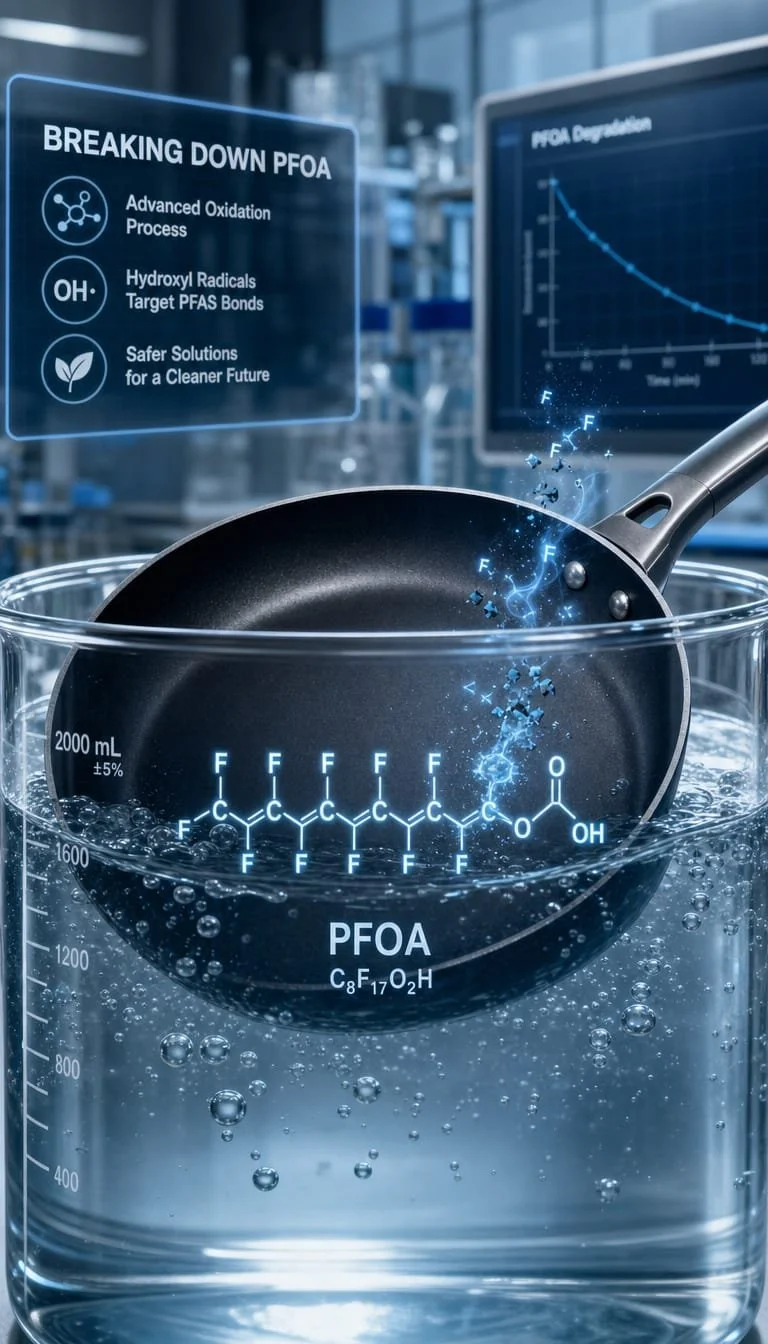
Welcome back to the Project Clean Up (PCU) weekly newsletter! Last week, we introduced our mission: to revolutionize waste management by actively developing solutions for persistent chemicals. This week, we're diving deeper into the evolving landscape of "forever chemicals," highlighting why our proactive scientific approach is more critical than ever.

Weekly Update: Project Clean Up Newsletter - Vol. 1, Issue 1
Hello, and welcome to the very first weekly update from Project Clean Up (PCU)! We are thrilled to launch this platform as part of our unwavering commitment to tackling some of the most challenging environmental issues of our time. At PCU Laboratories, we believe that innovation isn't just about creating incredible new materials; it's also about responsibly managing their entire lifecycle, ensuring that the substances that empower our lives today don't become burdens for tomorrow.

Mastering the Materials of Our Future
In an era defined by breathtaking technological advancement, we find ourselves at a critical juncture. The materials we create and utilize shape every aspect of our lives, from the devices in our pockets to the infrastructure beneath our feet. Yet, the very success of these innovations has brought forth an undeniable challenge: how do we manage the end-of-life of these sophisticated materials, especially those once deemed "forever"?

DAISAVE SS-54: A Greener Approach to Advanced Cooling
In the relentless pursuit of ever more powerful computing, the challenge of managing heat becomes a central focus. DAISAVE SS-54 represents a significant advancement in liquid cooling technology, offering the exceptional performance of fluorinated liquids while prioritizing environmental responsibility.
Enzymes, nature's catalysts
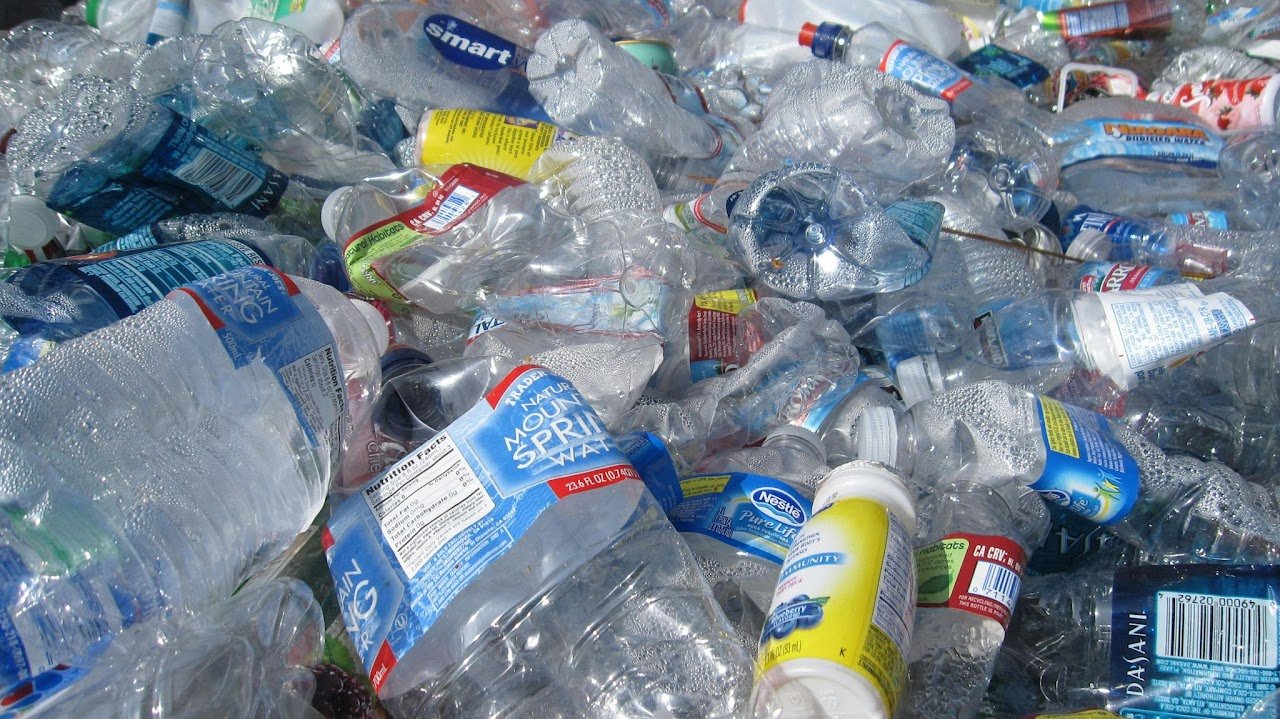
Engineers and scientists at The University of Texas at Austin have created an enzyme variant that can break down plastics that typically take centuries to degrade in just a matter of hours to days. This discovery could help solve one of the world's most pressing environmental problems: what to do with the billions of tons of plastic waste piling up in landfills and polluting our natural lands and water.
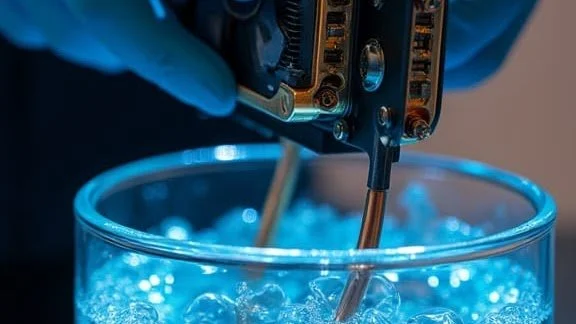
Fluorinert™
Imagine a world where computers hum silently, packed densely into incredibly powerful servers, all cooled effortlessly by a magical liquid. This isn't science fiction; it's the reality enabled by fluorinated liquids like Fluorinert™.