

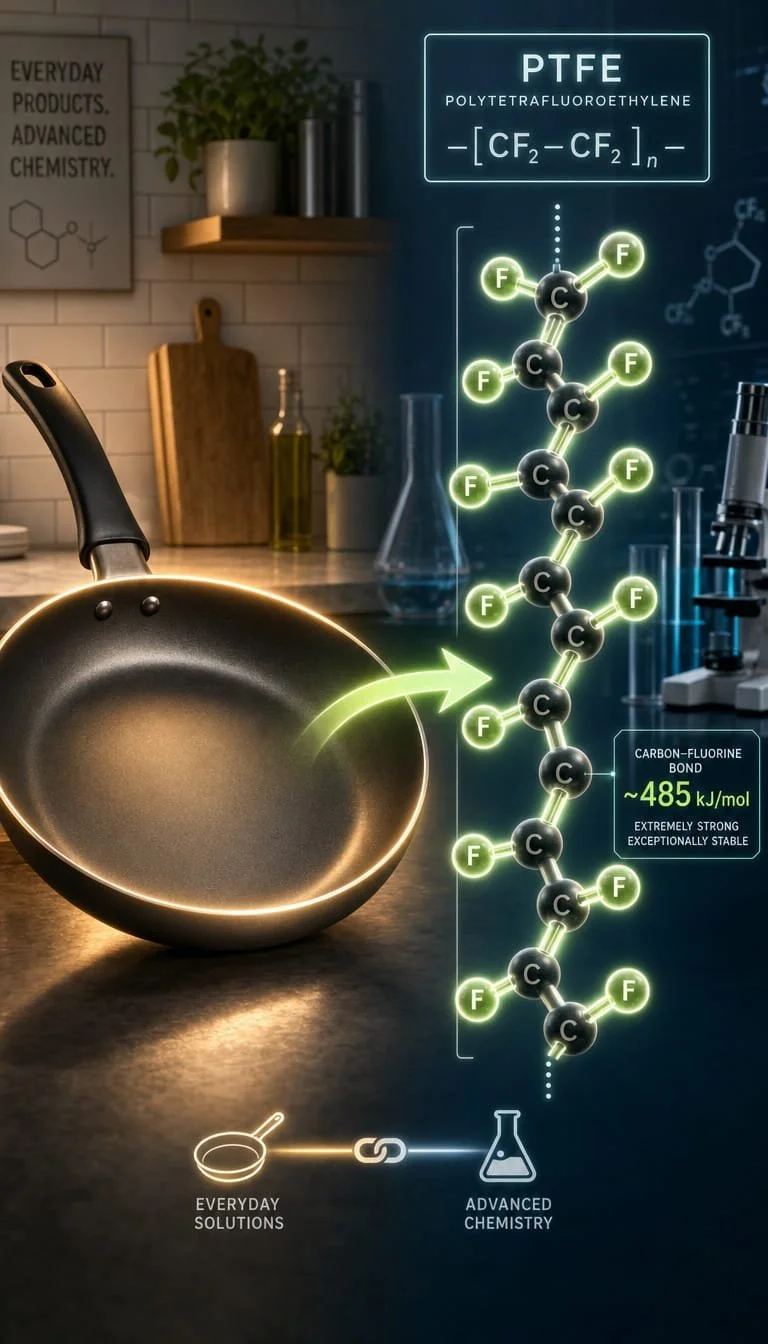
Teflon (PTFE) – The Non-Stick Revolution and Its End-of-Life Challenge
When we think of a "forever chemical," we often picture something insidious and invisible. But Polytetrafluoroethylene (PTFE), most famously known as Teflon, is a tangible example of a fluoropolymer that has been a part of our daily lives for decades. Discovered by accident, PTFE's unique properties—its extremely low friction coefficient, exceptional chemical inertness, and high heat resistance—made it a revolutionary material. It is a polymer of repeating tetrafluoroethylene units, forming a highly durable, non-stick, and waterproof surface. This innovation transformed industries, from the simple convenience of non-stick cookware to critical applications in aerospace, medical devices, and industrial machinery where a low-friction, non-reactive surface is essential.
PFAS – The Chemical Class That Demands a Universal Solution
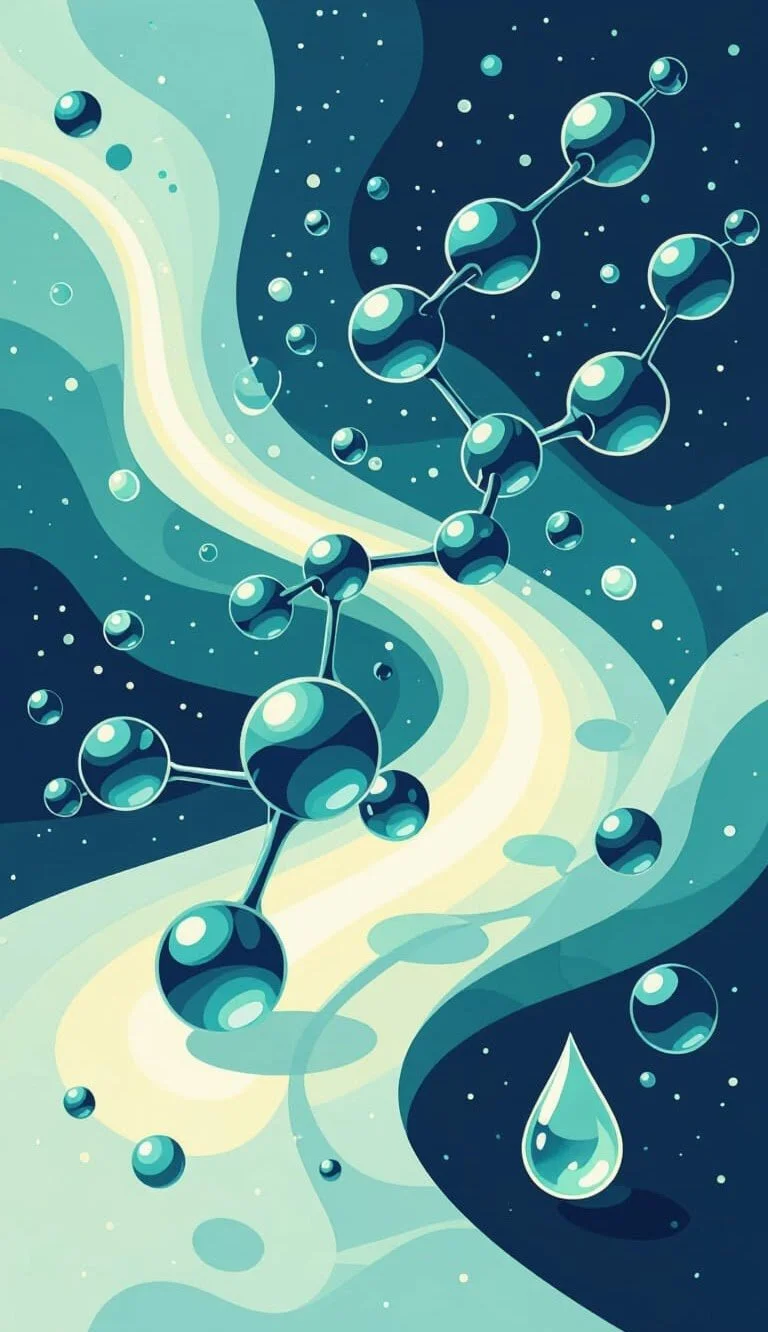
When we think of "forever chemicals," we often picture a specific compound, like PFOA in non-stick pans or PFOS in firefighting foam. However, these are just two members of a massive family of over 12,000 synthetic chemicals known as PFAS. These compounds share a common backbone of a carbon-fluorine (C-F) bond, which is one of the strongest in organic chemistry. This bond provides exceptional thermal stability and resistance to water and oil, making PFAS invaluable for a wide array of applications, from medical devices and semiconductors to food packaging and textiles. Their ubiquity and utility are staggering, but their shared chemical strength also makes them incredibly persistent in the environment.
Graphene – The One-Atom-Thick Revolution
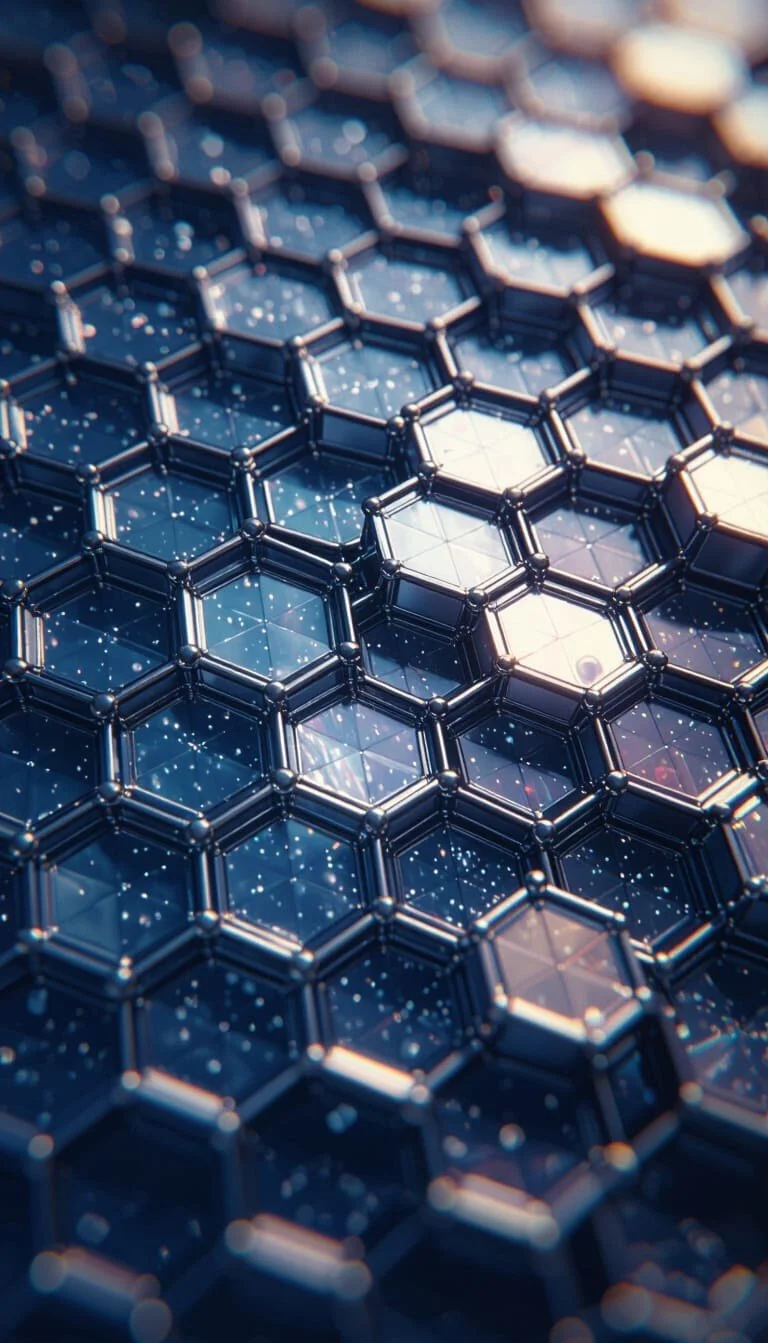
The discovery of graphene, a single atomic layer of carbon atoms arranged in a hexagonal lattice, sparked a revolution in materials science. It is the thinnest material known to mankind, yet its two-dimensional structure gives it a combination of properties previously thought to be impossible. It is exceptionally strong, incredibly lightweight, remarkably flexible, and a superb conductor of both electricity and heat. Graphene's unique electronic properties allow electrons to move through it at near-light speed, making it a game-changer for next-generation electronics, faster computing, and highly efficient energy storage. Its simplicity and elegance have made it the subject of intense research, with applications poised to transform industries from aerospace to medicine.