

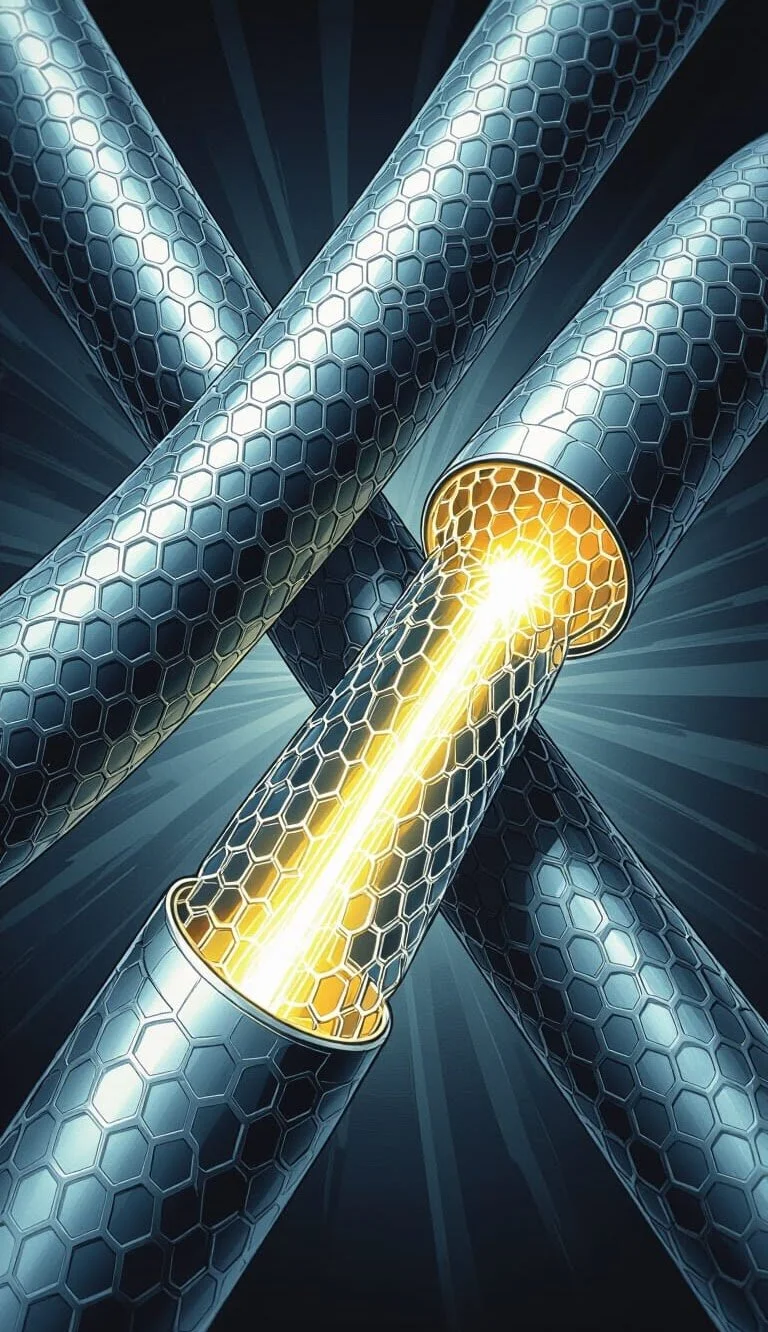
Carbon Nanotubes (CNTs) – The Cylinders of Tomorrow
Carbon Nanotubes (CNTs) are a revolutionary class of advanced materials formed by rolling up a single layer of graphene (a one-atom-thick sheet of carbon) into a seamless cylinder. These cylindrical nanostructures possess a combination of properties that make them truly unique: they are among the strongest and stiffest materials known, exhibit exceptional flexibility, and are superior electrical and thermal conductors. These qualities have placed CNTs at the center of development for a new generation of high-performance products, including advanced composite materials for aerospace and automotive industries, ultra-fast transistors in electronics, and highly sensitive biosensors for medicine.

Perfluorooctyl Sulfonyl Fluoride (POSF) – The Root of the PFOS Legacy
To understand the global contamination crisis caused by PFOS, one must first understand its chemical ancestor: Perfluorooctyl Sulfonyl Fluoride (POSF). This compound, defined by its eight-carbon perfluorinated chain and a sulfonyl fluoride end group, was the primary building block for a vast range of industrial and consumer products manufactured for decades. POSF was the starting material used in electroplating, fabric protection, and coatings, becoming the chemical lynchpin for creating the ultimate repellents and surfactants. Its widespread historical use ensured that its chemical footprint was massive and pervasive long before the environmental consequences of the resulting products were fully understood.
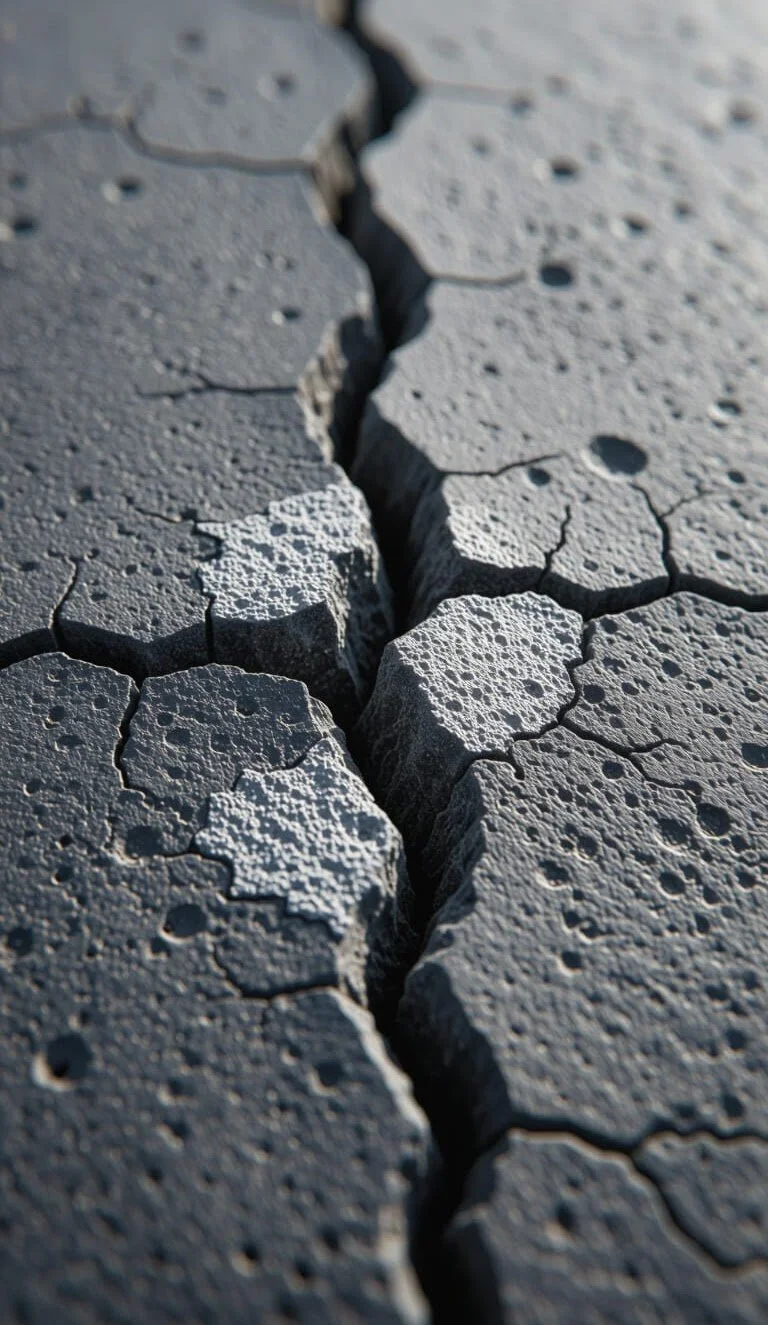
Self-Healing Concrete – The Future of Durable and Sustainable Infrastructure
As the foundation of our modern world, concrete is indispensable. Its durability, however, is compromised by inevitable cracking caused by environmental stress, traffic loads, and temperature fluctuations. These micro-cracks allow water, oxygen, and corrosive agents to penetrate, leading to the decay of internal steel reinforcement and, eventually, structural failure. Self-healing concrete offers an ingenious solution: a material engineered to autonomously repair its own damage. This is often achieved through bio-mineralization, where specialized, dormant bacteria, embedded within the concrete, activate upon contact with water and oxygen in a new crack, producing calcium carbonate (limestone) to seal the flaw. This process arrests deterioration, extends the life of the structure, and prevents costly repairs.