

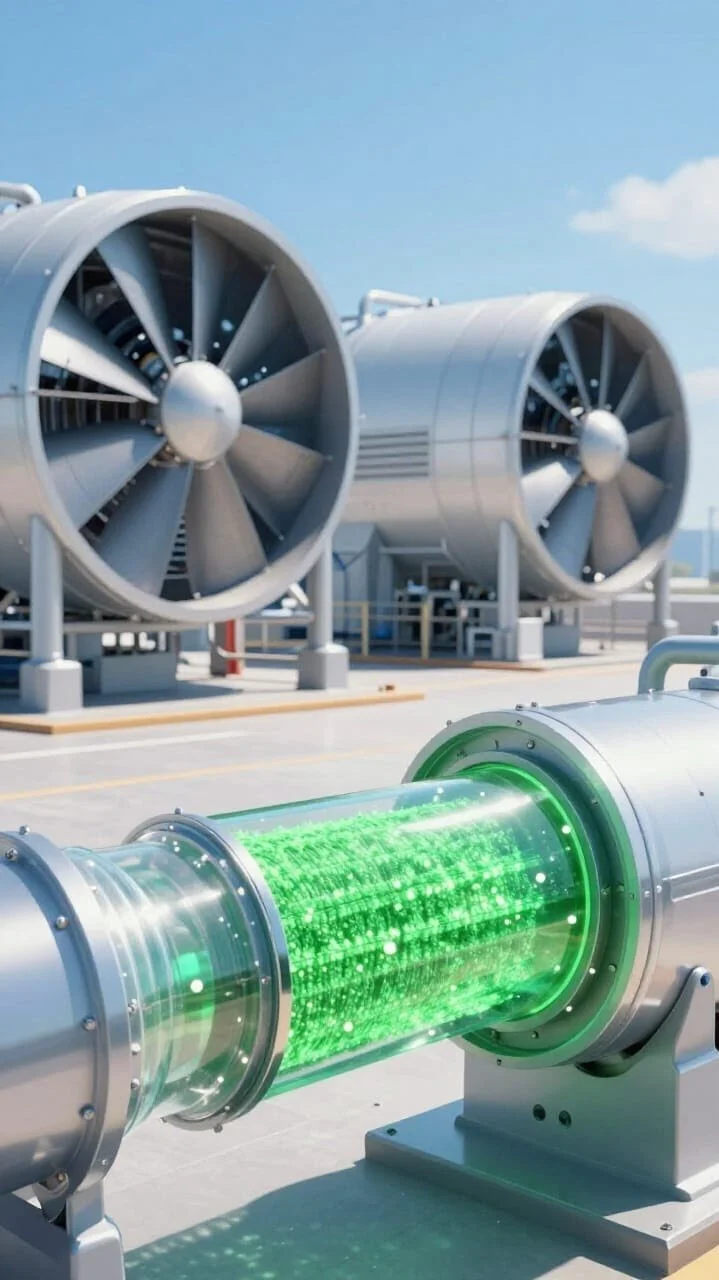
DAC Sorbents – The Chemical Magnets Reversing Emissions
As we move deeper into 2026, the technology behind Direct Air Capture (DAC) has moved from the fringes of science to a cornerstone of global climate policy. At the heart of this technology are sorbents—specialized materials designed to capture carbon dioxide (CO2) directly from the ambient air, where it exists at a concentration of roughly 420 parts per million. Unlike flue-gas capture at power plants, DAC must be incredibly selective and efficient to grab these relatively sparse molecules.

2026 – The Year of Destructive Remediation
For decades, the standard response to environmental contamination was "dilution is the solution to pollution," followed by the "pump and treat" era where chemicals were simply moved from water onto carbon filters. As of January 2026, those days are officially over. The scientific and regulatory community has reached a tipping point: we must destroy the molecules, or they will continue to cycle through our biosphere forever.
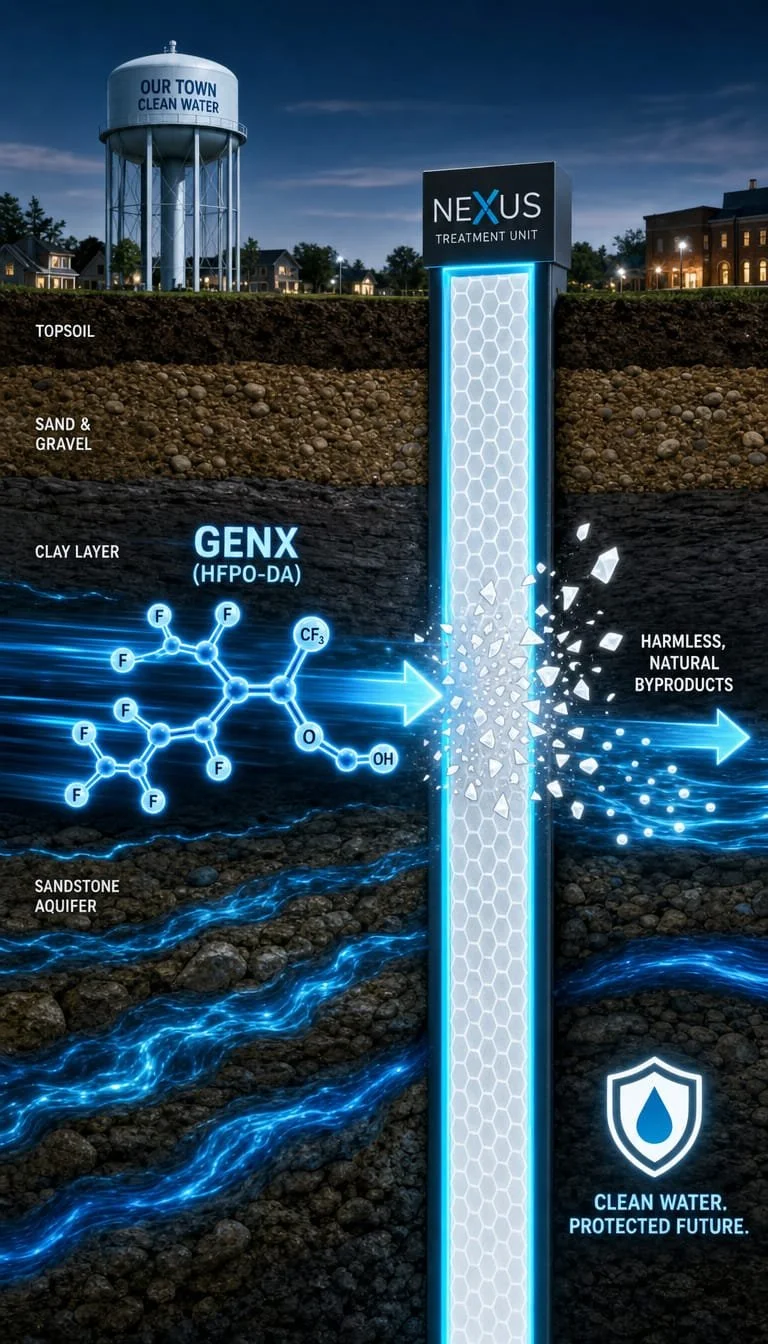
GenX – The Legacy of Regrettable Substitutions
For years, the chemical industry signaled a shift toward safety by phasing out long-chain PFAS like PFOA. In their place came GenX, a trade name for the processing aid HFPO-DA. While GenX was marketed as a more environmentally friendly option because it was thought to be eliminated from the human body more quickly, its fundamental chemistry tells a different story. Like its predecessors, GenX is built on a backbone of carbon-fluorine bonds—the strongest bonds in organic chemistry—making it a "forever chemical" that resists natural breakdown in the environment.