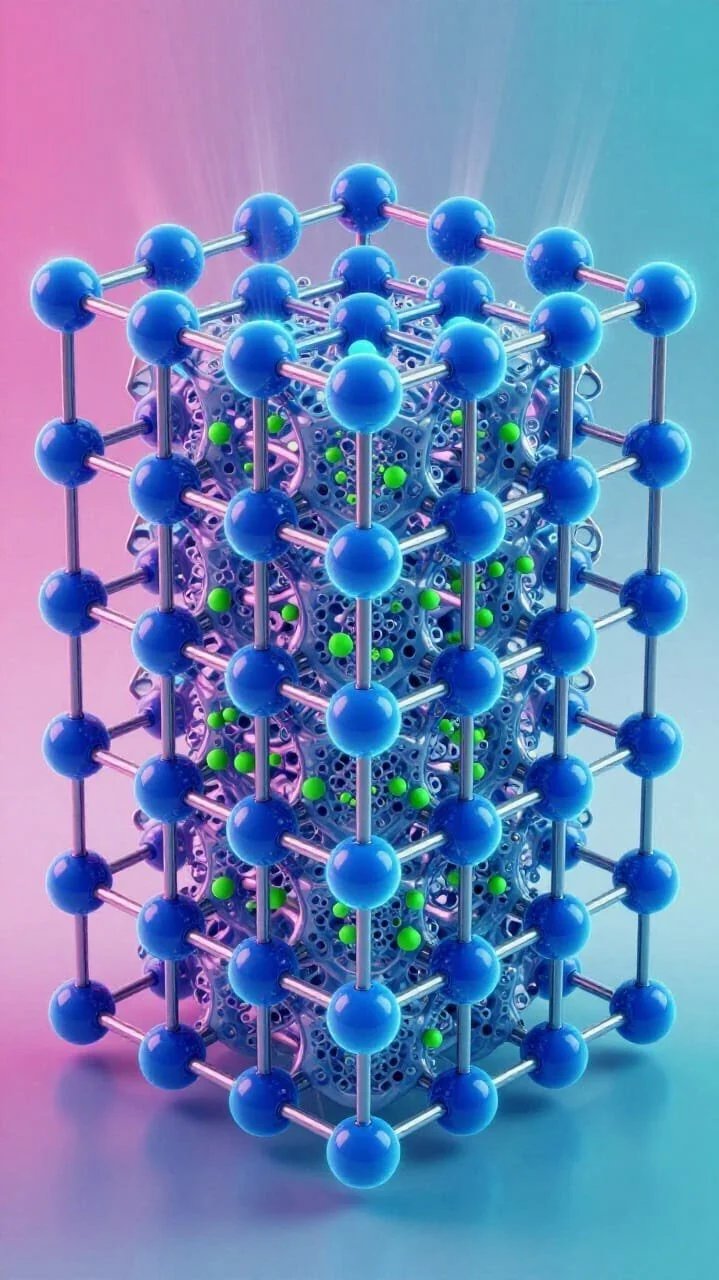
Metal-Organic Frameworks – Building a Better Filter
Metal-Organic Frameworks (MOFs) represent the pinnacle of "reticular chemistry"—the art of linking molecular building blocks into predetermined, rigid structures. By combining metal nodes with organic "struts," scientists can create 3D lattices with internal voids that are perfectly uniform in size. This allows MOFs to act as highly selective molecular sieves. Unlike traditional filters that work primarily through physical trapping, MOFs can be chemically functionalized to "grab" specific pollutants, making them incredibly effective for capturing greenhouse gases, harvesting water from desert air, or removing trace contaminants from industrial waste streams.
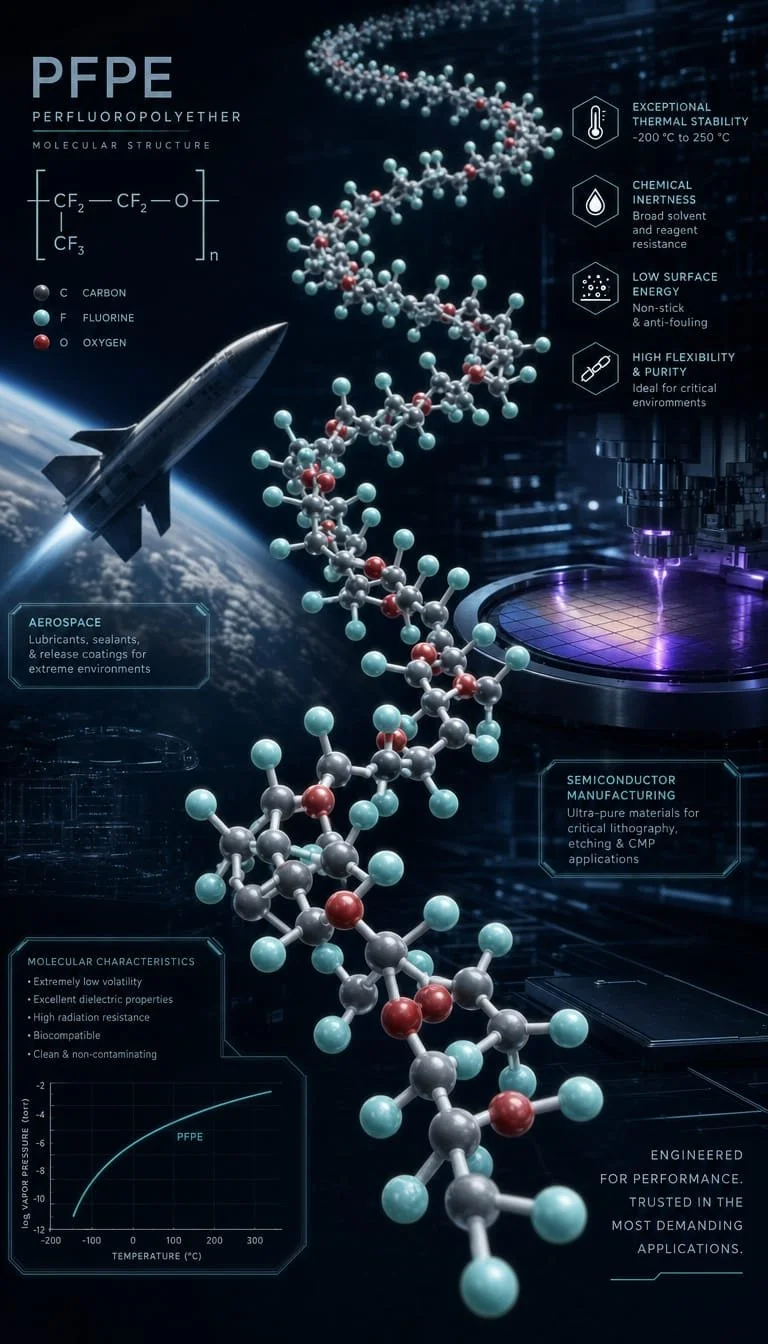
Perfluoropolyethers (PFPEs) – The Ultimate Lubricant and the Catalytic Solution
Perfluoropolyethers (PFPEs) are a complex class of high-molecular-weight fluorinated polymers characterized by chains containing carbon, fluorine, and oxygen atoms linked by ether bonds (-CF2O-). For over three decades, PFPEs have been the gold standard in high-performance applications where conventional lubricants fail. Their chemical inertness, high dielectric strength, resistance to radiation, and exceptional thermal stability make them indispensable for extreme environments, including thin-film lubrication on computer hard drives, vacuum pump oils in semiconductor and pharmaceutical manufacturing, and fluid media in critical aerospace and military systems. Their structure can vary (K-type, Z-type, Y-type), but their performance is uniformly superior.
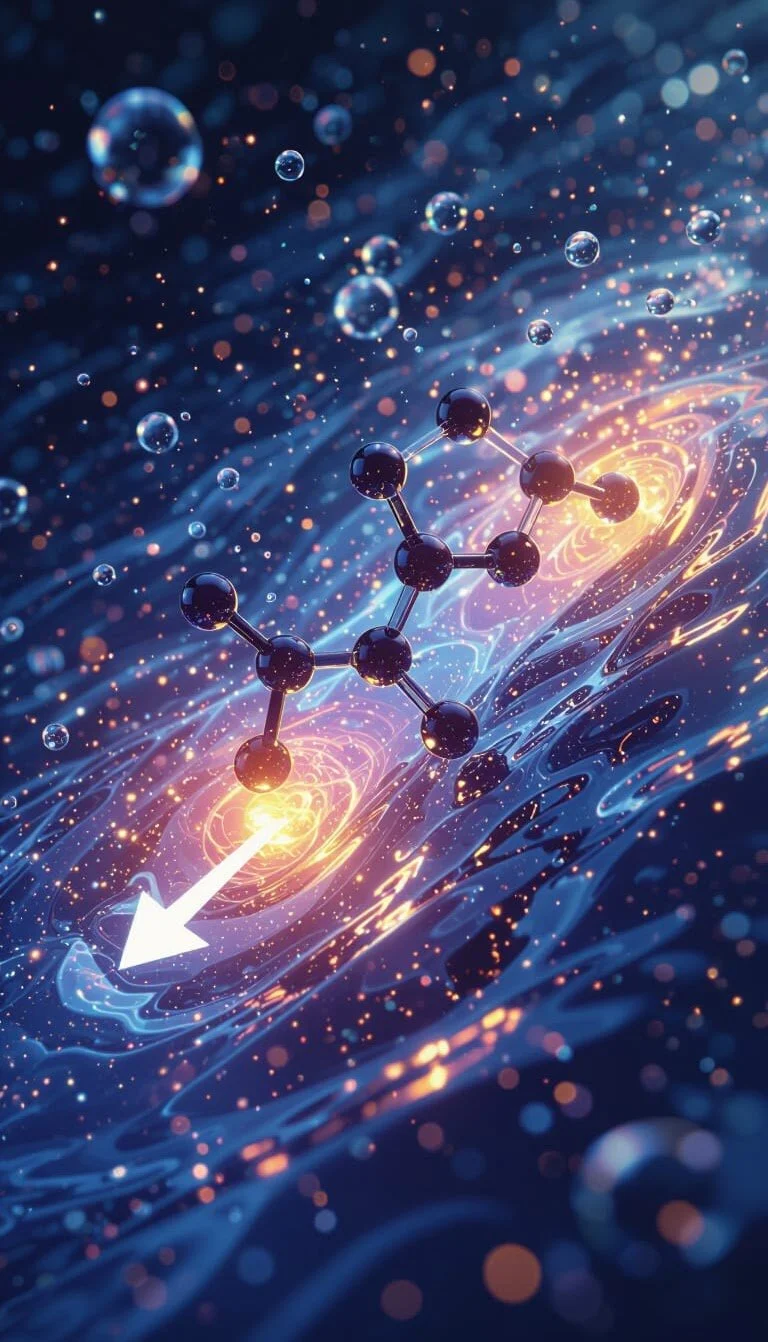
Perfluorobutane Sulfonamide (PBSA) – The Shorter-Chain Precursor Challenge
The chemical industry has historically sought to replace long-chain "forever chemicals" with shorter-chain alternatives, aiming for reduced bioaccumulation. Perfluorobutane Sulfonamide (PBSA) is one such compound. Defined by its four-carbon perfluorinated chain and a sulfonamide end group, PBSA is used as a foundational precursor in the manufacture of various fluorinated materials and polymers. It provides essential high-performance properties for industrial processing and product efficacy, often serving as a replacement for longer-chain compounds like PFOSA.
Synthetic Spider Silk – Nature's Super Material, Engineered for Sustainability
Natural spider silk has fascinated scientists for decades. It is arguably the most remarkable fiber on the planet, possessing a combination of lightness, strength, and elasticity that far exceeds most synthetic materials. However, farming spiders is impractical. Synthetic Spider Silk solves this by leveraging biotechnology. Researchers use genetically modified organisms (like E. coli bacteria or yeast) as mini-factories to produce the silk proteins. These proteins are then purified and spun into fibers that rival the properties of natural silk, offering a material that is both a high-performance breakthrough and a model of sustainability.
Perfluorodecanoic Acid (PFDA) – The Bioaccumulative Threat of C10
Perfluorodecanoic Acid (PFDA) is a significant member of the PFAS family, notable for its long carbon chain (C10) terminating in a carboxylic acid group. Its unique chemical structure provides exceptional resistance to heat, oil, and water, cementing its use as a fluorosurfactant in specialized applications such as stain and greaseproof coatings for carpets, furniture, and paper-based food containers. PFDA's high performance and chemical inertness made it a desirable compound in high-end industrial and consumer products for decades. However, its long carbon chain ensures that its legacy is far more complicated than its utility suggests.
Self-Healing Electronic Circuits – A Solution for the E-Waste Crisis
The rapid obsolescence of electronic devices contributes to a massive global waste problem. Once a small circuit cracks or a component fails, the entire device often becomes e-waste. Self-Healing Electronic Circuits offer a revolutionary solution by imbuing electronic materials with the ability to autonomously repair physical damage. This technology typically involves embedding microcapsules of a liquid conductor within a polymer matrix. When a crack severs a circuit line, the capsules break open, releasing the liquid to fill the gap and restore the electrical conductivity. This ingenious mechanism is poised to extend the life of everything from flexible wearables and medical implants to powerful microprocessors.
Airborne PFAS – The Global Transport of "Forever Chemicals"
The global distribution of Per- and Polyfluoroalkyl Substances (PFAS) is one of the most sobering examples of chemical persistence. While much public focus is rightly placed on contaminated drinking water and soil, a significant pathway for PFAS contamination is the atmosphere. Certain PFAS compounds, particularly volatile precursors like Fluorotelomer Alcohols (FTOHs) and shorter-chain molecules, can evaporate or be released as fine aerosol particles from sources like industrial emissions, landfills, and even the off-gassing of consumer products. Once airborne, these compounds can be transported across continents, depositing in remote, otherwise pristine environments through rain and dry deposition.
Quantum Dots (QDs) – The Nanocrystals Revolutionizing Light and Energy
Quantum Dots (QDs) represent a true leap in materials science, existing at the fascinating intersection of chemistry and physics. These tiny semiconductor crystals, typically only a few nanometers in size, are unique because their color of light emission is determined by their physical size. A larger dot might emit red light, while a slightly smaller one, made of the exact same material, emits green light. This size-tunable property allows for unprecedented control over color and light, making them indispensable in today's high-end QLED displays for their exceptional color vibrancy and efficiency. Beyond displays, QDs are accelerating the development of next-generation solar cells, increasing their ability to absorb light across a wider spectrum, and are even being used as high-contrast fluorescent markers in biomedical imaging.
PFOS in Textiles – The Consumer Exposure Challenge
The story of Perfluorooctane Sulfonate (PFOS) is often told through its life-saving role in firefighting foam, but its environmental and health impact is just as significant in the textile industry. For decades, PFOS-derived compounds were a staple in fabric treatment, providing unparalleled performance in making consumer products stain- and water-repellent. From rain jackets and tents to upholstery and children's school bags, PFOS offered a powerful layer of protection. This widespread application meant that billions of products, from everyday items to specialized gear, became reservoirs for this persistent chemical.
Carbon Nanotubes (CNTs) – The Cylinders of Tomorrow
Carbon Nanotubes (CNTs) are a revolutionary class of advanced materials formed by rolling up a single layer of graphene (a one-atom-thick sheet of carbon) into a seamless cylinder. These cylindrical nanostructures possess a combination of properties that make them truly unique: they are among the strongest and stiffest materials known, exhibit exceptional flexibility, and are superior electrical and thermal conductors. These qualities have placed CNTs at the center of development for a new generation of high-performance products, including advanced composite materials for aerospace and automotive industries, ultra-fast transistors in electronics, and highly sensitive biosensors for medicine.
Perfluorooctyl Sulfonyl Fluoride (POSF) – The Root of the PFOS Legacy
To understand the global contamination crisis caused by PFOS, one must first understand its chemical ancestor: Perfluorooctyl Sulfonyl Fluoride (POSF). This compound, defined by its eight-carbon perfluorinated chain and a sulfonyl fluoride end group, was the primary building block for a vast range of industrial and consumer products manufactured for decades. POSF was the starting material used in electroplating, fabric protection, and coatings, becoming the chemical lynchpin for creating the ultimate repellents and surfactants. Its widespread historical use ensured that its chemical footprint was massive and pervasive long before the environmental consequences of the resulting products were fully understood.
Self-Healing Concrete – The Future of Durable and Sustainable Infrastructure
As the foundation of our modern world, concrete is indispensable. Its durability, however, is compromised by inevitable cracking caused by environmental stress, traffic loads, and temperature fluctuations. These micro-cracks allow water, oxygen, and corrosive agents to penetrate, leading to the decay of internal steel reinforcement and, eventually, structural failure. Self-healing concrete offers an ingenious solution: a material engineered to autonomously repair its own damage. This is often achieved through bio-mineralization, where specialized, dormant bacteria, embedded within the concrete, activate upon contact with water and oxygen in a new crack, producing calcium carbonate (limestone) to seal the flaw. This process arrests deterioration, extends the life of the structure, and prevents costly repairs.
Teflon (PTFE) – The Non-Stick Revolution and Its End-of-Life Challenge
When we think of a "forever chemical," we often picture something insidious and invisible. But Polytetrafluoroethylene (PTFE), most famously known as Teflon, is a tangible example of a fluoropolymer that has been a part of our daily lives for decades. Discovered by accident, PTFE's unique properties—its extremely low friction coefficient, exceptional chemical inertness, and high heat resistance—made it a revolutionary material. It is a polymer of repeating tetrafluoroethylene units, forming a highly durable, non-stick, and waterproof surface. This innovation transformed industries, from the simple convenience of non-stick cookware to critical applications in aerospace, medical devices, and industrial machinery where a low-friction, non-reactive surface is essential.
PFAS – The Chemical Class That Demands a Universal Solution
When we think of "forever chemicals," we often picture a specific compound, like PFOA in non-stick pans or PFOS in firefighting foam. However, these are just two members of a massive family of over 12,000 synthetic chemicals known as PFAS. These compounds share a common backbone of a carbon-fluorine (C-F) bond, which is one of the strongest in organic chemistry. This bond provides exceptional thermal stability and resistance to water and oil, making PFAS invaluable for a wide array of applications, from medical devices and semiconductors to food packaging and textiles. Their ubiquity and utility are staggering, but their shared chemical strength also makes them incredibly persistent in the environment.
Graphene – The One-Atom-Thick Revolution
The discovery of graphene, a single atomic layer of carbon atoms arranged in a hexagonal lattice, sparked a revolution in materials science. It is the thinnest material known to mankind, yet its two-dimensional structure gives it a combination of properties previously thought to be impossible. It is exceptionally strong, incredibly lightweight, remarkably flexible, and a superb conductor of both electricity and heat. Graphene's unique electronic properties allow electrons to move through it at near-light speed, making it a game-changer for next-generation electronics, faster computing, and highly efficient energy storage. Its simplicity and elegance have made it the subject of intense research, with applications poised to transform industries from aerospace to medicine.
Smart Fabrics – Weaving the Future, One Thread at a Time
For centuries, fabrics have been woven to provide warmth, comfort, and protection. Today, a revolution is underway as textiles are being infused with advanced functionalities to create smart fabrics. These are not simply garments with attached gadgets; they are materials with embedded sensors, conductive pathways, and interactive properties woven directly into the fibers. This new class of materials can sense and respond to stimuli from the environment or the wearer. Applications are incredibly diverse, from shirts that track heart rate and respiration for athletes and patients, to uniforms that change color or communicate for safety in industrial settings, and even to interactive textiles for consumer electronics and gaming. This seamless integration of technology into the very fibers we wear promises to enhance our lives in ways once thought impossible.
PFOS in Firefighting Foam – The Legacy of a "Forever Chemical"
For decades, Perfluorooctane Sulfonate (PFOS) was a key ingredient in aqueous film-forming foams (AFFF), a class of firefighting agents used to extinguish high-energy liquid fuel fires. The incredible effectiveness of these foams stemmed from their ability to spread rapidly and form a vapor-sealing film over a fire, suffocating the flames. This life-saving technology was widely adopted by militaries, airports, and industrial facilities. The remarkable performance of AFFF, largely attributed to the low surface tension provided by the PFOS, made it the go-to solution for critical fire suppression, saving countless lives and protecting vital infrastructure from devastating blazes.
Self-Assembling Nanomaterials – Building for the Future, One Molecule at a Time
For centuries, manufacturing has been a "top-down" process, shaping and cutting materials into desired forms. Self-assembling nanomaterials represent a revolutionary shift to a "bottom-up" approach. These are tiny molecular components designed with specific properties that allow them to spontaneously organize into larger, complex, and highly ordered structures. This phenomenon, inspired by biological systems like DNA and proteins, enables scientists to program materials at the molecular level, creating intricate patterns and functional devices without external manipulation. The precision offered by this approach is unparalleled, promising to revolutionize fields such as medicine (for smart drug delivery and tissue engineering), electronics (for next-generation circuits), and advanced optics (for new types of lenses and sensors).
PFOSA – The Precursor that Fueled the "Forever Chemical" Challenge
For decades, Perfluorooctane Sulfonamide (PFOSA) was a workhorse of industrial chemistry, valued for its ability to impart exceptional water and oil repellency. It served as a critical precursor for creating fluorinated polymers and surfactants used in a surprising variety of consumer and industrial applications. PFOSA was used to treat carpets and textiles, making them stain-resistant, and was also a key ingredient in some of the most effective insecticides of its time. This powerful functionality made it a cornerstone of high-performance product design, providing consumers with durable, easy-to-clean items and industries with reliable chemical solutions.
Aerogels – Capturing the Void for Extreme Performance
Imagine holding a material so light it barely registers on a scale, yet it possesses a rigid structure capable of supporting thousands of times its own weight. This is the paradoxical reality of aerogels. Often dubbed "frozen smoke" or "solid air," aerogels are a class of synthetic porous materials derived from a gel in which the liquid component has been replaced by gas. This process results in an ultralight, highly porous solid with a remarkable cellular structure composed almost entirely of air (up to 99.8% air by volume). Their unique nanostructure grants them an unparalleled combination of properties: they are the world's best solid thermal insulators, exhibit extremely low density, and possess exceptional sound dampening and mechanical strength. This makes them invaluable in diverse applications, from high-performance insulation for extreme environments (like aerospace and deep-sea exploration) to advanced filtration systems and even as catalysts.

