

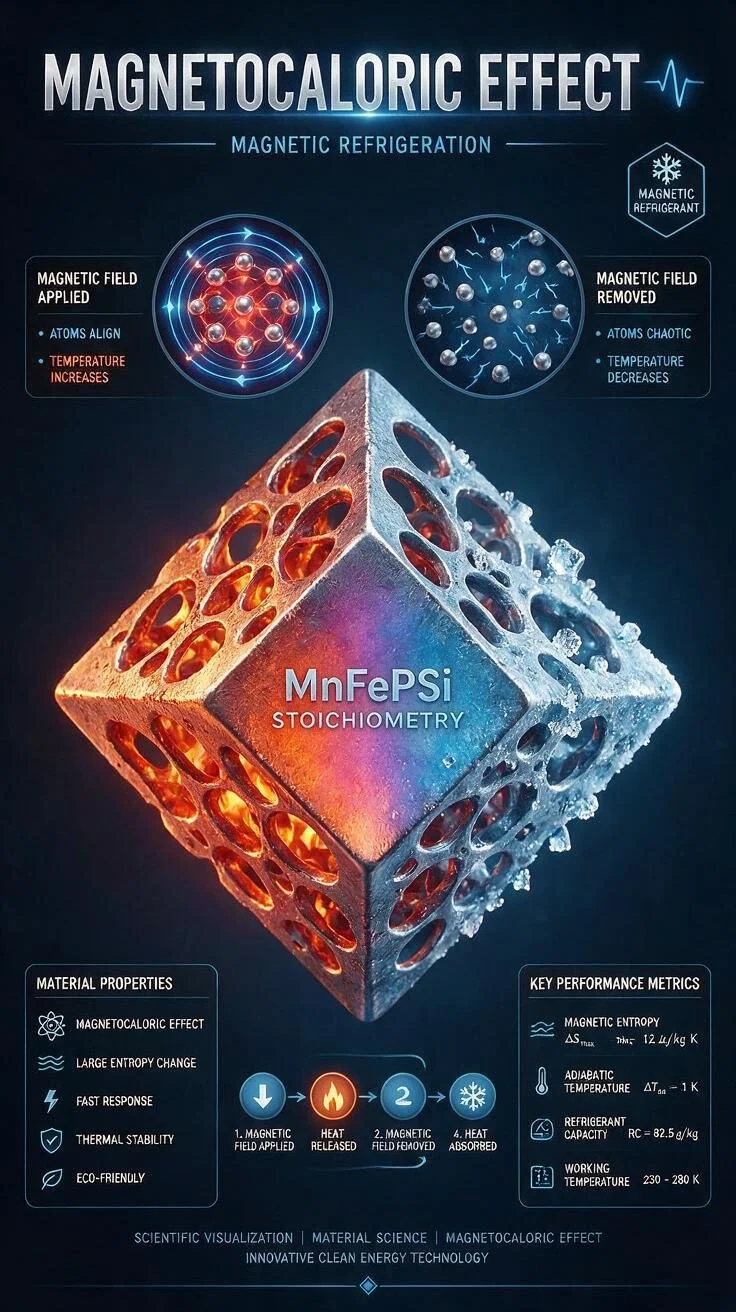
Solid-State Frost – The Physics of Magnetocaloric Alloys
The concept of the vapor-compression refrigerator is outdated. It relies on toxic gases, loud mechanical compressors, and highly pressurized pipes that are prone to leaking. To truly modernize thermal management, we need a solution built directly into the atomic structure of a solid metal.
Enter the Magnetocaloric Effect (MCE).
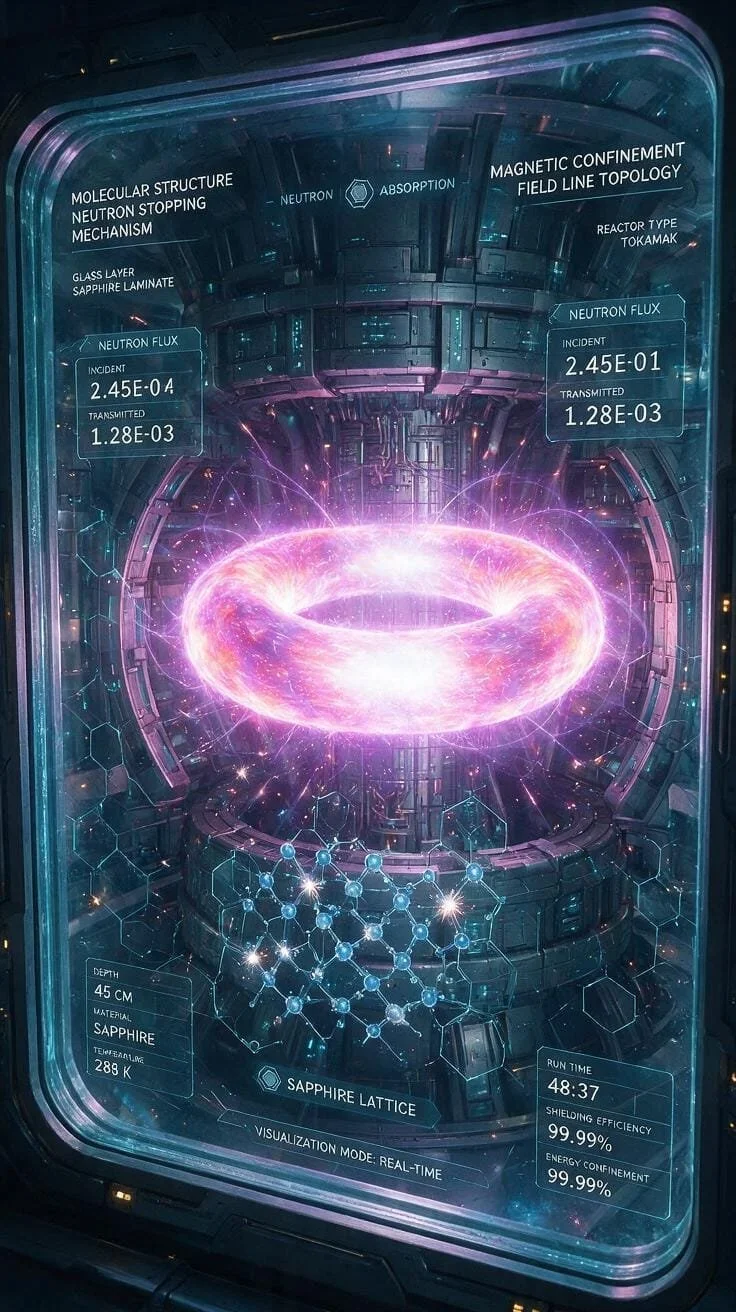
Taming the Star – The Chemistry of Borated Shielding
As commercial fusion creeps closer to grid viability in late 2026, the focus has shifted from the plasma physics to the materials science of the reactor vessel. How do you build a window to look at a star? How do you shield the delicate superconducting magnets from neutron bombardment?
Standard leaded glass, historically used in fission plants or X-ray rooms, is useless here. High-energy neutrons pass right through heavy metals like lead. The solution requires a specific, lighter element: Boron.
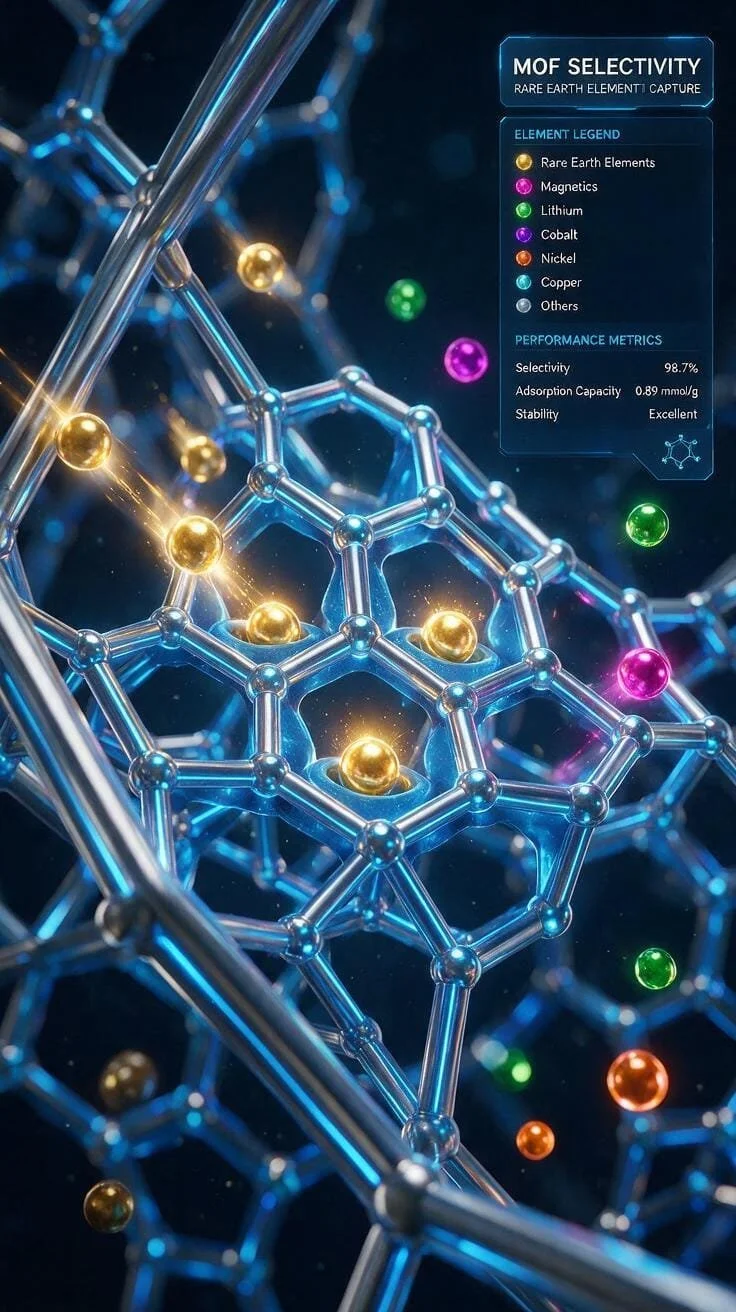
Chemical Tweezers – Mining the Megatons with MOFs
As we push the boundaries of technology—from the superconducting magnets in a fusion tokamak to the solid-state motors in our autonomous transit pods—our reliance on Rare Earth Elements (REEs) skyrockets.
The traditional mining of REEs is an ecological nightmare, involving the displacement of millions of tons of earth and the creation of radioactive, toxic waste lakes. Yet, ironically, millions of tons of these exact elements are currently sitting trapped in industrial slag heaps outside of steel and iron foundries around the world. The challenge has always been separation: how do you pull a single atom of Neodymium out of a sea of molten iron and silica?
In 2026, we have moved beyond brute-force acids. We are using Advanced Metal-Organic Frameworks (MOFs).