

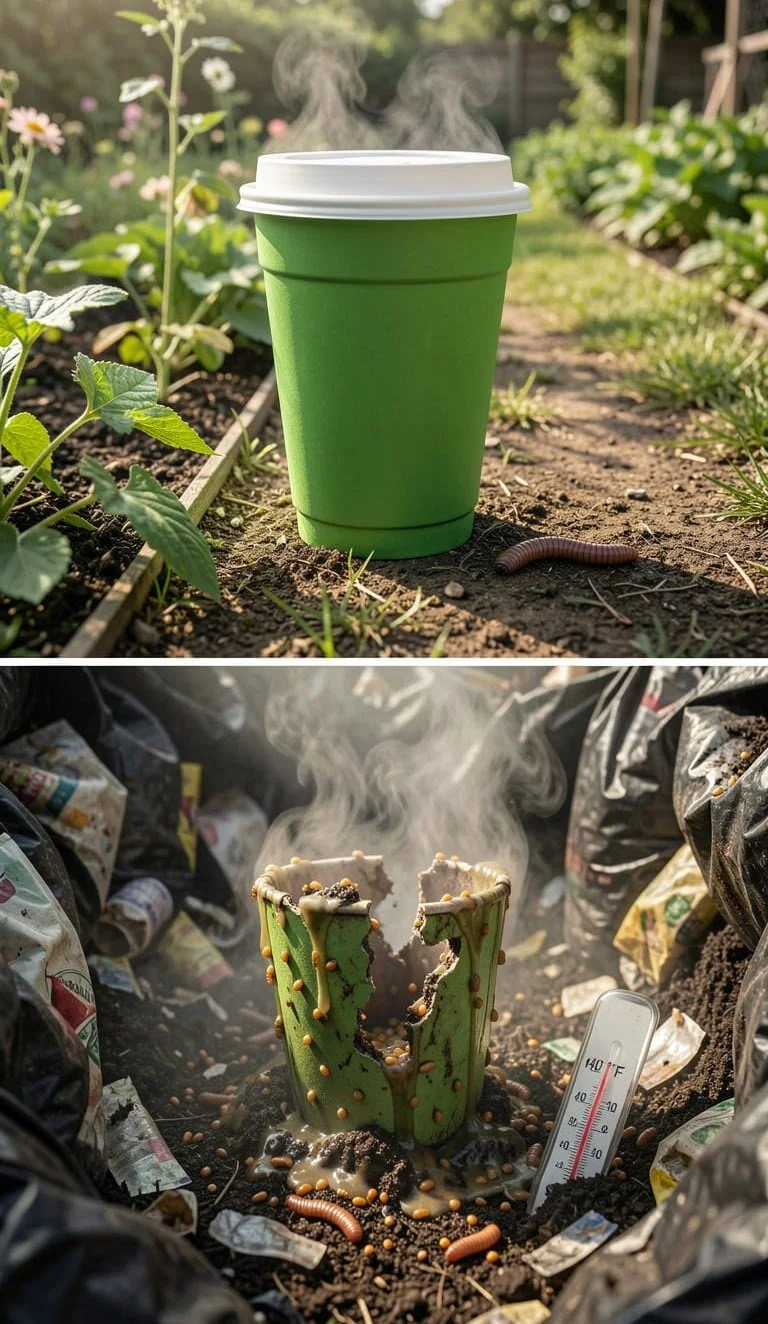
The "Bioplastic" Loophole: What Does Compostable Really Mean?
The Concept: You are at a coffee shop and you are handed an iced coffee in a clear cup that says "100% Compostable" or "Made from Plants" in bright green letters. It feels like a win. The natural assumption is that if this cup blows out of your car window or gets tossed into your backyard garden, it will harmlessly dissolve into dirt just like an apple core.
Unfortunately, this is one of the biggest misunderstandings in modern waste management. Dropping a "compostable" cup in a forest is still littering, and it might sit there for decades.
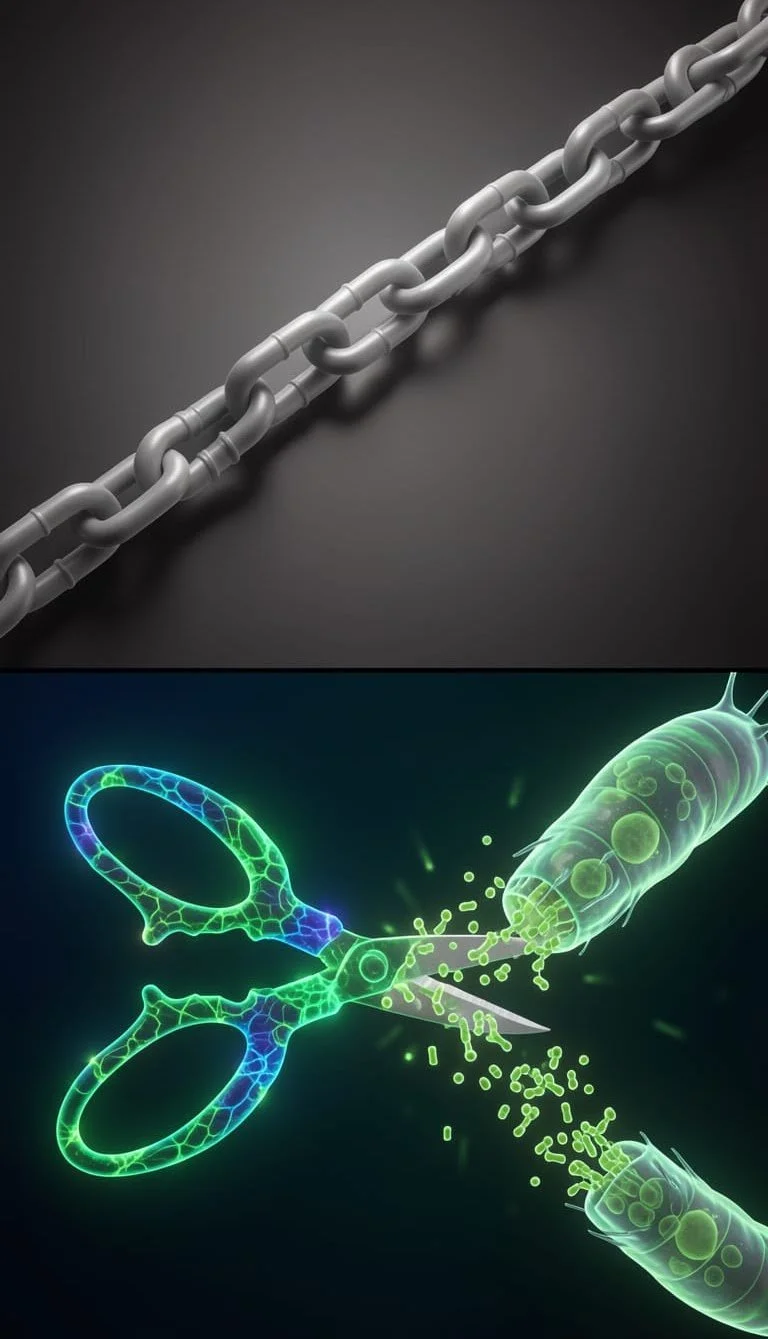
The Plastic Eaters: The Hunt for a Biological Eraser
The Concept: For decades, the environmental narrative around plastic has been a story of permanence. Because synthetic plastics like PET (polyethylene terephthalate—the clear stuff used for water bottles) were invented in a laboratory, nature had never seen them before. The assumption was that since microbes hadn't evolved alongside plastic, they had no biological tools to digest it. Every piece of plastic ever made, we thought, would exist forever.
But biology is infinitely adaptable. In 2016, a team of scientists sifting through the sludge outside a plastic bottle recycling facility in Sakai, Japan, discovered something impossible: a bacterium that was actively eating the plastic.
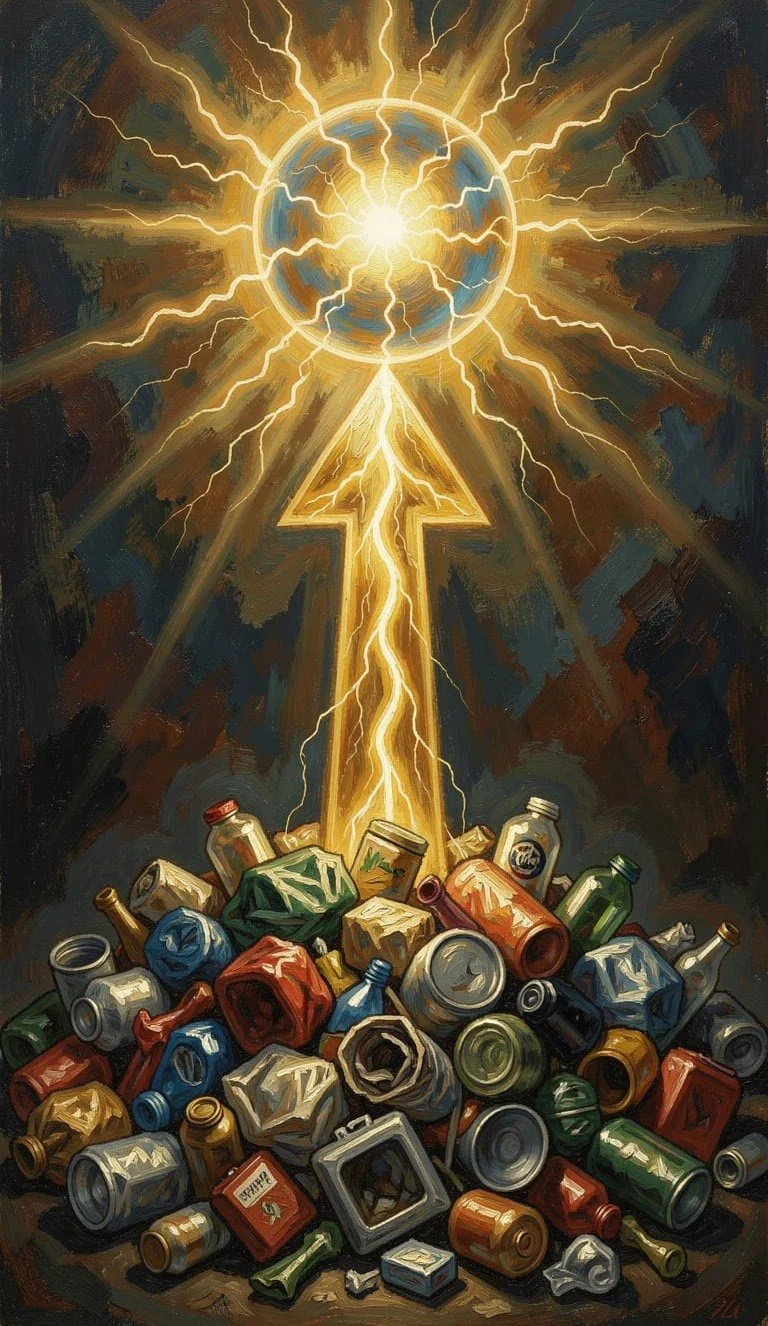
The Municipal Stomach: Turning City Waste into Power
The Concept: If a landfill is a vault, an Anaerobic Digester is a stomach. Instead of trying to stop the biological breakdown process, cities, wastewater treatment plants, and large farms are increasingly building massive, sealed tanks to encourage it. By perfectly controlling the environment, they can take thousands of tons of food scraps, agricultural waste, and organic sludge, and turn it into two incredibly valuable resources: nutrient-rich fertilizer and renewable electricity.