

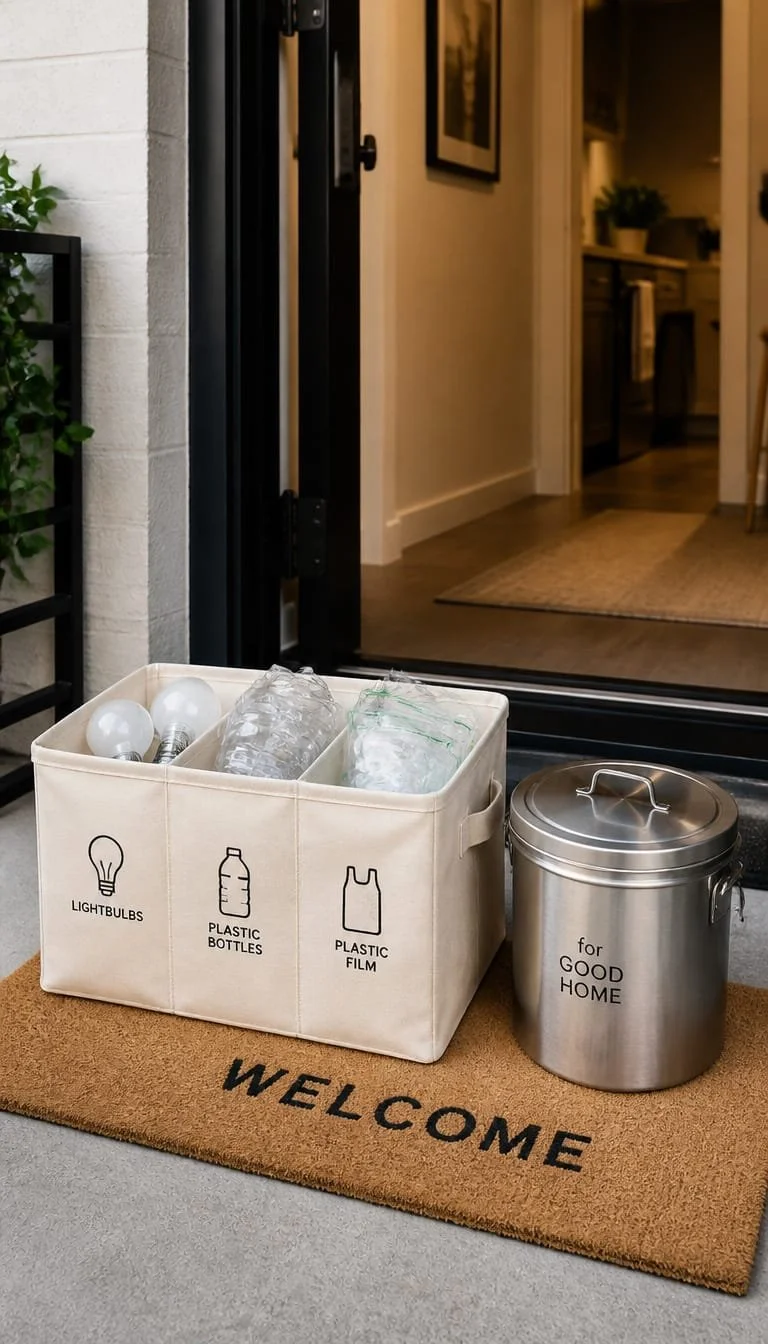
Bypassing the Dumpster – The 2026 Guide to Apartment Sustainability
Living in an apartment often feels like being at the very end of a one-way street. Goods come in, and waste goes into the municipal bin, never to be seen again. If you don't have the luxury of a backyard compost pile or a spacious garage for sorting recyclables, the system is designed to make you fail.
Fortunately, the market has responded. Several innovative organizations are building the "invisible infrastructure" we need, offering services that intercept waste at your front door before it ever reaches the landfill.
Photocatalytic Coatings – The End of the HEPA Fan
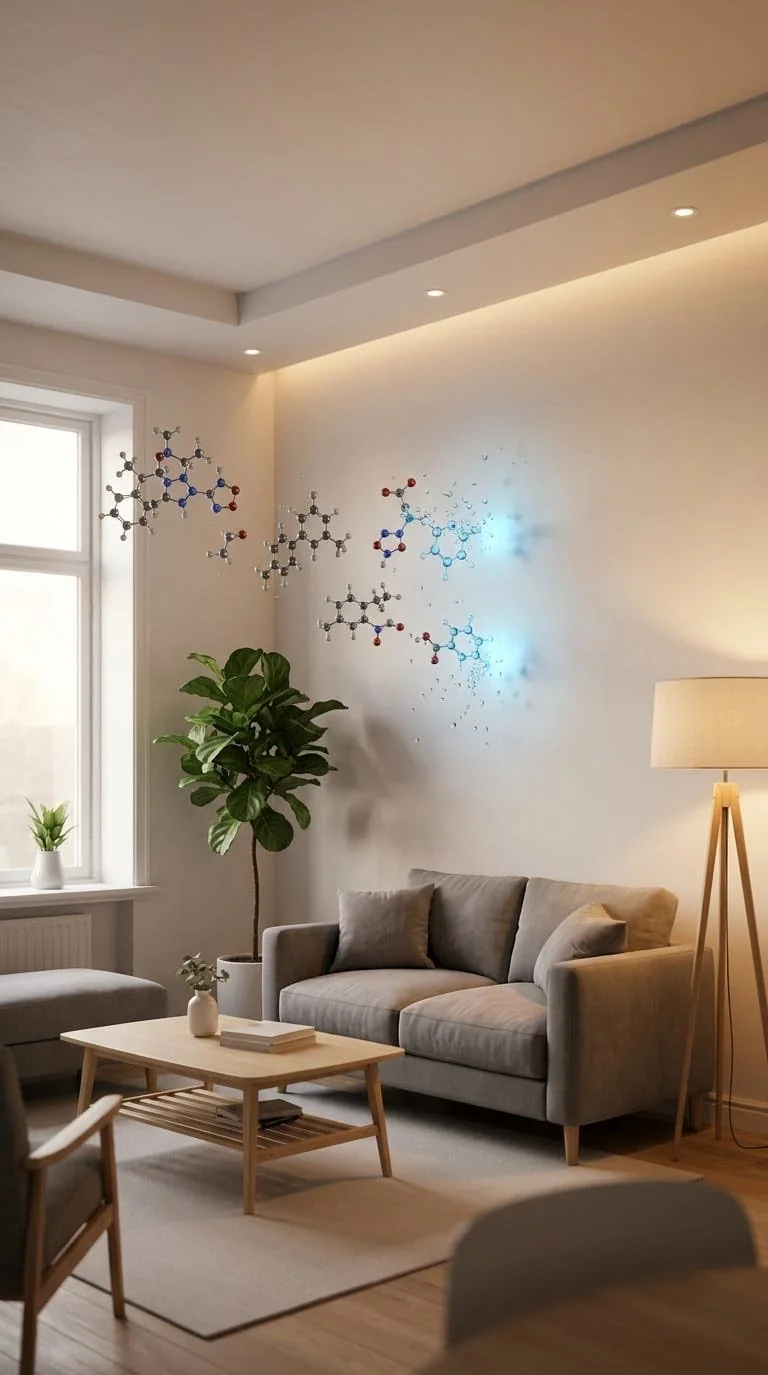
To eliminate the bulky air purifier from the apartment, we must make the surface area of the apartment work for us. Every wall, ceiling, and cabinet face is an opportunity for ambient chemistry.
The mechanism here is Photocatalysis. When certain semiconductor materials are exposed to light, they generate highly reactive electron-hole pairs. These react with ambient humidity to form hydroxyl radicals—nature's ultimate scrubbers. When a VOC molecule (like formaldehyde from a new bookshelf) drifts against the wall, these radicals instantly tear it apart, reducing the toxic gas into trace, harmless amounts of water vapor and carbon dioxide.
Cationic Biopolymers – Catching the Invisible Waste
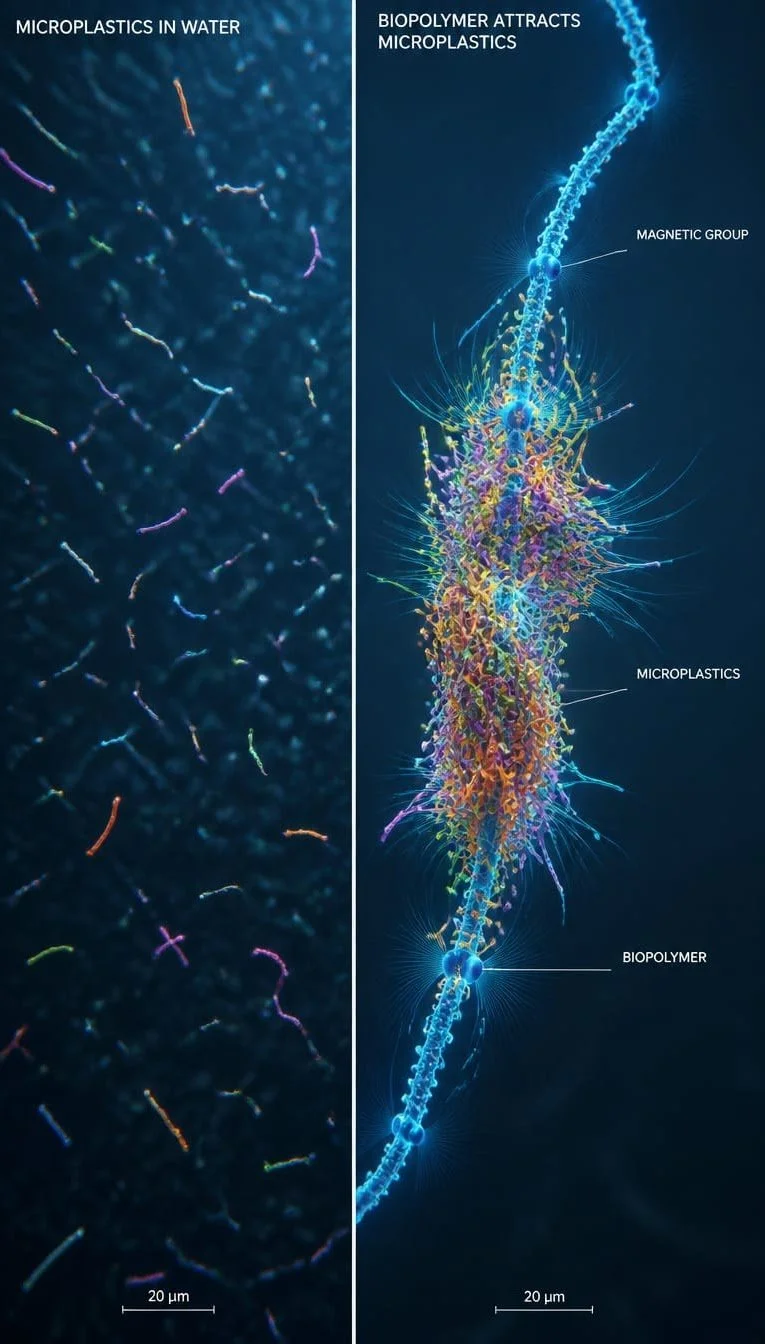
To intercept microplastics and chemical residues at the Point-of-Origin, we must exploit a fundamental law of physics: opposites attract. Most micro-contaminants suspended in domestic greywater carry a negative electrical charge. They repel each other, which is why they stay suspended in the water and easily slip through standard plumbing traps.
To catch them without a massive mechanical filter, we must introduce a Cationic Biopolymer—a long, chain-like molecule with a strong positive charge.